


What's Happening?
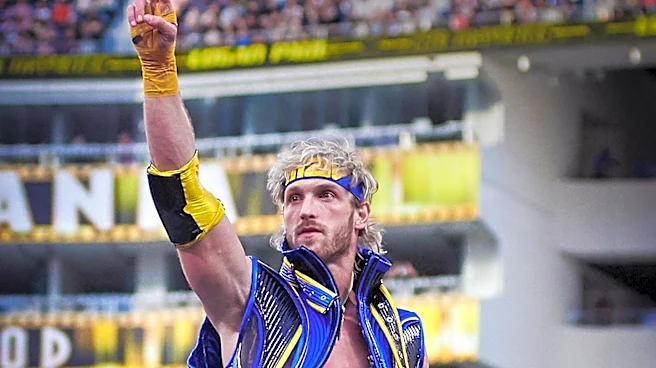
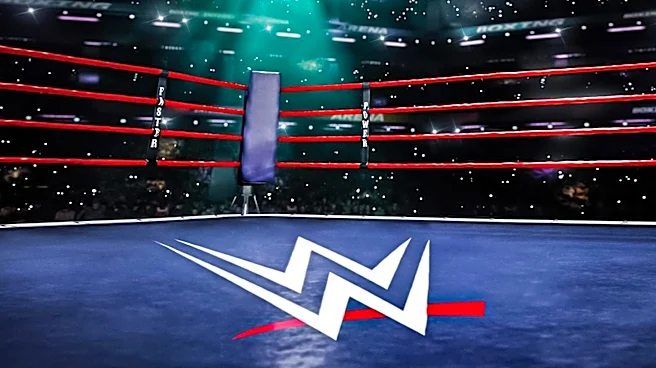
Logan Paul, a prominent WWE personality, has publicly stated that placing the PRIME logo in the center of the WWE ring was his 'greatest marketing move.' This sponsorship, announced in March 2024, marked the first time a brand logo was prominently displayed
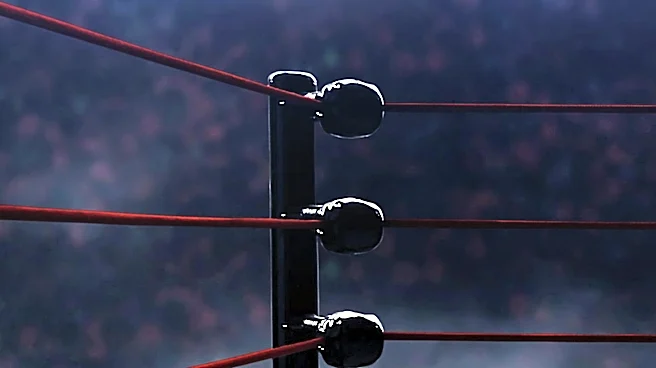
on the canvas at WWE Premium Live Events, starting with WrestleMania 40. Paul acknowledged that many long-time wrestling fans reacted negatively to the branding, but he believes this backlash inadvertently made the sponsorship more effective. He attributes this to his role as a 'heel' character in WWE, suggesting that fan disapproval aligns with his on-screen persona. Paul further commented that the negative reaction provided fans with more reasons to dislike him, which he views as beneficial for his character's development and marketability. The PRIME branding has remained a consistent feature at WWE events, despite Paul also noting that the logos can make the ring surface slippery, posing challenges for wrestlers.
Why It's Important?
This development is significant for the sports and business sectors, particularly in how modern marketing strategies intersect with established entertainment properties. WWE's partnership with PRIME, described as the largest sponsorship deal in the company's history, demonstrates a growing trend of integrating influencer-led brands into mainstream sports entertainment. Logan Paul's perspective highlights a calculated approach to leveraging fan sentiment, even negative reactions, to amplify brand visibility and engagement. This strategy challenges traditional notions of brand acceptance, suggesting that controversy, when managed by a polarizing figure, can be a powerful marketing tool. For WWE, this partnership signifies a substantial revenue stream and a move towards attracting a younger, digitally native audience, potentially at the cost of alienating some traditional fans. The success of this model could influence future sponsorship deals across various sports and entertainment industries, encouraging more unconventional and personality-driven marketing tactics.
What's Next?
The continued presence of the PRIME branding in WWE events suggests that this marketing strategy will persist, with Logan Paul likely continuing to leverage fan reactions to his advantage. Future sponsorship deals within WWE and other sports entertainment organizations may increasingly adopt similar models, focusing on high-profile personalities and their ability to generate buzz, regardless of whether it's positive or negative. The impact of the slippery ring surface due to the logos could lead to discussions about athlete safety and potential adjustments in how such sponsorships are implemented to mitigate risks. Additionally, the long-term effects on fan engagement and loyalty, particularly among traditional wrestling fans, will be a key area to observe as this strategy evolves. The success of this 'greatest marketing move' could set a precedent for how brands and entertainers approach controversial partnerships in the future.
Beyond the Headlines
Beyond the immediate financial and marketing implications, this situation touches upon the evolving nature of celebrity and brand influence in the digital age. Logan Paul's ability to convert fan 'hate' into marketing success reflects a broader cultural shift where authenticity, even if it's a manufactured persona, can drive engagement. This raises questions about the ethics of intentionally provoking negative reactions for commercial gain and the responsibility of platforms like WWE in facilitating such strategies. The blurring lines between entertainment, personal brand, and corporate sponsorship also highlight a new frontier in advertising, where the personality of the endorser is as crucial as the product itself. This approach could lead to a re-evaluation of what constitutes 'successful' marketing, moving beyond traditional metrics of positive sentiment to include overall engagement and cultural impact, however controversial.