





What's Happening?
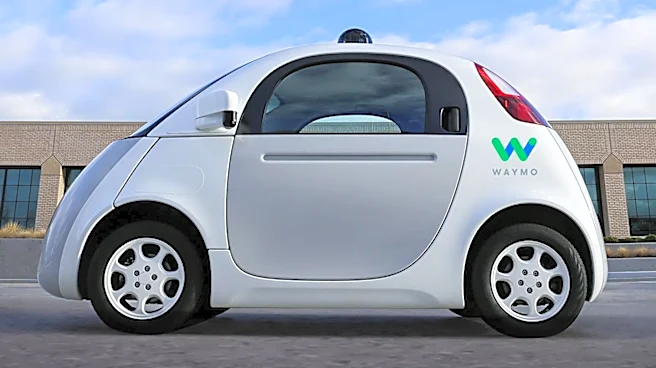
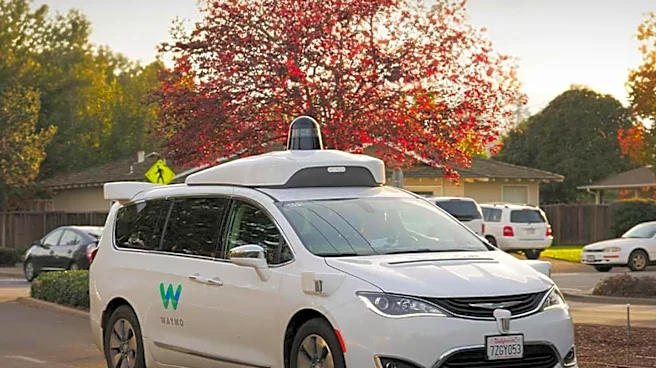
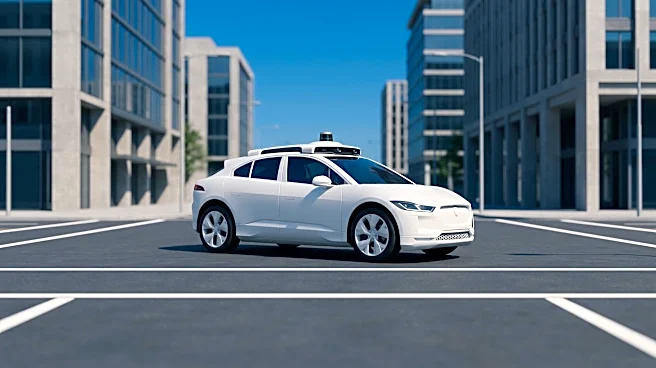
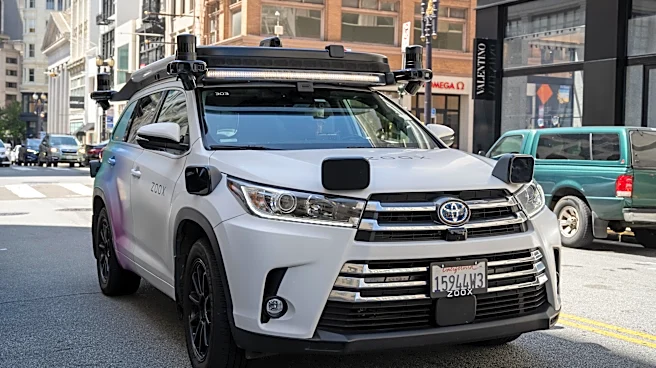
A man in Denver has reportedly egged Waymo self-driving vehicles over 30 times, according to a Denver Police Department report. The individual, described as having a ponytail and beard, has been observed stopping in front of Waymo cars, placing cones
around them, and then throwing eggs before driving away. These incidents have occurred in central Denver, with Waymo reporting seven of them to police in October. Despite the repeated acts, the Denver District Attorney’s Office has declined to press charges, stating that no crime was committed because there was no damage to the vehicles. Waymo estimates the eggings have cost approximately $2,000 due to vehicles needing to be pulled from service for detailing. The man's car is registered to a company that provides vehicles for Lyft drivers, a competitor to Waymo in Denver.
Why It's Important?
This series of incidents highlights potential challenges for autonomous vehicle companies like Waymo as they expand their services into new urban environments. While the District Attorney's decision not to press charges due to a lack of damage might seem minor, it could set a precedent that emboldens similar acts of harassment or vandalism against self-driving cars. For Waymo, these incidents not only incur financial costs for vehicle cleaning and downtime but also impact public perception and trust in autonomous technology. The repeated nature of the acts, potentially linked to a competitor's driver, could also signal underlying tensions within the ride-hailing market as traditional services face competition from autonomous alternatives. Maintaining public trust and ensuring the safety and smooth operation of their fleet are critical for Waymo's long-term success and broader adoption of self-driving technology.
What's Next?
Waymo has stated its commitment to community trust and safety, indicating they will continue to work with local law enforcement when incidents occur. The company supports enforcement actions if officers observe conduct warranting them. The Denver Department of Transportation and Infrastructure and Denver police have already presented information about Waymo and other self-driving vehicles to a City Council committee, suggesting ongoing discussions about the integration and regulation of autonomous vehicles in the city. Future actions could involve Waymo pursuing civil remedies for the damages incurred or increased surveillance and security measures for their fleet. The situation may also prompt a re-evaluation of existing laws regarding minor vandalism or harassment against autonomous vehicles, especially if such incidents become more widespread.
Beyond the Headlines
The repeated egging of Waymo vehicles, while seemingly trivial, touches upon deeper societal and ethical considerations surrounding the introduction of new technologies. It raises questions about public acceptance, resistance to automation, and the potential for human-robot interaction to manifest in unexpected ways. The lack of legal recourse for Waymo in this instance, despite financial losses, highlights a gap in current legal frameworks that may not adequately address acts of harassment against autonomous entities where physical damage is minimal. This could lead to a 'gray area' where individuals feel empowered to disrupt autonomous operations without facing significant consequences, potentially hindering technological progress and investment in the sector. It also underscores the importance of community engagement and education by autonomous vehicle companies to foster understanding and acceptance, rather than resentment or hostility.