




What's Happening?
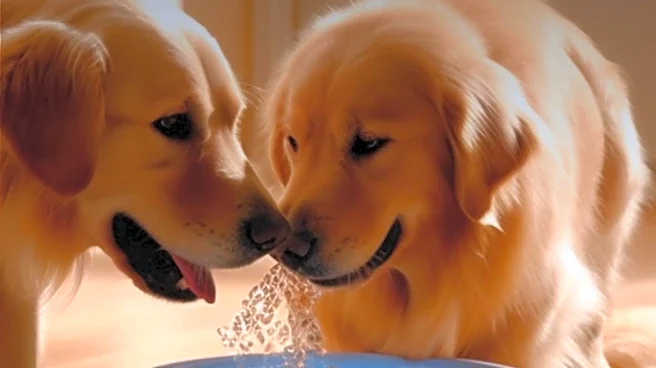
Veterinary experts and health organizations are emphasizing the critical need for frequent cleaning of pet food and water bowls, with daily cleaning being the ideal. A 2011 study by the National Sanitation Foundation (NSF) identified pet bowls as one
of the germiest places in a home, often contaminated with yeast, mold, salmonella, and E. coli. Thomas Dock, a certified veterinary journalist, notes that pet bowls are prime breeding grounds for bacteria due to moisture, food remnants, and comfortable room temperatures. While healthy adult pets may not always get sick from these bacteria, they can transfer harmful germs to humans or immunocompromised pets. The Centers for Disease Control and Prevention (CDC) recommends cleaning food bowls after every use for wet food and daily for dry food and water, with more frequent cleaning if a pet is ill.
Why It's Important?
The frequent cleaning of pet bowls is crucial for public health and animal welfare in the U.S. The presence of harmful bacteria like salmonella and E. coli in pet bowls poses a zoonotic risk, meaning these pathogens can be transmitted from animals to humans, potentially causing illness in household members. This is particularly concerning for young children, the elderly, and individuals with compromised immune systems. For pets, consistent exposure to these bacteria can lead to gastrointestinal problems and other health issues. By adhering to daily cleaning protocols, pet owners can significantly reduce the risk of bacterial growth and transmission, safeguarding both their pets' health and the well-being of their families. This practice underscores the interconnectedness of human and animal health within a shared living environment.
What's Next?
Increased public awareness campaigns from veterinary associations and health organizations are likely to promote better pet bowl hygiene practices. This could involve educational materials distributed at veterinary clinics, pet stores, and online platforms, detailing proper cleaning and disinfection methods. Manufacturers of pet bowls might also respond by developing more easily cleanable designs or materials, such as dishwasher-safe options, to encourage compliance. Furthermore, research into pet bowl materials and their propensity for bacterial growth could lead to innovations in product development aimed at minimizing contamination. The emphasis on daily cleaning could also prompt a re-evaluation of pet care guidelines, integrating more explicit recommendations for hygiene to prevent the spread of pathogens.
Beyond the Headlines
The issue of pet bowl hygiene extends beyond simple cleaning, touching upon broader aspects of household sanitation and the human-animal bond. It highlights the often-underestimated role of pets as potential vectors for pathogens within the home, prompting a re-evaluation of cleanliness standards in pet-owning households. This situation also underscores the importance of understanding and mitigating risks associated with shared environments, fostering a more holistic approach to family health that includes all members, furry or otherwise. Culturally, it reinforces the idea of responsible pet ownership as encompassing not just feeding and affection, but also diligent hygiene practices that protect both animal and human health, contributing to a more informed and health-conscious pet-owning community.