






What's Happening?
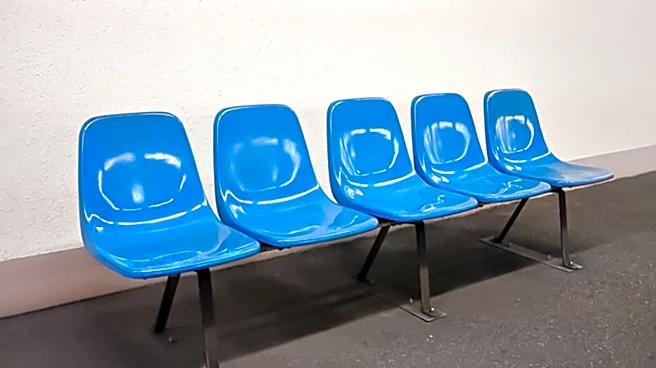
E-Mart, in collaboration with the Korea Railroad Corporation (Korail) and TerraCycle Korea, has launched an 'Upcycling Bench Project' to promote resource circulation. This initiative involves transforming waste plastic collected from customers into public
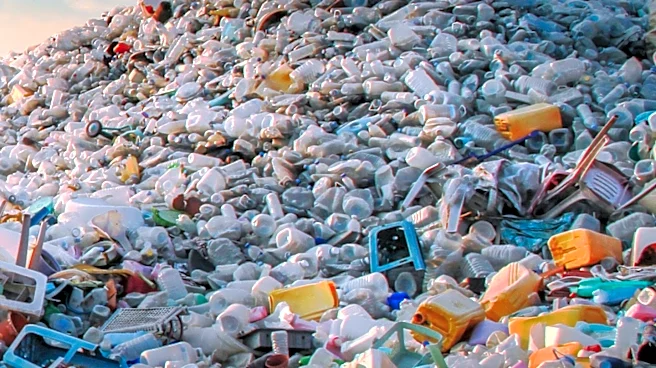
benches. Thirty of these upcycled benches have been installed in the reception area of KTX Yongsan Station. The project is a direct outcome of an 'Upcycling Bench Project MOU' signed in April between the three entities. Through E-Mart's 'Gaple Jiu' campaign, which encourages customers to bring plastic for recycling, approximately 1.3 tons of waste plastic, including difficult-to-recycle items like toothbrushes and shampoo containers, were used as raw materials for the benches. This effort aims to give new life to waste plastics that would otherwise be incinerated or buried, creating a tangible link between customer participation and community infrastructure.
Why It's Important?
This project highlights a growing trend in corporate social responsibility and sustainable practices, demonstrating how businesses can actively engage consumers in environmental efforts. By transforming waste into functional public amenities, E-Mart is not only reducing landfill waste but also raising public awareness about the potential of upcycling. The use of low-quality waste plastics, which are typically challenging to recycle, is particularly significant as it addresses a critical gap in current recycling systems. This initiative could serve as a model for other companies seeking to implement circular economy principles, fostering a sense of community involvement in environmental stewardship. The collaboration between a retailer, a public transportation entity, and a recycling specialist also showcases the power of cross-sector partnerships in tackling environmental challenges.
What's Next?
E-Mart plans to expand the scope of its upcycling efforts beyond plastics with high recycling value to include more low-quality waste plastics that were previously difficult to process. The company intends to manufacture a wider variety of upcycled products from these materials and return them to the community, further integrating sustainable practices into daily life. This expansion suggests a long-term commitment to resource circulation and innovation in waste management. The success of the Yongsan Station bench project could lead to similar installations in other public spaces, potentially inspiring broader adoption of upcycling initiatives across various industries and public sectors. Continued customer participation in the 'Gaple Jiu' campaign will be crucial for the sustained growth and impact of these programs.
Beyond the Headlines
The 'Upcycling Bench Project' touches upon deeper implications regarding consumer behavior and the lifecycle of products. By allowing customers to see their discarded items transformed into useful public goods, the initiative fosters a more conscious approach to consumption and waste generation. It challenges the traditional linear economy model of 'take, make, dispose' by promoting a circular approach where waste is viewed as a resource. This shift in perspective can have long-term cultural impacts, encouraging individuals and communities to embrace sustainability as a core value. Furthermore, the project subtly educates the public about the complexities of recycling, particularly the challenges associated with composite materials, and showcases innovative solutions to these problems. It underscores the idea that environmental responsibility is a shared endeavor, requiring collaboration between consumers, businesses, and public institutions.