






What's Happening?
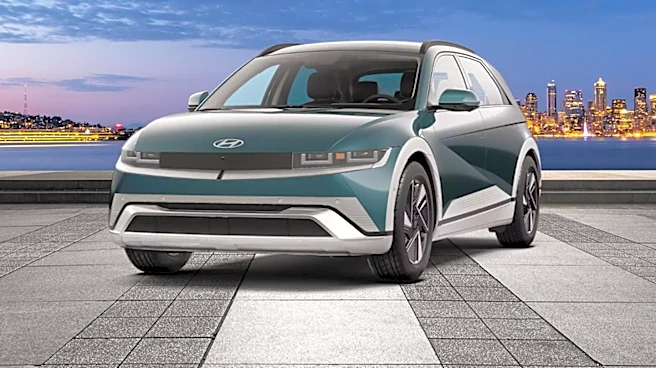
Hyundai-Kia America Technical Center, Inc. (HATCI), the North American R&D headquarters for Hyundai Motor Company, is actively recruiting for EV AER Development Sr. Engineer or Engineer II positions. These roles are based in Superior Township, Michigan,
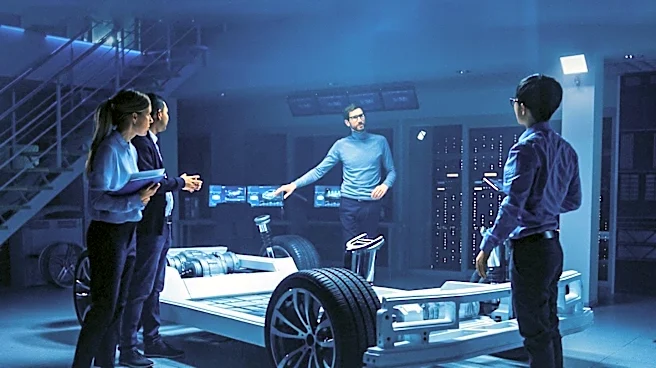
and are critical to enhancing vehicle-level efficiency for Hyundai, Kia, and Genesis electric vehicles. The EV Efficiency Engineering Team (EVE) within HATCI's Department of Electrified Propulsion System Development (EPSD) is focused on identifying, developing, and integrating more efficient propulsion system technologies for current and future EV products. This includes supporting the investigation of new technologies for real-world and fuel efficiency benefits, as well as localizing these advancements for North American market needs. The positions require expertise in vehicle propulsion systems, testing, data analysis using tools like MATLAB/Simulink, and a strong understanding of U.S. market technology trends and regulatory requirements.
Why It's Important?
This recruitment drive by HATCI signifies a significant investment in electric vehicle technology and its localization for the North American market. By focusing on enhancing EV efficiency, Hyundai aims to improve the performance and appeal of its Hyundai, Kia, and Genesis brands in the highly competitive U.S. automotive sector. The development of more efficient EVs can lead to increased consumer adoption due to better range and lower operating costs, directly impacting sales and market share for these brands. Furthermore, these efforts contribute to broader environmental goals by reducing energy consumption and emissions. The creation of specialized engineering jobs in Michigan also supports local economic development and strengthens the U.S. as a hub for automotive innovation, particularly in the EV segment. This strategic move positions Hyundai to meet evolving consumer demands and stringent regulatory standards in the U.S.
What's Next?
HATCI will continue its recruitment efforts to fill these specialized EV engineering roles, aiming to bolster its R&D capabilities in North America. Successful candidates will be tasked with leading activities to integrate advanced propulsion system technologies and support the development of next-generation electric vehicles. The ongoing work will involve extensive testing, analysis, and collaboration with other development teams, product planning, and certification bodies. The outcome of these engineering efforts is expected to manifest in future Hyundai, Kia, and Genesis EV models, featuring improved energy efficiency and performance tailored for the U.S. market. This will likely include new vehicle announcements and technological showcases in the coming years, demonstrating the tangible results of this investment in EV development.
Beyond the Headlines
The push for enhanced EV efficiency by HATCI reflects a broader industry trend towards sustainable transportation and the increasing importance of electric vehicles in the U.S. automotive landscape. Beyond the immediate technical advancements, this initiative highlights the complex interplay between engineering innovation, market demands, and regulatory pressures. The focus on 'localizing' technologies for North American needs suggests an adaptation to specific driving conditions, consumer preferences, and regulatory frameworks in the U.S., which can differentiate Hyundai's offerings from global competitors. This also underscores the shift in the automotive workforce, with a growing demand for specialized skills in electrification and software development. The long-term implications include a more robust EV ecosystem in the U.S., potentially influencing infrastructure development, energy consumption patterns, and the overall transition to a greener economy.