

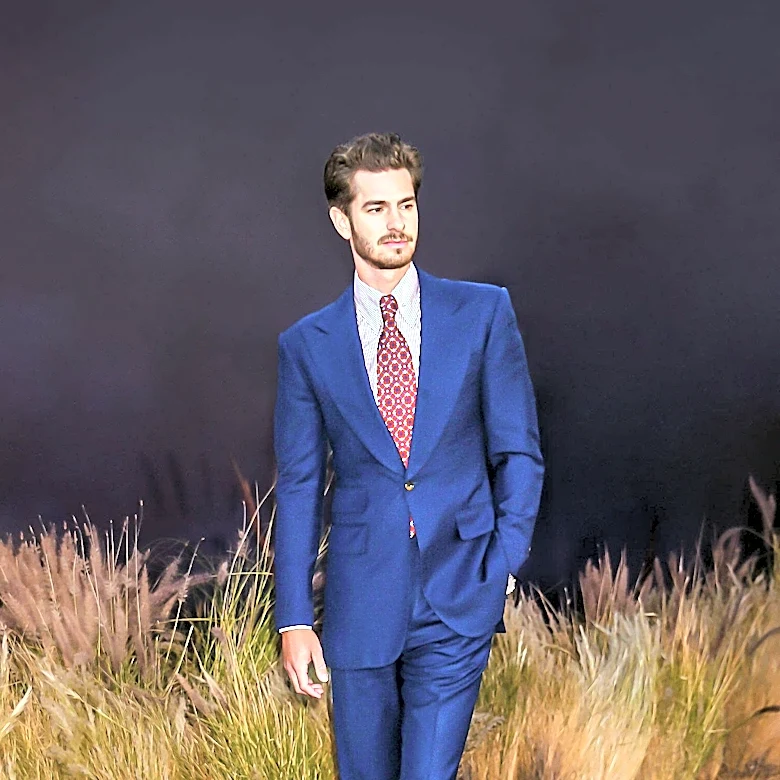





What's Happening?
Daniel Neeson, the son of renowned actor Liam Neeson, has forged his own path as an American entrepreneur and fashion designer. While widely recognized due to his father's fame, Daniel Neeson has independently developed a career in the business and fashion industries.
His professional endeavors highlight a focus on entrepreneurship, indicating a move into creative and commercial ventures distinct from his family's acting legacy. This development showcases his individual pursuits within the American business landscape, establishing his identity beyond his familial connections.
Why It's Important?
The emergence of Daniel Neeson as an entrepreneur and fashion designer is significant as it illustrates the diversification of career paths among the children of prominent figures. It highlights how individuals from well-known families can leverage their background while simultaneously building independent professional identities. For the fashion and entrepreneurial sectors, his involvement could bring new perspectives and potentially attract attention, given his lineage. This also underscores a broader trend where the offspring of celebrities often venture into various industries, contributing to economic and cultural landscapes in their own right. His success or challenges in these fields could serve as a case study for other aspiring entrepreneurs with similar backgrounds.
What's Next?
As an American entrepreneur and fashion designer, Daniel Neeson is expected to continue developing his brands and ventures. Future developments could include new fashion collections, expansion into different markets, or collaborations within the industry. His ongoing work will likely be watched by those interested in celebrity offspring forging independent careers, as well as by followers of emerging trends in fashion and entrepreneurship. The trajectory of his businesses will determine his long-term impact and recognition within these competitive fields.
Beyond the Headlines
Daniel Neeson's career trajectory offers a glimpse into the complexities faced by children of famous parents, who often navigate public expectations while striving for personal and professional autonomy. His choice to enter entrepreneurship and fashion, rather than acting, suggests a deliberate effort to carve out a unique identity. This also touches upon the broader cultural narrative of legacy and self-made success, even when starting with inherent advantages. His journey could inspire discussions about privilege, personal ambition, and the definition of success in the shadow of celebrity.