



What's Happening?
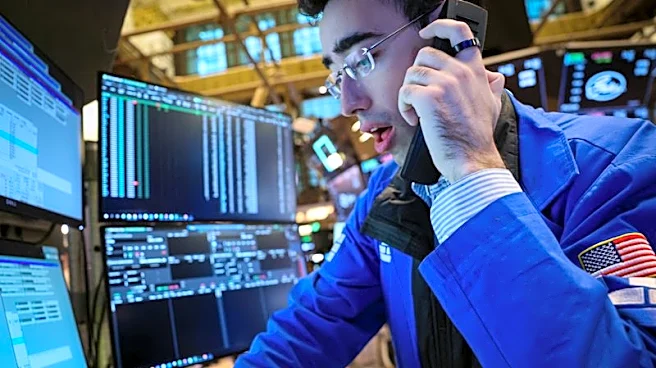
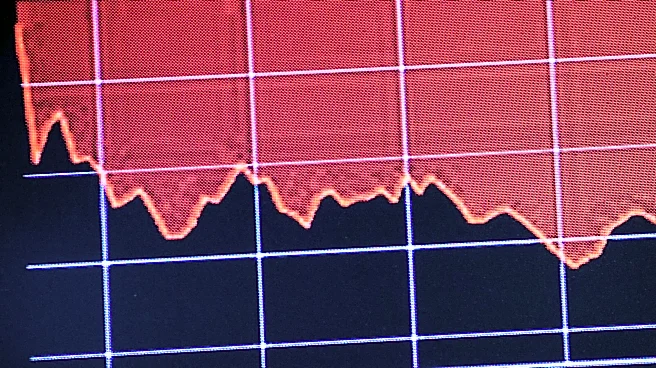
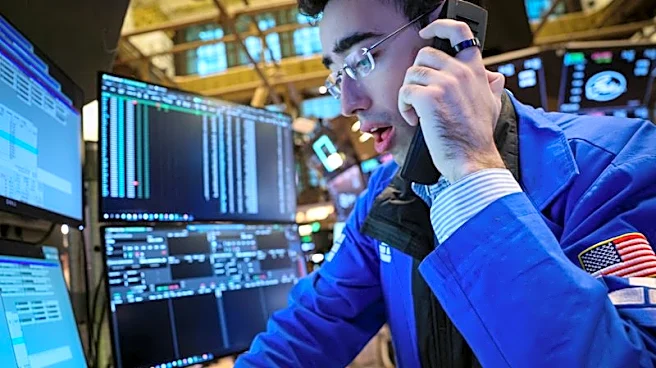
Wall Street endured its most challenging week in over a year, with major indices experiencing substantial drops. The S&P 500 index fell by almost 8.6%, entering correction territory, while the Nasdaq plunged 10%, marking its worst weekly decline in over six
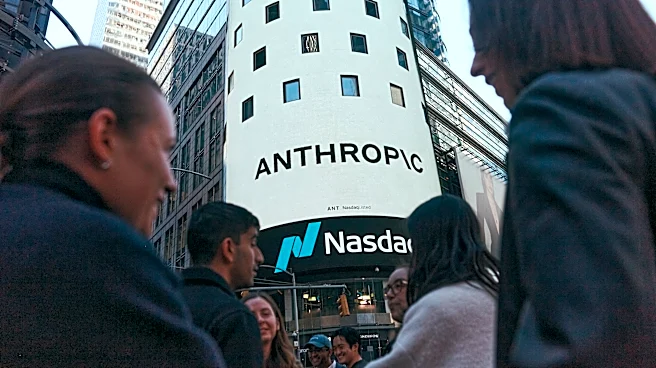
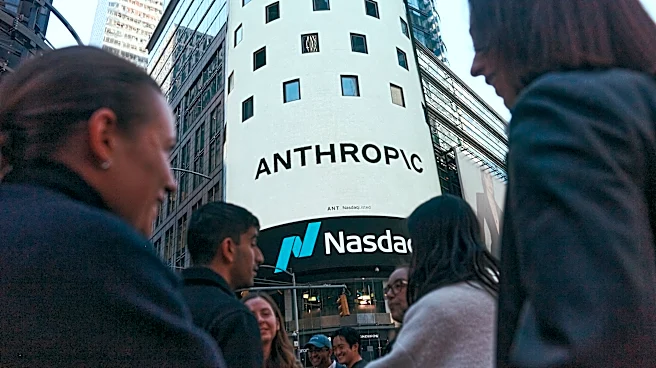
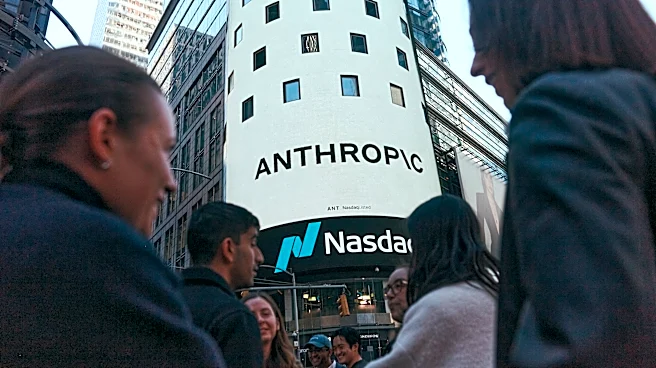
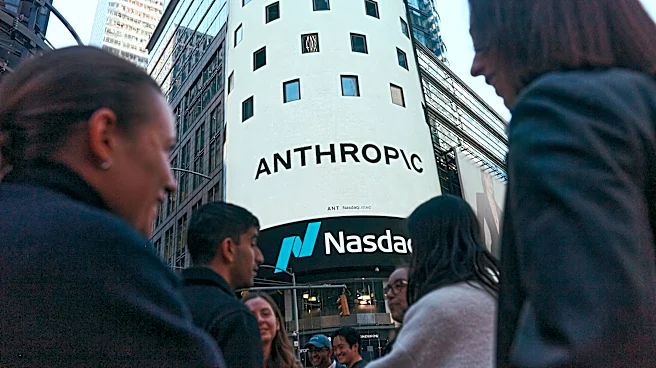
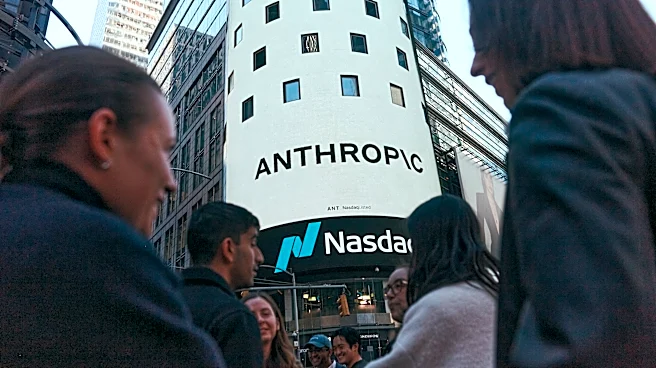
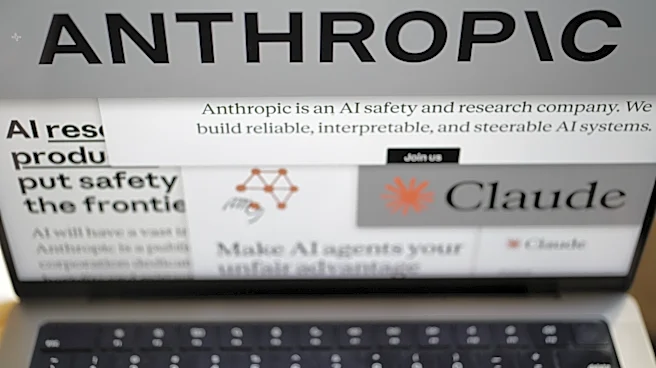
years and turning negative for 2026. This downturn was primarily driven by a sell-off in the artificial intelligence (AI) sector. Nvidia's stock plummeted 23% following the abrupt departure of CEO Jensen Huang and the board's decision against his reinstatement, despite strong earnings. Additionally, Anthropic's initial public offering (IPO) saw a record-breaking debut but 'faceplanted' on its second day, closing with an 8.5% decline after an initial surge. These events, coupled with mounting political opposition to new data center construction, fueled investor concerns about the sustainability of AI infrastructure spending and high valuations.
Why It's Important?
The significant market decline underscores investor apprehension regarding the stability and future growth trajectory of the AI sector, which has been a major market driver. Nvidia's leadership uncertainty, despite robust financial performance, highlights how critical executive stability is for investor confidence in high-growth technology companies. Anthropic's volatile IPO performance suggests that while there is immense interest in AI, the market may be becoming more discerning about valuations and long-term prospects. The broader market's reaction indicates a potential shift in investor sentiment, moving away from aggressive growth plays towards more stable investments. This could lead to a re-evaluation of portfolios, with a focus on diversification beyond the AI trade, as evidenced by some investors deploying cash into companies with strong fundamentals outside the tech sector.
What's Next?
Investors are expected to continue monitoring developments within the AI sector, particularly regarding leadership stability at key companies like Nvidia and the performance of recent IPOs. The market's current 'oversold' condition may prompt some investors to strategically deploy cash reserves into undervalued assets or companies with strong fundamentals and dividend yields, as seen with recent investments in FedEx Freight, Meta Platforms, Constellation Brands, and Bank of New York. The ongoing political opposition to new data center construction could also impact future AI infrastructure development and investment. Companies like Home Depot, TJX Companies, and Palo Alto Networks, which reported strong earnings, may attract more attention as investors seek stability and proven performance amidst market volatility. The cybersecurity sector, in particular, is seeing increased demand due to new AI-introduced threats.
Beyond the Headlines
The recent market turmoil highlights a broader re-evaluation of the 'AI trade' and its long-term implications. The rapid rise and subsequent volatility in AI stocks could signal a maturing phase for the technology, where initial hype gives way to more realistic assessments of profitability and sustainability. Ethical and regulatory considerations surrounding AI, including political opposition to data center expansion, are likely to become more prominent, potentially influencing investment decisions and corporate strategies. This period of market correction could also foster innovation in other sectors as investors seek new growth opportunities. The emphasis on 'mass luxury' in other industries, as seen in the airline sector, suggests a consumer trend towards enhanced experiences at a more accessible price point, which could influence how technology companies package and market their AI-driven products and services.