



What's Happening?
WWE Superstar Tiffany Stratton has indicated that her next heel turn will feature a character that is an amplified version of her real personality, describing it as 'me on steroids.' During an interview on the Battleground podcast, Stratton explained
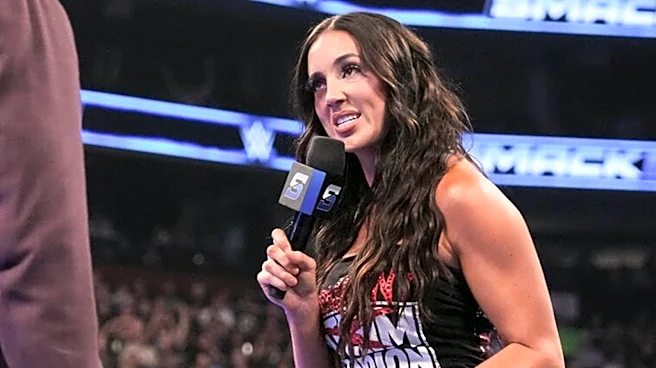
that she initially aimed to portray characters distinct from her true self. However, she has since realized that audiences connect more with performers who bring a more authentic, albeit exaggerated, version of themselves to the ring. Stratton noted that professional wrestling has evolved, with many performers now presenting extended versions of their real personalities rather than entirely separate characters. She expressed excitement for this upcoming transformation, which she believes will be 'different' and impactful. Currently, Stratton is working as a babyface on SmackDown, having recently teamed with Paige and WWE Women’s Champion Chelsea Green in a losing effort against Fatal Influence.
Why It's Important?
This potential character shift for Tiffany Stratton is significant for several reasons within the professional wrestling landscape. For fans, a more authentic and intensified heel persona could lead to more compelling storylines and deeper engagement, as audiences often appreciate characters that feel genuine, even if they are villains. For WWE, this approach aligns with a broader industry trend where performers blur the lines between their real selves and their on-screen characters, potentially increasing relatability and drawing new viewers. A strong heel character like the one Stratton is teasing can generate significant heat, creating clear antagonists for fan-favorite babyfaces and driving narrative tension. This could elevate Stratton's standing within the women's division, making her a more prominent and impactful figure, and potentially boosting viewership and merchandise sales associated with her character. The move also reflects a strategic understanding of modern wrestling psychology, where the 'extended version of self' often resonates more powerfully than purely fictional portrayals.
What's Next?
Tiffany Stratton is currently positioned as a babyface on SmackDown, but her comments suggest a heel turn is anticipated in the future. The timing of this character change remains unconfirmed, but it will likely be integrated into an ongoing storyline or a new narrative arc. Fans will be watching for subtle shifts in her on-screen demeanor or alliances that could signal the beginning of this transformation. Her recent match on SmackDown, where her team lost due to interference, could be a precursor to a heel turn, potentially leading to frustration or a change in strategy. Additionally, Stratton is scheduled to compete in a Money in the Bank qualifier, and the outcome of that match could influence her character's direction. The development of this 'on steroids' persona will likely involve a gradual unveiling, allowing the audience to witness her evolution and the impact it has on her interactions with other WWE Superstars and the overall narrative.
Beyond the Headlines
The trend Tiffany Stratton highlights—of wrestlers presenting amplified versions of themselves rather than entirely fictional characters—reflects a broader cultural shift towards authenticity and relatability in public personas, even within performance-based industries. This approach can blur the lines between reality and fiction, creating a more immersive experience for fans but also potentially posing challenges for performers in maintaining personal boundaries. For WWE, this strategy can enhance the emotional investment of the audience, as the perceived 'realness' of a character can lead to stronger reactions, whether positive or negative. However, it also places a greater demand on performers to manage their public image and personal brand, as their on-screen actions are more closely tied to their actual identities. This evolution in character development underscores the dynamic nature of professional wrestling, constantly adapting to audience expectations and broader entertainment trends, moving towards a more nuanced and psychologically driven form of storytelling.