



What's Happening?
Major U.S. banks are updating their terms of service to place responsibility for errors made by artificial intelligence (AI) assistants squarely on customers. This shift comes as AI agents capable of handling financial transactions become more prevalent.
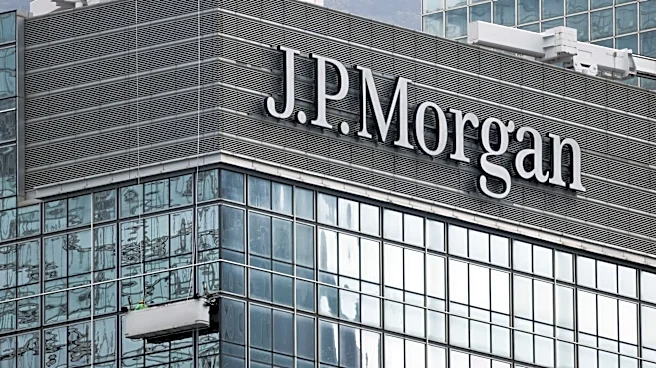
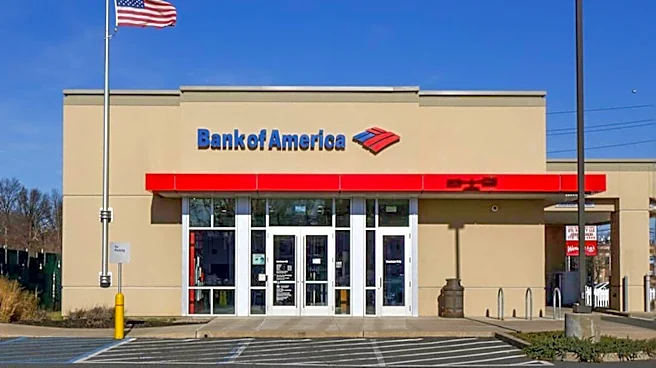
Wells Fargo, for instance, will implement updated terms stating that if a customer grants an AI access to their bank account, any subsequent transactions, even erroneous ones, will be considered directly approved by the customer. This means customers will be held liable unless the error falls under a statutory consumer protection exception. Other institutions like JPMorgan Chase have blocked external AI from accessing accounts, while PNC has restricted unauthorized AI money transfers. Citibank has revised its terms to treat AI transactions as customer approvals, and Bank of America has issued warnings against sharing login credentials with AI systems. Bill Demchak, CEO of PNC, criticized tech companies for treating people's money like a 'new toy,' emphasizing that AI developers should bear responsibility for transaction accidents, especially since 'real money is involved.'
Why It's Important?
This move by U.S. banks significantly alters the landscape of financial liability in the age of AI, potentially exposing consumers to new risks. By shifting the burden of AI-induced errors to customers, banks are attempting to insulate themselves from financial losses stemming from misinterpretations or unauthorized actions by AI agents. This could lead to increased caution among consumers regarding the use of AI for financial management, potentially slowing the adoption of such technologies. The banking sector's preemptive response highlights a growing concern over the security and accountability of AI in sensitive financial operations. It also sets the stage for potential disputes between banks, AI developers, and consumers, as the question of who is ultimately responsible for AI-generated financial mistakes becomes a critical legal and ethical challenge. The stance taken by banks could also influence regulatory bodies to establish clearer guidelines for AI use in finance and consumer protection.
What's Next?
The updated terms from banks like Wells Fargo are set to take effect, which will likely lead to increased scrutiny from consumer advocacy groups and potentially prompt regulatory bodies to review existing consumer protection laws in the context of AI. As AI agents like Meta’s ‘Muse’ and OpenAI’s ‘Dots’ continue to spread, disputes over liability between banks and AI developers are anticipated to intensify. While banks aim to limit their liability by citing customer authorization, there will likely be ongoing debate about whether customers should bear the full burden of damages caused by errors originating from AI developers. This situation could also spur AI developers to implement more robust security measures and clearer disclaimers for their financial transaction capabilities. Consumers will need to exercise extreme caution and thoroughly understand the terms of service before integrating AI agents with their banking accounts.
Beyond the Headlines
The banking industry's proactive stance on AI liability underscores a broader societal challenge: defining accountability in an increasingly automated world. This development raises fundamental questions about the legal personhood of AI and the extent to which its actions can be attributed to either its developers or its users. Ethically, it challenges the principle of consumer protection, especially when complex AI systems might operate beyond the average user's full comprehension. The banks' position could inadvertently stifle innovation in AI-driven financial services if consumers become too wary of potential liabilities. Furthermore, it highlights a potential regulatory gap, as existing laws may not adequately address the nuances of AI-generated financial errors. This situation could catalyze a re-evaluation of digital consumer rights and the need for new legal frameworks that specifically address the unique risks and benefits of artificial intelligence in critical sectors like finance.