







What's Happening?
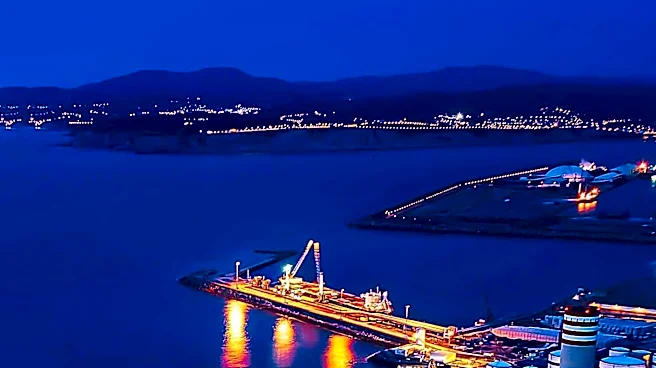
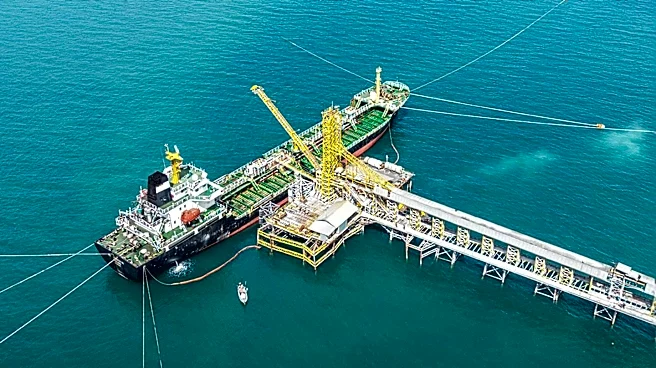
Ship-to-ship (STS) oil transfers have significantly increased off India's Gulf of Kutch, with 82 cargoes, totaling approximately 680,000 barrels per day (bpd), transferred in September. This surge is attributed to the operational limits being reached
in traditional STS zones off Fujairah in the UAE and Sohar in Oman. Middle Eastern oil exporters are utilizing India's west coast as an alternative point to maintain oil supplies to Asian markets, particularly due to heightened risks associated with tanker journeys through the Strait of Hormuz. The congestion in the primary STS zones outside the Strait of Hormuz indicates that the shuttle-shipping method used by Gulf producers to export oil via Hormuz is facing operational constraints, leading to potential delays or the necessity for transfers further afield. Analysts acknowledge this eastward shift in STS activities, driven by the overcrowding in the Oman and UAE zones, prompting some producers and buyers to seek transfer locations closer to Asia.
Why It's Important?
The shift in ship-to-ship oil transfer operations to India's west coast highlights the evolving dynamics of global oil logistics and the critical role of maritime security in energy supply chains. The increased activity in the Gulf of Kutch underscores the strategic importance of India's coastline as a hub for oil transshipment, potentially enhancing its influence in regional energy markets. For U.S. and international energy stakeholders, this development signifies the ongoing challenges and adaptations in maintaining stable oil flows from the Middle East to Asia, especially in the face of geopolitical tensions in key chokepoints like the Strait of Hormuz. The operational limits in established STS zones could lead to increased shipping costs and longer transit times, impacting global oil prices and supply reliability. Furthermore, the varying discounts and premiums for different crude grades, such as Iraq's Basrah Medium and Basrah Heavy versus the UAE's Murban crude, reflect the market's assessment of risks associated with specific export routes, influencing investment decisions and trade strategies for oil companies worldwide.
What's Next?
The trend of increased ship-to-ship transfers off India's west coast is likely to continue as long as congestion persists in the traditional STS zones and risks in the Strait of Hormuz remain elevated. This could lead to further development of infrastructure and services in the Gulf of Kutch to support these operations. Oil producers and buyers will continue to assess the most efficient and secure routes for crude delivery, potentially exploring other alternative transfer points in the Indian Ocean region. The market will closely monitor the operational capacity of these new STS zones and their impact on shipping schedules and costs. Additionally, the pricing of Middle Eastern crude grades will continue to reflect the perceived risks and logistical efficiencies of their respective export routes, influencing global oil trade patterns and potentially leading to adjustments in long-term supply contracts. Stakeholders will also be watching for any diplomatic or security initiatives aimed at de-escalating tensions in the Strait of Hormuz, which could alter the current reliance on alternative STS locations.
Beyond the Headlines
The expansion of ship-to-ship oil transfers to India's west coast carries broader implications beyond immediate logistical concerns. It underscores the growing interconnectedness of global energy markets and the ripple effects of regional instability on international trade. This development could lead to increased maritime traffic and associated environmental considerations in the Gulf of Kutch, necessitating enhanced regulatory oversight and environmental protection measures. From a geopolitical perspective, India's role as a critical transshipment point could elevate its strategic importance in global energy security discussions, potentially influencing its foreign policy and economic partnerships. The reliance on STS transfers also highlights the vulnerability of the global oil supply chain to disruptions, emphasizing the need for diversified energy sources and resilient logistical networks. This situation could also spur innovation in maritime technology and risk management strategies to mitigate the challenges associated with complex oil transfer operations in increasingly crowded and sensitive marine environments.