





What's Happening?
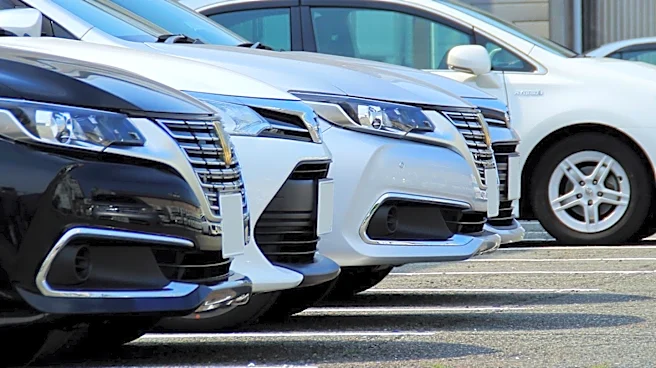
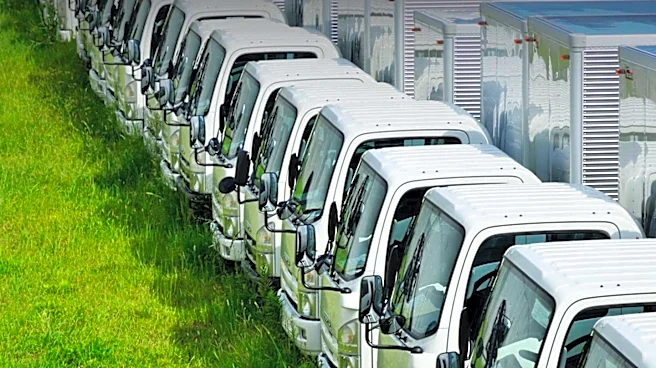
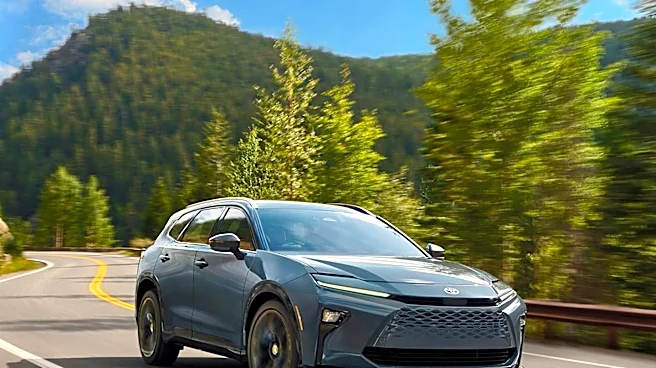
Fleet operators are increasingly narrowing their company car choice lists to better manage costs in response to rising economic pressures. This trend, highlighted by Arval UK, represents a shift from the early 2020s when businesses expanded vehicle selections
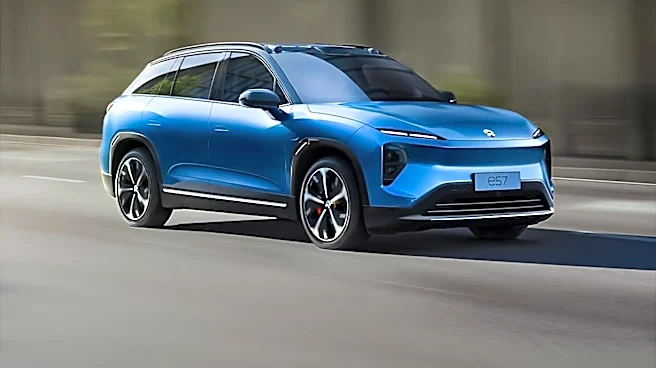
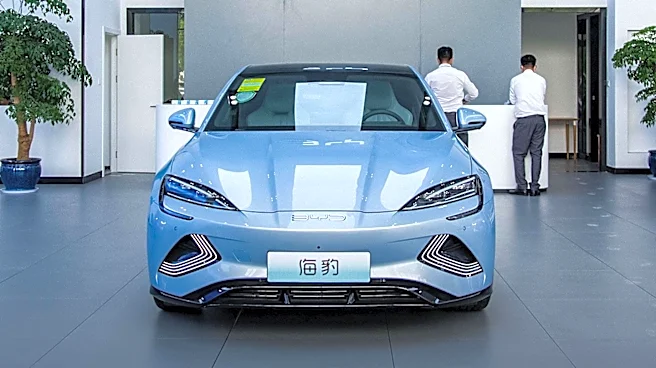
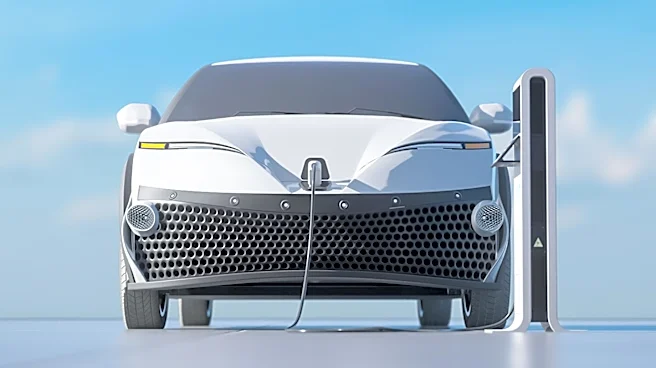
to promote electric vehicle (EV) adoption. Ben Edwards, a senior consultant at Arval UK, notes that the focus has now shifted back to strict cost control. Initially, the limited availability and high demand for EVs led to expanded choice lists. However, with the current abundance and diversity of EV models, the market has shifted from a seller's to a buyer's market. This change is driven by macroeconomic pressures and geopolitical uncertainties, prompting businesses to optimize fleet spending. Companies are now integrating EVs into standard procurement processes rather than treating them as a separate category.
Why It's Important?
The shift in fleet management strategies reflects broader economic challenges and the evolving automotive market. By reducing choice lists, companies can concentrate their spending power, ensuring they meet employee needs while managing costs effectively. This approach allows businesses to adapt to economic uncertainties and geopolitical tensions, such as those in the Middle East, which impact global markets. The integration of EVs into standard procurement processes signifies a maturation of the EV market, where businesses can now choose from a wide range of models that offer value across different fuel types. This trend could influence the automotive industry by encouraging manufacturers to offer more competitive pricing and incentives, such as home chargers, to attract fleet customers.
What's Next?
As businesses continue to adjust their fleet strategies, there may be increased collaboration with manufacturers to negotiate preferential terms and incentives. This could lead to more tailored solutions that align with corporate priorities and economic conditions. Additionally, the focus on cost control and efficient fleet management may drive further innovation in the automotive industry, particularly in the development of cost-effective EV models and related infrastructure. Companies may also explore alternative mobility solutions, such as car-sharing or leasing, to further optimize their transportation needs.