






What's Happening?
Compost, made from decomposed yard and food scraps, is a highly effective solution for reducing soil compaction in gardens. Soil compaction can result from various factors, including excessive tilling, walking on garden beds, topsoil erosion, or the natural
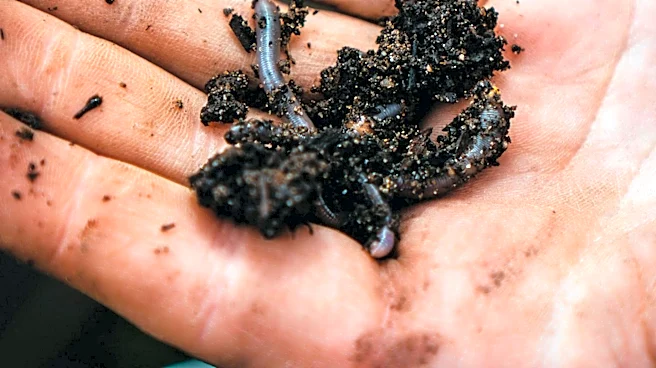
characteristics of a region's soil. Compacted soil hinders plant growth by restricting root development and limiting access to moisture and nutrients, often leading to issues like water runoff. Compost addresses these problems by contributing essential nutrients and, crucially, by improving soil structure. It creates pore space within the soil and supports beneficial organisms, such as earthworms, which naturally aerate the soil. Applying aged compost directly onto garden beds and working it into the soil allows natural decomposition and the activity of these organisms to gradually enhance soil texture over several months.
Why It's Important?
Soil compaction is a widespread issue in U.S. gardens and agricultural lands, directly impacting crop yields and plant health. By improving soil structure, compost helps plants access vital water and nutrients more efficiently, leading to healthier growth and potentially higher yields for home gardeners and small-scale farmers. This reduces the need for chemical fertilizers and extensive tilling, offering both economic savings and environmental benefits by promoting sustainable land management. Enhanced soil health also contributes to better water infiltration, reducing runoff and erosion, which protects local water quality and conserves soil resources. The use of compost supports a more resilient and productive gardening ecosystem across the nation.
What's Next?
Gardeners facing soil compaction issues can immediately begin by laying aged compost on top of their garden beds after weeding and raking. Over the subsequent months, natural processes will integrate the compost into the soil, improving its texture. The level of compaction may influence the method and amount of compost applied. This practice is particularly beneficial in the fall, allowing the compost to work its magic over the winter months, preparing the soil for spring planting. Continued education on the benefits and application methods of compost can empower more U.S. gardeners to adopt this sustainable practice, leading to widespread improvements in soil health.
Beyond the Headlines
The role of compost in mitigating soil compaction extends beyond immediate gardening benefits, touching upon broader ecological and agricultural implications. Healthy soil, facilitated by compost, acts as a carbon sink, helping to sequester atmospheric carbon and combat climate change. It also supports a diverse microbiome, which is essential for nutrient cycling and plant disease suppression, reducing reliance on synthetic pesticides. This emphasis on soil health reflects a growing understanding of regenerative agriculture principles, which are crucial for long-term food security and environmental sustainability in the U.S. By promoting compost use, individuals contribute to a larger movement towards ecological restoration and responsible land stewardship.