







What's Happening?
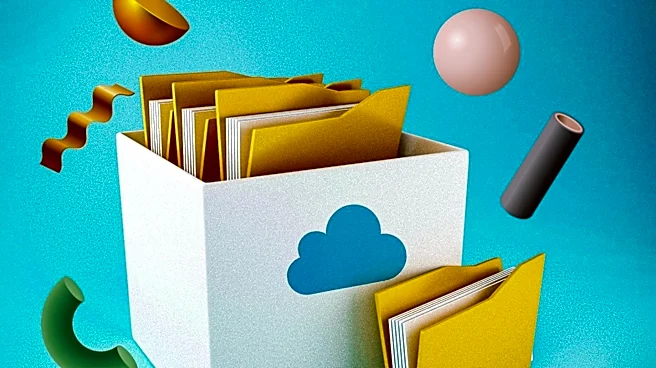
Fabric is positioning itself as a robust cloud workspace solution designed specifically for creative teams, offering a comprehensive alternative to traditional Network Attached Storage (NAS) systems. It aims to address the limitations of conventional
file servers by integrating files with related work, supporting real-time collaboration, and connecting with over 30 applications, including Slack, Google Drive, and Figma. Fabric's key features include AI search capabilities that go beyond file names, allowing users to search by meaning across documents, videos, and images, and even transcribe media for searchable content. The platform also provides a spatial canvas for visual planning, moodboarding, and annotations for feedback, along with publishing tools that include analytics for sharing work with clients.
Why It's Important?
The shift from traditional NAS to cloud-based solutions like Fabric is critical for creative teams, particularly those with remote or hybrid work models. NAS systems, while effective for local networks, present significant challenges with hardware maintenance, remote access via VPNs, and scalability. Fabric's cloud-native approach eliminates these issues by offering instant scalability, no hardware maintenance, and seamless access from any device or platform without a VPN. The advanced AI search and integrated collaboration tools are particularly impactful, as they transform file storage into an intelligent workspace where content is understood and easily discoverable. This not only boosts productivity by reducing time spent searching for assets but also enhances creative workflows by facilitating real-time feedback and project management, ultimately leading to more efficient and innovative output for U.S. businesses in the creative sector.
What's Next?
Fabric's continued development will likely focus on expanding its AI capabilities and integration ecosystem to further solidify its position as a leading workspace for creative professionals. As more teams transition to remote and hybrid models, the demand for intelligent, collaborative cloud solutions will grow, pushing Fabric to innovate in areas like advanced media processing, deeper application integrations, and enhanced project management features. The company may also explore specialized offerings for different creative disciplines, such as video production, graphic design, or architecture, to cater to unique industry needs. The success of platforms like Fabric could accelerate the obsolescence of traditional on-premise storage solutions for creative industries, driving a broader adoption of cloud-first strategies across the U.S. business landscape.
Beyond the Headlines
Fabric's emergence signifies a deeper evolution in how creative work is conceptualized and executed. It moves beyond mere file storage to a paradigm where data is not just stored but understood, analyzed, and actively contributes to the creative process. This shift has profound implications for intellectual property management, data governance, and the very nature of creative collaboration. The AI-driven search capabilities, for instance, could democratize access to vast archives of creative assets, enabling new forms of remixing and innovation. Furthermore, by integrating various tools into a single workspace, Fabric is addressing the fragmentation of digital workflows, which often hinders creativity. This holistic approach could redefine industry standards for creative project management, fostering a more interconnected and intelligent ecosystem for content creation in the U.S. and globally.