



What's Happening?
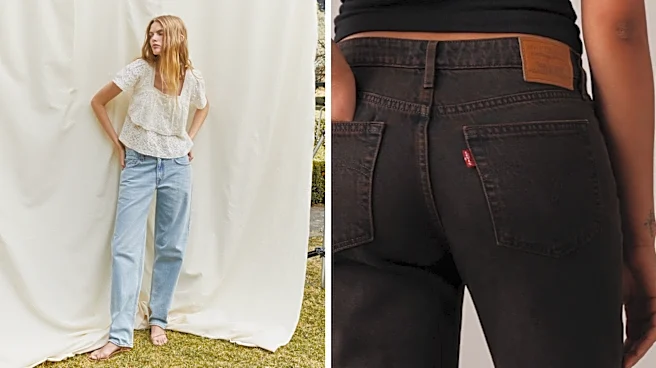
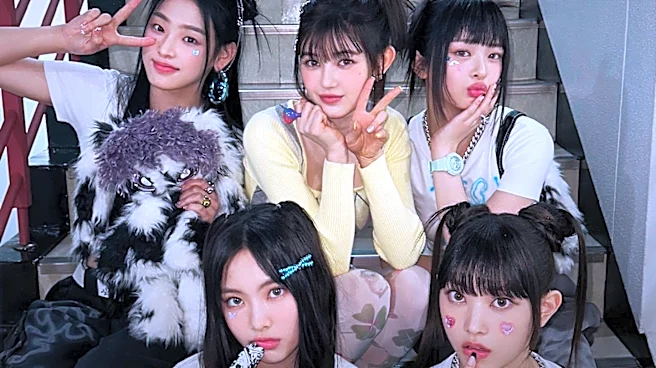
The Y2K fashion revival, characterized by trends like low-rise jeans, sparkly tops, and chunky belts, has brought renewed attention to the term 'ABG,' or 'Asian Baby Girl.' This slang term describes a specific fashion and lifestyle aesthetic associated
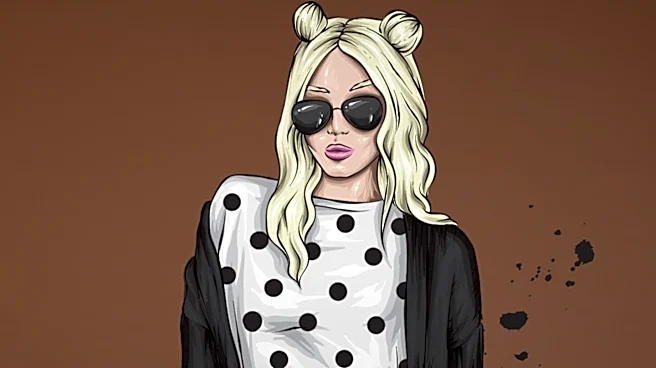
with young Asian American women, featuring bold makeup, streetwear, and a confident social media presence. Originating in Asian American youth culture in the 1990s, the ABG aesthetic gained wider visibility through platforms like Instagram and YouTube in the early 2010s, and more recently through TikTok. The term is now frequently used in social media captions, hashtags, and online conversations to describe a particular style or vibe, often in a playful or descriptive manner. While rooted in Asian American culture, its usage has expanded as part of broader internet slang and fashion trends.
Why It's Important?
The resurgence of the 'ABG' term highlights how subcultural identities can evolve into widely recognized internet labels, influencing fashion and social media trends. This phenomenon reflects a broader cultural dynamic where specific aesthetics become shorthand for expressing identity online, particularly among younger demographics. The term's popularity, driven by platforms like TikTok, demonstrates the power of social media in disseminating and popularizing niche cultural expressions. For brands and marketers, understanding such evolving terminology and aesthetics is crucial for connecting with diverse youth audiences. It also underscores the ongoing influence of nostalgia, as the Y2K revival continues to shape contemporary fashion and lifestyle choices, impacting consumer behavior and cultural discourse.
What's Next?
As the Y2K fashion revival continues, the term 'ABG' is likely to remain relevant in online discourse, particularly on visual platforms like Instagram and TikTok. Its usage may further evolve, potentially becoming more generalized or inspiring new related terms as fashion cycles progress. We can expect to see continued integration of Y2K aesthetics into mainstream fashion, influencing retail offerings and celebrity styles. The term's ongoing presence will also likely prompt further discussions about cultural representation and the nuances of identity labels in the digital age. New users encountering the term will continue to drive searches for its meaning, ensuring its sustained visibility in online culture.
Beyond the Headlines
The 'ABG' phenomenon extends beyond mere fashion trends, touching upon deeper aspects of identity, representation, and cultural appropriation. While the term originated as a way for Asian American women to push back against stereotypes, its widespread adoption in mainstream internet culture raises questions about how specific cultural identities are consumed and reinterpreted. The term's evolution from a niche subcultural identifier to a broader aesthetic label reflects the complex interplay between authenticity and trendification in online spaces. It also highlights the ongoing negotiation of identity within diasporic communities and how these expressions are perceived and adopted by wider audiences, prompting discussions about the line between appreciation and commodification of cultural styles.