





What's Happening?
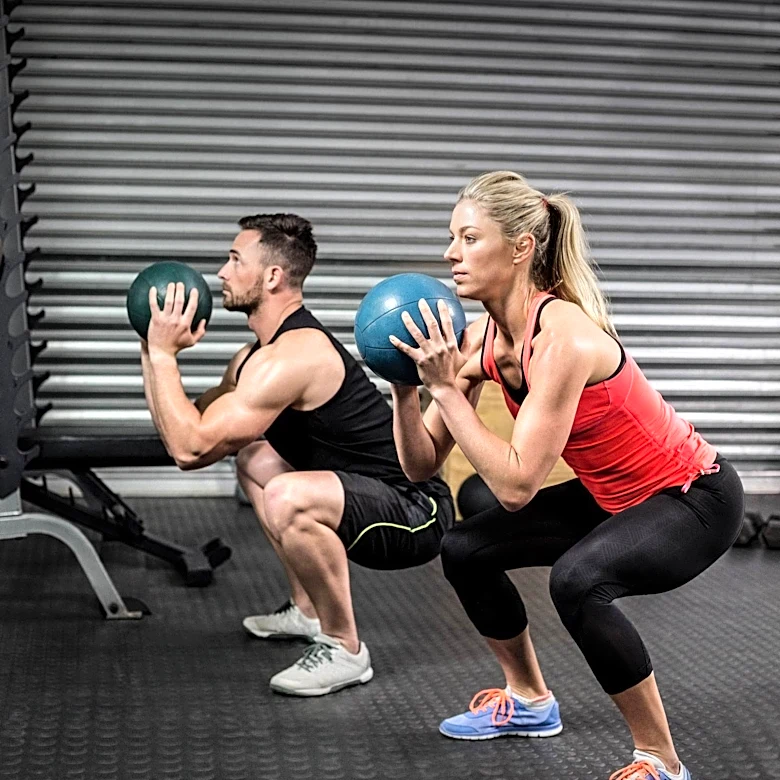
Medicine balls are being highlighted as a highly versatile and compact piece of equipment for home fitness routines. They enable full-body workouts without the need for extensive gym machinery or large sets of weights. With a single medicine ball, individuals
can perform exercises that target strength, core stability, cardio, power, and coordination. This includes movements like squats, presses, lunges, rows, twists, chops, throws, and slams. The convenience of medicine balls makes them suitable for quick, effective workouts that can be integrated into busy schedules, such as during breaks or while waiting for dinner. They are also space-efficient, easily stored under furniture or in closets, making them ideal for smaller living spaces, especially as people move workouts indoors during colder months. The adaptability of medicine balls allows both beginners and experienced individuals to tailor workouts by adjusting ball weight, speed, and exercise intensity.
Why It's Important?
The increasing popularity of home fitness solutions underscores a broader shift in how individuals approach physical activity, prioritizing convenience and accessibility. Medicine balls cater to this trend by offering a cost-effective and space-saving alternative to traditional gym memberships and bulky equipment. This is particularly important for individuals seeking to maintain fitness without significant financial investment or dedicated workout spaces. The versatility of medicine balls also promotes a holistic approach to fitness, encouraging users to engage multiple muscle groups and improve various physical attributes like strength, endurance, and coordination. This can lead to better overall health outcomes and reduced risk of injury compared to highly specialized workout routines. For the fitness industry, the emphasis on versatile, compact equipment like medicine balls reflects a growing market for home-based solutions that support consistent, adaptable exercise habits.
What's Next?
As the demand for convenient home fitness options continues, it is likely that more diverse types of medicine balls and related workout programs will emerge. Manufacturers may innovate with different materials, textures, and weight distributions to cater to specific exercise needs, such as slam balls for high-impact routines or soft-style balls for gentler exercises. We can also expect an increase in online content, including guided workout videos and apps, specifically designed around medicine ball exercises, making it easier for users to access structured routines. Fitness influencers and trainers may further popularize medicine ball workouts, showcasing their effectiveness and versatility. This trend could also lead to the development of integrated home fitness systems that combine medicine balls with other compact equipment, offering comprehensive workout solutions for a broader audience.
Beyond the Headlines
The embrace of simple, multi-functional fitness tools like medicine balls reflects a deeper cultural shift towards practical and sustainable wellness practices. In an increasingly busy world, individuals are seeking ways to integrate health into their daily lives without significant disruption or commitment to external facilities. This movement challenges the traditional gym model, emphasizing self-sufficiency and adaptability in fitness. Ethically, it promotes inclusivity by making fitness more accessible to those with limited space, budget, or time. Legally, as more people exercise at home, there might be a subtle shift in product liability considerations for home fitness equipment, focusing on safety and clear usage instructions. Culturally, it reinforces the idea that effective fitness does not require complex machinery or specialized environments, but rather consistency and creative use of available resources, fostering a more empowered approach to personal health.