





What's Happening?
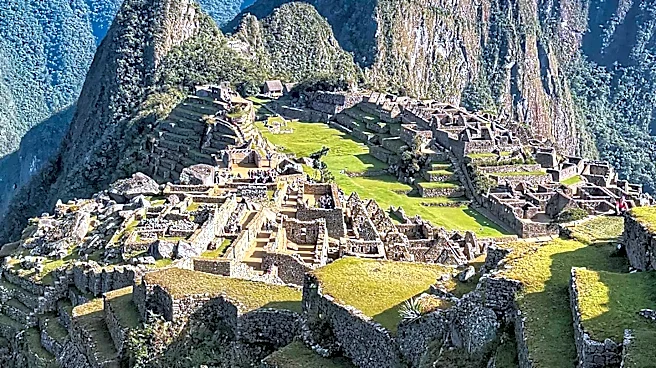
Machu Picchu, the ancient Incan city located high in the Andes, is highlighted as a premier bucket-list destination, according to a travel guide. The guide stresses that visiting this enigmatic landmark now demands significant advance planning. Unlike
in the past, travelers can no longer simply arrive without prior arrangements. Tickets are strictly limited, and access routes within the site are zoned. Furthermore, popular treks, such as the Inca Trail, often sell out months in advance. The site, built in the 15th century under Emperor Pachacutec, continues to be a subject of debate among experts regarding its original purpose, with theories ranging from a royal estate to a religious hub or a sacred retreat for the Incan elite. The guide advises travelers to purchase tickets on the official website well in advance, specifying a date, entry time slot, and circuit, as free-roaming is no longer permitted.
Why It's Important?
The stringent planning requirements for visiting Machu Picchu reflect a broader trend in managing access to globally significant historical and natural sites. This approach aims to preserve the integrity of the ancient city and its surrounding environment, which are vulnerable to the impacts of mass tourism. For U.S. travelers, this means a shift from spontaneous travel to meticulously organized itineraries, potentially increasing reliance on travel agencies or specialized tour operators. The limited availability and advance booking necessities could also drive up costs and reduce flexibility, impacting budget-conscious travelers or those with unpredictable schedules. The preservation efforts, while crucial for the site's longevity, necessitate a more structured and less accessible experience for visitors, underscoring the tension between tourism demand and conservation needs.
What's Next?
Prospective visitors to Machu Picchu will need to prioritize early booking for tickets, especially for popular circuits and during peak seasons (May-September). The guide suggests that a small number of tickets might be sold offline in Aguas Calientes the day before, but this is described as a risky 'hail Mary' option due to limited availability and long queues. Travelers should also be aware of the different circuits available, with Circuit 2 recommended for first-timers for its comprehensive coverage. The ongoing management of visitor flow and ticket allocation will likely continue to evolve, potentially leading to further restrictions or changes in access protocols to balance tourist experience with the site's preservation. Future updates to the official booking system and local regulations should be closely monitored by those planning a trip.
Beyond the Headlines
The evolving access rules for Machu Picchu underscore a global challenge faced by many iconic destinations: how to accommodate growing tourist numbers while safeguarding cultural heritage and natural ecosystems. The shift towards limited, timed, and circuit-based entry reflects a move away from unrestricted exploration, emphasizing controlled experiences. This model could become a blueprint for other over-touristed sites worldwide, leading to a more regulated and perhaps less spontaneous form of international travel. The debate over Machu Picchu's original purpose also highlights the enduring mystery and allure of ancient civilizations, prompting visitors to engage with the site not just as a tourist attraction but as a profound historical and cultural enigma. The need for serious planning also encourages a more thoughtful and respectful approach to visiting such sacred and historically rich locations.