


What's Happening?
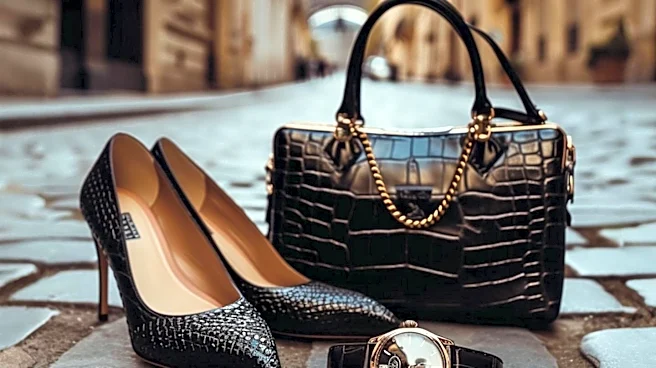
The luxury resale market is experiencing significant growth, with projections indicating it will expand two to three times faster than the primary market through 2027. This trend is largely driven by changing consumer habits, increased trust in authentication
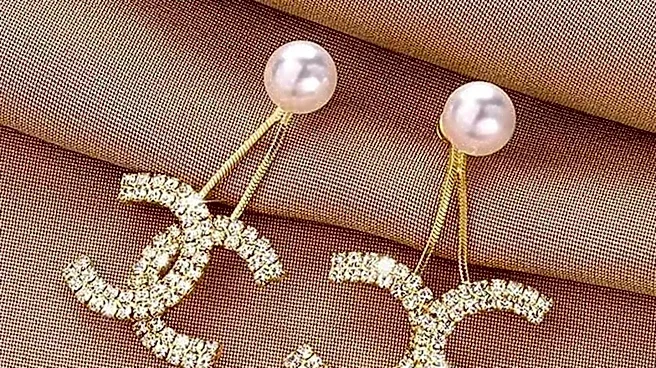
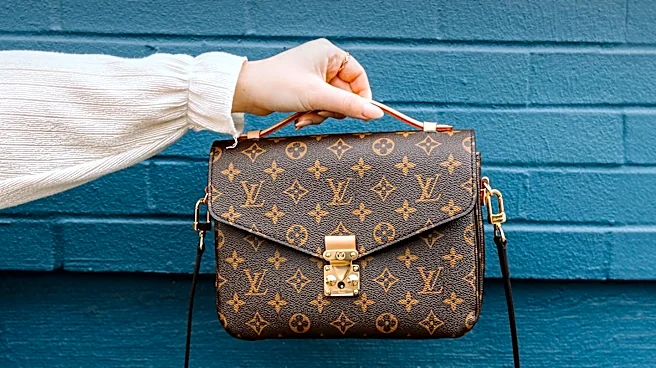
processes, and the convenience of digital platforms like Fashionphile. These platforms offer a 100% authenticity guarantee, making it appealing for consumers to purchase pre-owned luxury items. The market is dominated by iconic brands such as Hermès, Chanel, and Louis Vuitton, known for their timeless designs and strong resale value. Additionally, newer brands like The Row, Miu Miu, and Bottega Veneta are gaining popularity among younger shoppers.
Why It's Important?
The growth of the luxury resale market reflects broader shifts in consumer behavior, particularly among younger generations who value sustainability and unique fashion choices. This trend could impact traditional luxury retailers, as consumers increasingly turn to secondhand markets for high-end fashion. The rise of resale platforms also highlights the importance of digital innovation in retail, as these platforms provide a seamless shopping experience and build consumer trust through rigorous authentication processes. The luxury resale market's expansion could lead to increased competition and innovation within the fashion industry, as brands may need to adapt to changing consumer preferences.
What's Next?
As the luxury resale market continues to grow, traditional luxury brands may explore partnerships with resale platforms or develop their own resale channels to capture a share of this expanding market. Additionally, the focus on sustainability and circular fashion is likely to intensify, with consumers seeking more environmentally friendly shopping options. The success of resale platforms could also encourage other sectors within the fashion industry to adopt similar models, further transforming the retail landscape.