






What's Happening?
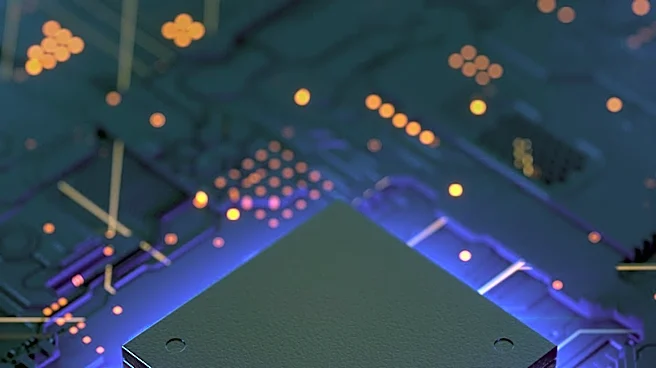
Onsemi has introduced its Embedded Power Platform (EPP), a groundbreaking technology that utilizes the silicon wafer itself as the package for power devices. This innovative approach integrates electrical, thermal, and mechanical design into a single
device, aiming to revolutionize power packaging for artificial intelligence (AI) infrastructure, electric vehicles (EVs), and industrial automation. The EPP embeds field-effect transistors, drivers, and controllers within a wafer-level architecture that combines silicon, silicon carbide (SiC), and gallium nitride (GaN). Onsemi claims this platform can achieve three to five times higher power density compared to conventional designs and significantly shorten development cycles to as little as four months. Subaru Corporation is among the first early engagement partners, with customer sampling expected later in 2026. For EV traction inverters, the EPP is projected to reduce power losses by 15% and enable a single inverter design across various power classes. An early EPP-based solid-state circuit breaker reportedly demonstrated a 50% smaller size and 20% cooler operation than existing designs.
Why It's Important?
This development by Onsemi holds significant implications for U.S. industries, particularly in the rapidly expanding sectors of electric vehicles and artificial intelligence. By fundamentally rethinking semiconductor packaging, the EPP could accelerate the adoption and efficiency of EVs by enabling more compact, powerful, and energy-efficient components for traction inverters. This could lead to longer EV ranges, faster charging, and more cost-effective manufacturing, directly impacting U.S. automotive manufacturers and consumers. In the AI sector, the increased power density and efficiency offered by EPP are crucial for managing the immense power demands of AI infrastructure, such as data centers and high-performance computing. This innovation could help U.S. tech companies develop more powerful and sustainable AI solutions, reducing operational costs and environmental impact. The shortened development cycles also mean faster innovation and time-to-market for new products, giving U.S. companies a competitive edge in these critical technological domains. The collaboration with Subaru also indicates the global relevance and potential for widespread adoption of this technology.
What's Next?
The immediate next step for Onsemi is the customer sampling of its Embedded Power Platform later in 2026, with Subaru Corporation already an early engagement partner. This phase will be crucial for validating the EPP's performance in real-world applications and gathering feedback from key industry players. Following successful sampling, Onsemi will likely move towards broader commercialization and integration of EPP into various products for the EV, AI, and industrial automation markets. We can expect to see more announcements regarding partnerships with other automotive manufacturers and technology companies as the platform gains traction. The long-term implications include a potential shift in how power systems are designed and manufactured across multiple industries, leading to a new foundation for AI infrastructure and electrification. This could also spur further research and development in advanced semiconductor materials and packaging techniques, driving continuous innovation in power electronics. The success of EPP could also influence industry standards and best practices for power management in high-demand applications.
Beyond the Headlines
Onsemi's Embedded Power Platform represents a deeper paradigm shift in semiconductor design, moving beyond incremental improvements to a fundamental re-evaluation of how power components are packaged and integrated. The concept of making the silicon wafer itself part of the system architecture blurs the traditional lines between semiconductor manufacturing and system-level design. This holistic approach could lead to unforeseen innovations in thermal management, electromagnetic compatibility, and overall system reliability, which are critical challenges in high-power applications like EVs and AI. Ethically, more efficient power electronics contribute to sustainability by reducing energy consumption and waste, aligning with global efforts to combat climate change. Economically, this innovation could create new market opportunities and intellectual property, potentially reshaping the competitive landscape for power semiconductor manufacturers worldwide. Culturally, the drive for smaller, more powerful, and more efficient devices reflects a broader societal demand for advanced technology that is both high-performing and environmentally responsible, pushing the boundaries of what is possible in modern electronics.