

What's Happening?
The concept of luxury is undergoing a significant transformation, shifting from an emphasis on material accumulation to a focus on space, freedom, and effortless living. According to Forbes India, Natasha Kochhar views contemporary luxury as quiet, uncluttered,
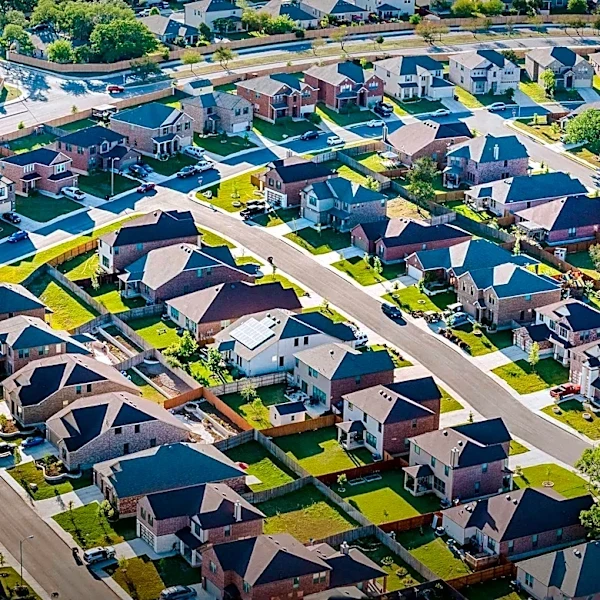
and effortless, prioritizing the ability to move freely and occupy space in diverse ways rather than the acquisition of numerous features and materials. This redefinition extends to architecture, where the relationship between built and unbuilt spaces is central to the experience. Goonmeet Singh Chauhan highlights the importance of balancing densification with 'rarification' in urban planning, advocating for selective application of density to preserve shared resources. Sandeep Chawla emphasizes shifting design briefs from mere room inventories to questions of openness and preservation, demonstrating how voids and open spaces can enhance the functionality and perception of a building. This approach suggests that doing less, in terms of construction, can actually lead to more effective and luxurious architectural outcomes.
Why It's Important?
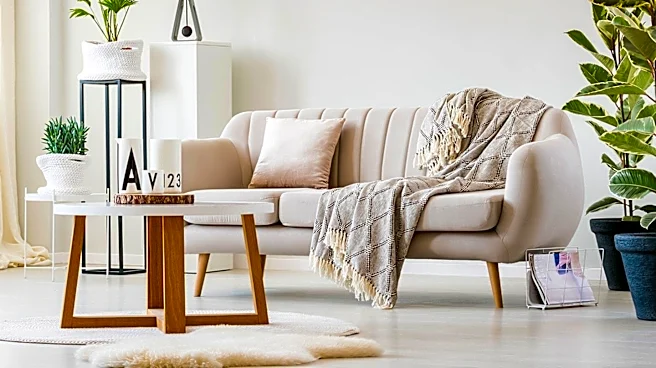
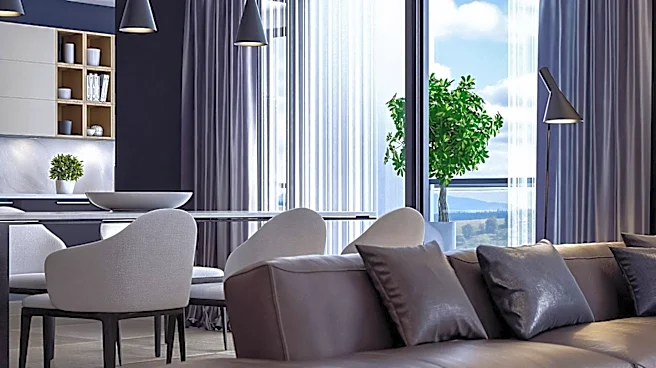
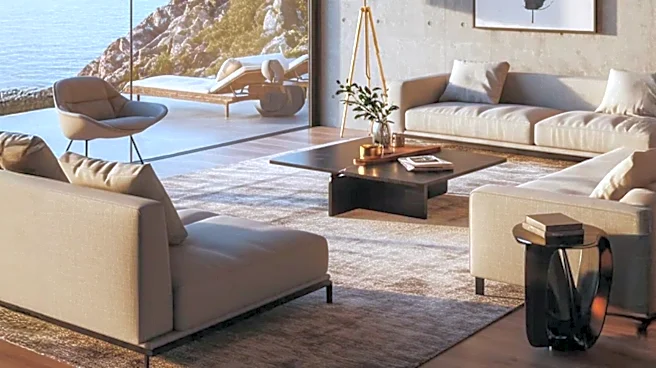
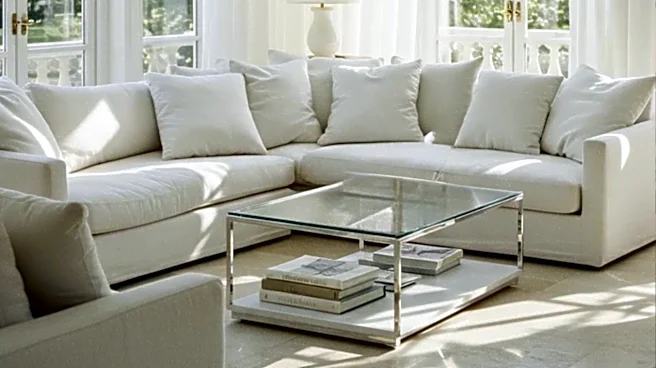
This evolving definition of luxury has profound implications for U.S. industries, particularly real estate, architecture, and interior design. Developers and architects who embrace this philosophy may find a competitive edge by offering properties that prioritize open plans, fluid circulation, and carefully positioned views over sheer square footage or an abundance of features. This could lead to a shift in consumer demand towards homes and workspaces that offer a sense of spaciousness and tranquility, potentially influencing property values and design trends. For consumers, it means a re-evaluation of what constitutes a 'luxury' purchase, moving away from ostentatious displays of wealth towards more subtle, experience-driven value. This shift also aligns with growing interests in well-being and mindfulness, as uncluttered spaces and freedom of movement contribute to a more serene living environment. Industries that can adapt to this new paradigm, focusing on quality of space and thoughtful design, stand to gain significantly.
What's Next?
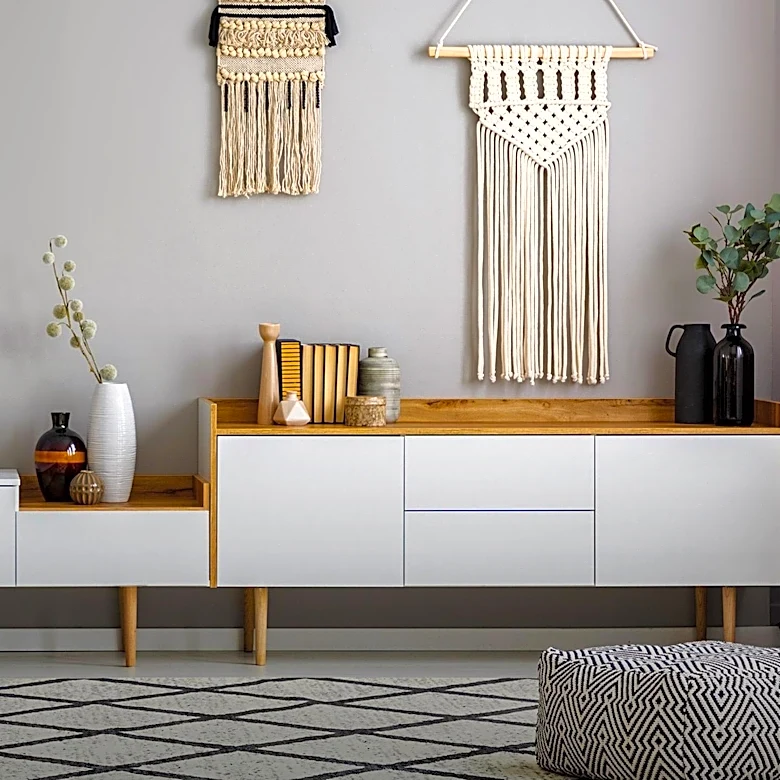
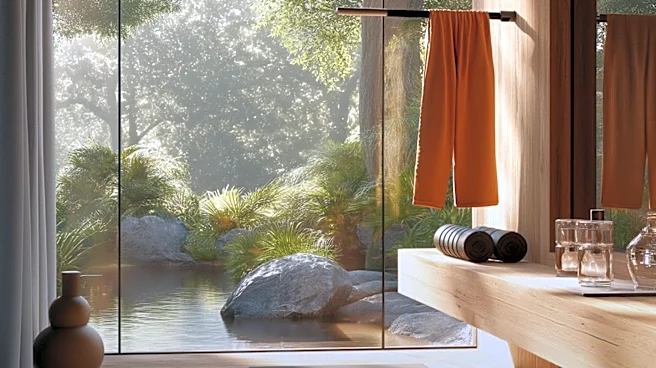
In the coming years, we can anticipate a greater emphasis on minimalist design principles and sustainable architecture that integrates open spaces and natural light. Real estate marketing will likely highlight features such as 'freedom of movement,' 'uncluttered living,' and 'connection to nature' as key selling points. Architects and urban planners may increasingly incorporate courtyards, terraces, and double-height volumes into their designs, even in limited spaces, to create a sense of generosity. This trend could also spur innovation in furniture design, favoring pieces that are versatile, light, and contribute to an open aesthetic. Furthermore, there might be a growing market for services that help individuals declutter and optimize their living spaces to align with this new luxury paradigm. The long-term impact could see a transformation in urban landscapes, with a greater focus on green spaces and less dense developments in certain areas, promoting a healthier and more balanced urban experience.
Beyond the Headlines
The redefinition of luxury as space and freedom touches upon deeper societal values, moving away from a consumerist culture driven by acquisition towards one that values experience and well-being. This shift has ethical implications, as it encourages more sustainable practices in construction and consumption, reducing the environmental impact associated with excessive material use. Culturally, it reflects a growing desire for simplicity and authenticity in an increasingly complex world. The idea that 'the void is neither absence nor wasted potential' challenges conventional notions of value and utility, promoting a more thoughtful approach to design and living. This philosophical underpinning suggests a long-term shift in how society perceives wealth and success, potentially leading to a more mindful and less materialistic way of life. It also highlights the importance of design in shaping human experience, demonstrating that well-designed spaces can profoundly impact mental and emotional well-being.