









What's Happening?
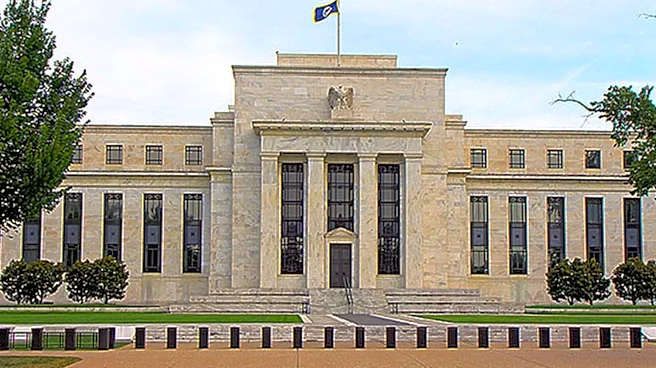
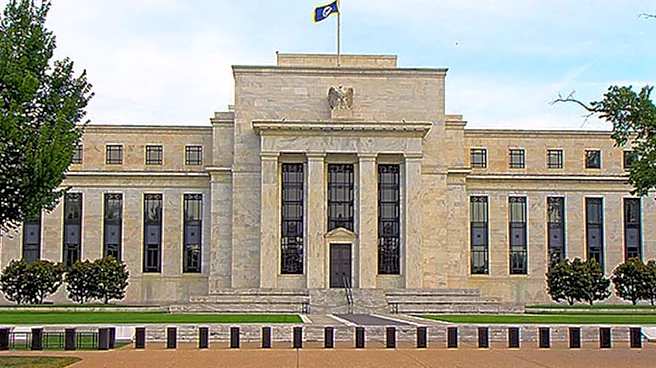
The International Monetary Fund (IMF) is planning to engage with central banks in the coming months regarding changes in their use of forward guidance on monetary policy. This initiative comes as central banks, including the Federal Reserve under its
new Chairman Kevin Warsh, are reconsidering the scope and modalities of forward guidance. Warsh has already initiated a review of the Fed's communication policy, aiming to reduce forward guidance. This move aligns with sentiments expressed by other central bank leaders, such as European Central Bank President Christine Lagarde and Bank of England Governor Andrew Bailey, who have also shown reservations about forward guidance. The IMF's Deputy Director of Research, Petya Koeva Brooks, emphasized the importance of central bank communications in the current uncertain economic environment, noting that while forward guidance has been useful, it is natural to revisit its application over time.
Why It's Important?
The IMF's engagement with central banks on forward guidance is significant as it reflects a broader shift in monetary policy communication strategies amid global economic uncertainties. Forward guidance has been a critical tool for central banks, especially during periods of low interest rates, to manage market expectations and provide clarity on future policy actions. However, as economic conditions evolve, the rigid nature of forward guidance may limit central banks' flexibility to respond to unforeseen economic developments. By revisiting this tool, central banks can better align their policies with real-time economic conditions, potentially leading to more effective monetary policy outcomes. This shift could impact financial markets, influencing investor behavior and economic stability.
What's Next?
As the IMF and central banks engage in discussions about forward guidance, potential changes in communication strategies could emerge. Central banks may adopt more flexible approaches, allowing them to adjust policies more dynamically in response to economic changes. This could lead to a period of adjustment for financial markets as they adapt to new forms of guidance. Stakeholders, including investors and policymakers, will be closely monitoring these developments to understand their implications for economic policy and market stability. The outcome of these discussions could set new precedents for how central banks communicate their policy intentions in the future.