

What's Happening?
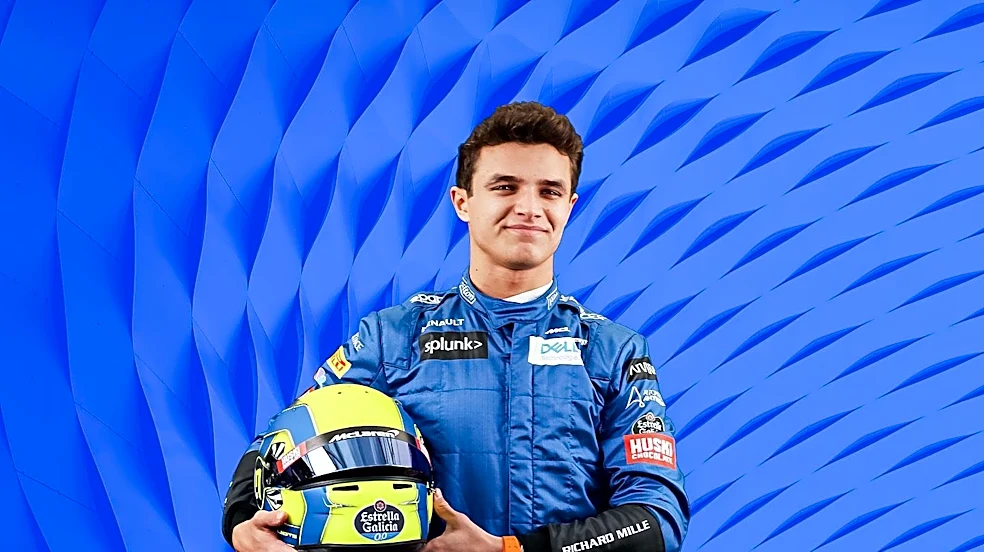
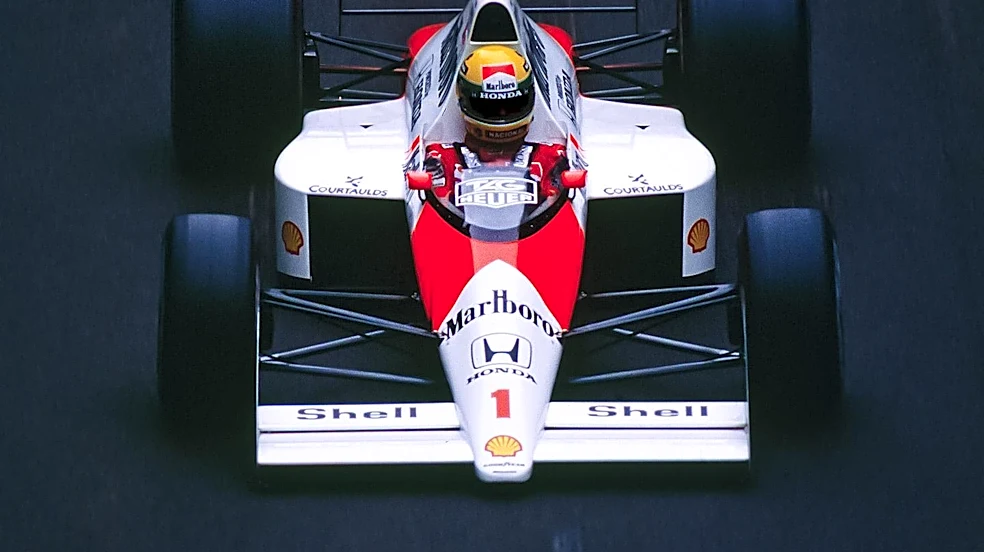
McLaren Racing has announced the sale of five historic Formula 1 cars, which include models previously driven by legendary racers such as Ayrton Senna, Jenson Button, and Lando Norris. These vehicles have been retained by McLaren since their last competitive
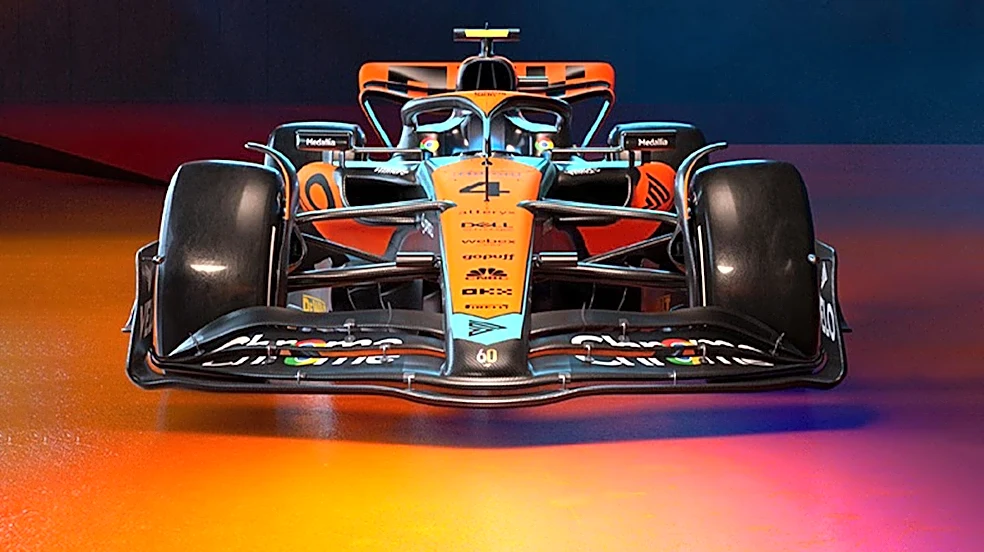
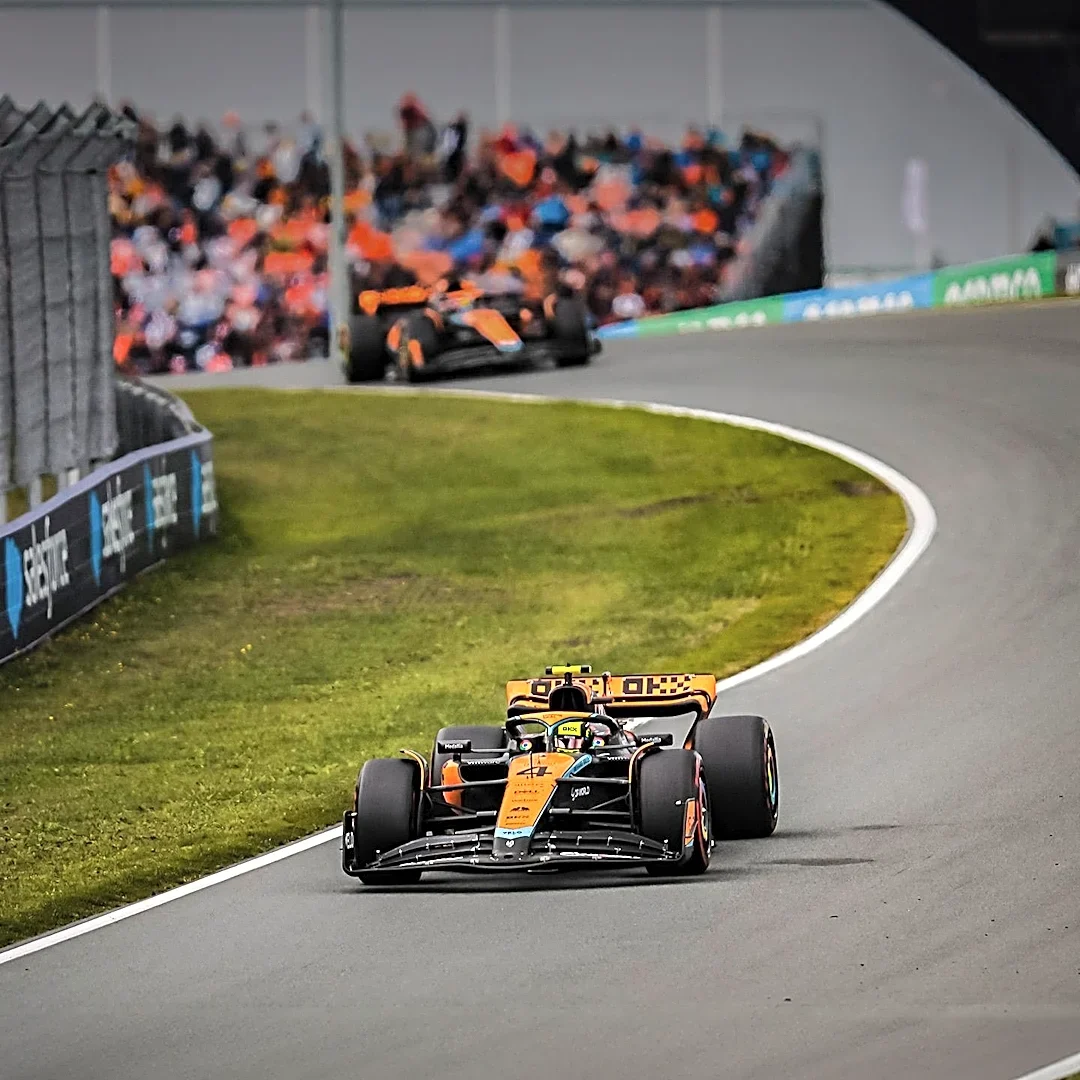
appearances and are now being offered individually, with prices available upon request. The collection features a 1991 MP4/6A, a 2012 MP4/27A, a 2021 MCL35M, and a 2023 MCL60. McLaren Racing CEO Zak Brown stated that the decision to sell these cars stems from the belief that they were built to be driven and raced, and should not remain in storage. This move aims to keep the team's history alive and its heritage business active. The sale is being handled by UK-based specialist dealer Tom Hartley Jnr, who previously managed the sale of Bernie Ecclestone's collection of 69 historic Grand Prix cars.
Why It's Important?
This sale represents a rare opportunity for collectors and enthusiasts to acquire significant pieces of Formula 1 history directly from the manufacturer. The cars offered span over three decades of McLaren's racing heritage, featuring vehicles that contributed to championship wins and iconic moments in the sport. For McLaren, the sale allows them to monetize assets that were previously in storage while ensuring these historic machines are maintained and enjoyed by private owners. This initiative also highlights McLaren's commitment to preserving its legacy by ensuring these cars remain active rather than static displays. The involvement of a reputable dealer like Tom Hartley Jnr underscores the high value and historical significance of these vehicles in the global motorsport market.
What's Next?
The five historic McLaren Formula 1 cars are currently available for individual purchase, with prices provided upon application. McLaren Racing technicians will prepare each car before handover to ensure they are in optimal condition for their new owners. The sale is expected to attract significant interest from high-net-worth collectors and motorsport enthusiasts worldwide, given the rarity and provenance of these vehicles. The process will likely involve careful vetting of potential buyers to ensure the cars find appropriate homes where their historical significance will be respected and preserved. This sale could also set a precedent for other Formula 1 teams to consider similar strategies for their heritage collections.
Beyond the Headlines
The decision to sell these iconic Formula 1 cars reflects a broader trend in the motorsport world where teams are increasingly looking to leverage their historical assets. Beyond the financial aspect, this move by McLaren emphasizes a philosophical shift from static preservation to active enjoyment of racing heritage. It raises questions about the role of private collectors in maintaining motorsport history and the balance between commercial interests and historical stewardship. The sale also underscores the enduring appeal and value of Formula 1 memorabilia, particularly cars driven by legendary figures, transforming them from mere machines into tangible pieces of sporting legend. This could also influence how other racing teams manage their own historical car collections in the future.