





What's Happening?
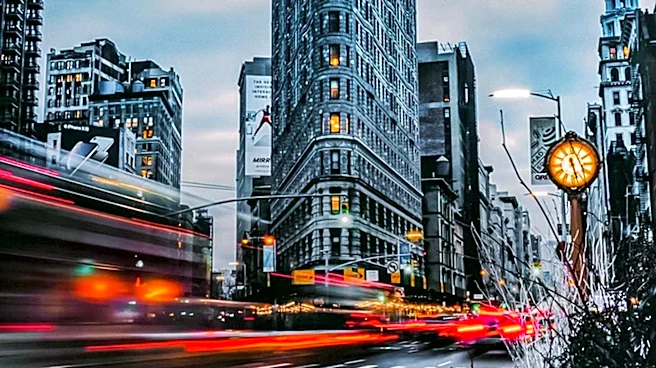
New York City's iconic Flatiron Building has officially opened its doors to residents for the first time in its 124-year history, following an extensive conversion from commercial offices to luxury condominiums. The Brodsky Organization announced that
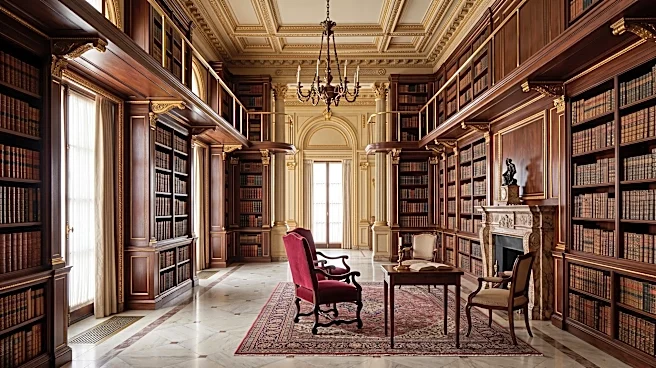
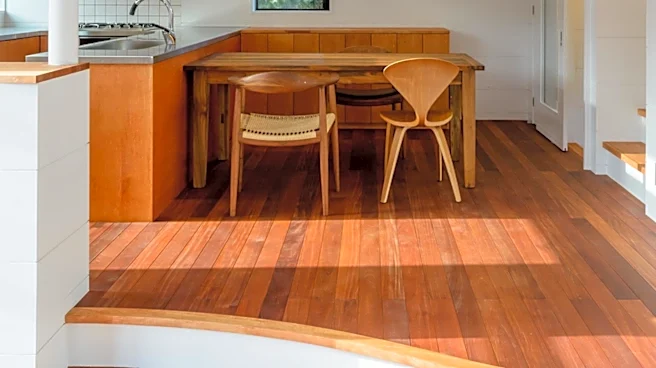
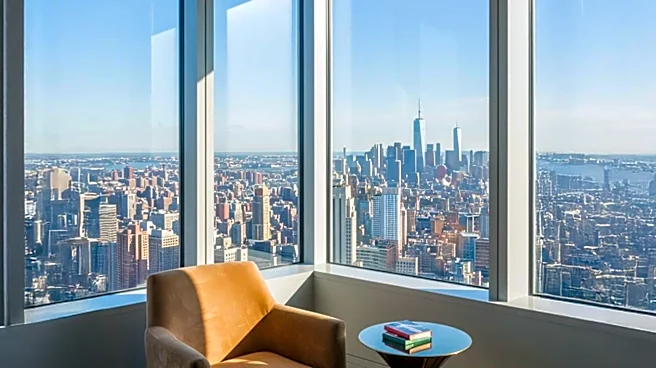
closings have commenced at the triangular landmark at 175 Fifth Avenue, with residents beginning to move into 36 new homes. The multi-year restoration project involved replacing over 1,000 windows and meticulously restoring thousands of terra-cotta fixtures. Interiors, designed by William Sofield’s Studio Sofield, incorporate historic elements and modern amenities, including private elevator-entry vestibules, high-end kitchens, and advanced lighting systems. The building, originally completed in 1902 as the Fuller Building, has never before been used for residential purposes.
Why It's Important?
The conversion of the Flatiron Building into residential units marks a significant shift in the use of historic commercial properties in major U.S. cities, particularly in New York City's competitive real estate market. This project demonstrates a trend towards repurposing iconic structures to meet evolving urban needs, transforming former office spaces into high-value residential living. The introduction of luxury condominiums in such a landmark building caters to a niche market seeking unique historical residences with modern comforts and amenities. This development could set a precedent for similar conversions of aging commercial buildings, contributing to urban revitalization and diversifying housing options in prime locations. It also highlights the economic viability of investing in extensive historical preservation combined with contemporary design to attract affluent buyers.
What's Next?
With residents now moving into the Flatiron Building, the success of this luxury condominium conversion will likely be closely watched by real estate developers and urban planners. The building is also slated to welcome Bar Pisellino, a new restaurant, in 2027, further integrating commercial and residential uses within the landmark. The high price points for the remaining residences, starting at $14.85 million, indicate a strong demand for exclusive, historically significant properties. This project could inspire further adaptive reuse of commercial buildings in New York City and other urban centers, especially as remote work trends continue to impact traditional office markets. The meticulous restoration and integration of modern amenities will serve as a case study for future preservation and development efforts.
Beyond the Headlines
The Flatiron Building's transformation transcends a mere real estate transaction; it represents a cultural and architectural evolution. For over a century, the building has been a symbol of New York City's commercial prowess and architectural innovation. Its conversion to residential use signifies a re-imagining of urban living, where historical grandeur meets contemporary luxury. This development also touches upon the broader theme of urban density and the creative solutions employed to maximize space and value in densely populated areas. The legal battle among former owners that preceded the conversion highlights the complex financial and ownership structures often involved in landmark properties. The project's emphasis on preserving historical details while integrating advanced technology also underscores a growing appreciation for heritage combined with modern living standards.