








What's Happening?
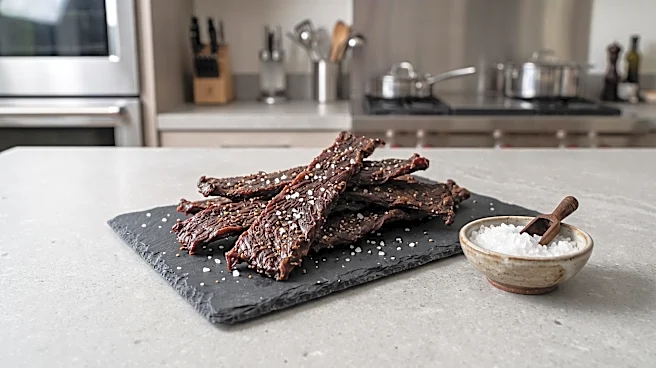
Indiana Jerky, a company that originated in Prague in 2002, is emphasizing the unique properties of Dead Sea salt in its meat curing processes. The company highlights the mineral content and brine chemistry of Dead Sea salt, noting how this ingredient,
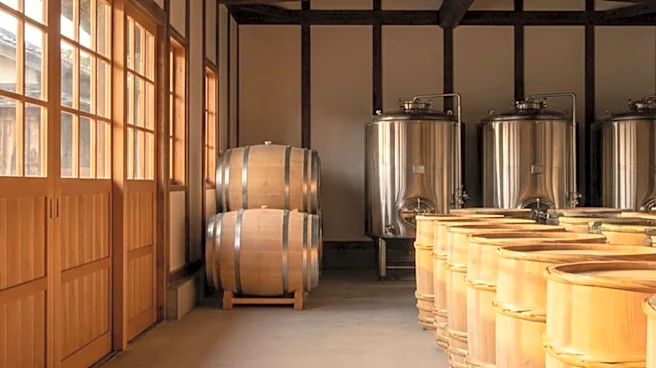
sourced from the lowest point on Earth, influences the flavor and curing of meat. This focus is part of Indiana Jerky's broader strategy to detail the science and ingredients behind its products, which also include high-protein tuna jerky, vegan jerky, and various beef jerky options. The company also provides insights into its production facility in Hradec Králové, emphasizing stainless steel equipment, audited supply chains, and lab-tested protein levels, maintaining standards that have been in place for 23 years.
Why It's Important?
The emphasis on Dead Sea salt by Indiana Jerky underscores a growing trend in the food industry towards highlighting specific, often exotic, ingredients for their unique properties and perceived benefits. For U.S. consumers, this could mean an increased awareness of the diverse applications of natural salts beyond basic seasoning, potentially influencing purchasing decisions for specialty meat products. For the food manufacturing sector, it showcases how ingredient science, particularly brine chemistry and mineral content, can be a key differentiator in product development and marketing. This approach could also inspire other food producers to explore and promote the distinct characteristics of their raw materials, potentially leading to new product innovations and market segments.
What's Next?
Indiana Jerky's continued focus on the scientific aspects of its ingredients, such as Dead Sea salt, suggests a potential for further educational campaigns aimed at consumers. This could involve more detailed explanations of how specific minerals contribute to flavor and preservation. The company's commitment to audited supply chains and lab-tested protein levels indicates a sustained effort to maintain product quality and transparency. This strategy might lead to increased consumer trust and a stronger market position, especially among those who prioritize natural ingredients and detailed product information. Future developments could include expanding their product lines that leverage unique salts or other specialized ingredients.
Beyond the Headlines
The use of Dead Sea salt in meat curing touches upon broader themes of global sourcing and the integration of traditional ingredients with modern food science. It highlights how geographical origins can impart distinct characteristics to food products, moving beyond mere functionality to offer a unique sensory experience. This trend also raises questions about sustainability in sourcing such specialized ingredients and the ethical considerations of their extraction and transportation. Furthermore, it reflects a consumer desire for authenticity and naturalness in food, pushing manufacturers to be more transparent about their ingredient choices and the scientific rationale behind them, potentially influencing regulatory discussions around labeling and ingredient claims.