







What's Happening?
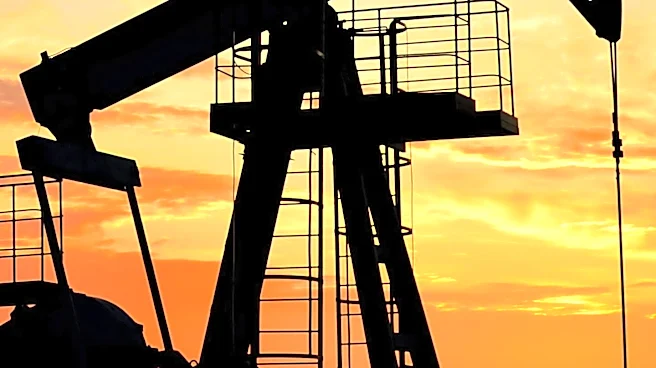
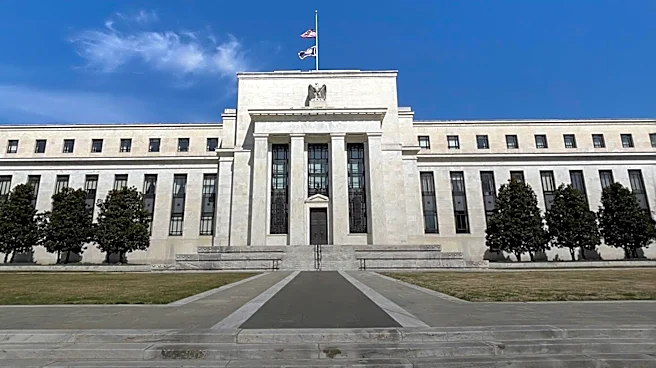
Federal Reserve Bank of New York President John Williams has expressed confidence that energy prices will not experience a sustained increase, despite renewed conflict in the Middle East. Speaking at a conference, Williams noted that market expectations
suggest oil prices will decline over the next six to twelve months. His comments come amid discussions within the Federal Reserve about potential changes to interest rate management and the central bank's balance sheet. Williams emphasized the importance of maintaining financial system stability, even as some propose reducing the Fed's balance sheet to allow financial institutions to hold less emergency cash.
Why It's Important?
Williams' outlook on energy prices is significant as it influences the Federal Reserve's monetary policy decisions, particularly in the context of inflation and interest rates. Stability in energy prices could alleviate inflationary pressures, reducing the need for aggressive interest rate hikes. However, the ongoing Middle East conflict poses a risk to this outlook, potentially affecting global energy supply and prices. The Fed's approach to managing its balance sheet and interest rates will be crucial in maintaining economic stability, with implications for financial markets and consumer confidence.
What's Next?
The Federal Reserve will continue to monitor developments in the Middle East and their impact on energy prices. The upcoming Federal Open Market Committee meeting may address these issues, with potential adjustments to interest rates and balance sheet strategies. Stakeholders, including financial institutions and policymakers, will be attentive to the Fed's decisions, as they could influence borrowing costs and economic growth. The Fed's commitment to financial stability will guide its actions, balancing the need for liquidity with the risks of inflation and market volatility.