








What's Happening?
The global market for cold therapy in pain management is anticipated to experience substantial growth, with a projected compound annual growth rate (CAGR) of 12% between 2026 and 2033. This expansion is driven by increasing awareness of non-invasive pain relief
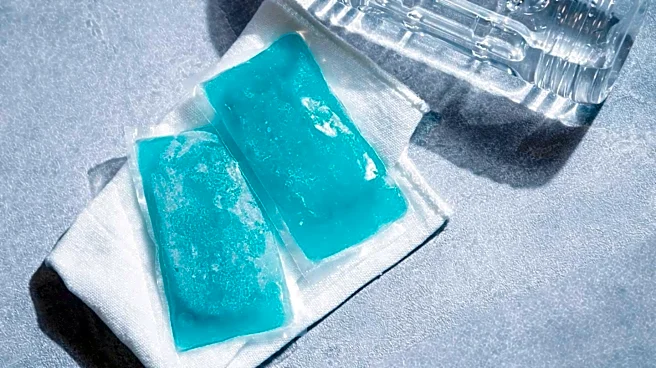
options and a rising prevalence of chronic pain conditions. Technological advancements in delivery systems and product innovation are further propelling market growth. Cold therapy, also known as cryotherapy, is widely utilized for pain management in various applications, including musculoskeletal disorders, sports medicine, post-operative care, and post-trauma therapy. The market is segmented into over-the-counter (OTC) products like ice packs and gels, and prescription products such as specialized cold therapy units. The growing demand for non-invasive solutions is leading to increased consumer interest and product innovation in this sector.
Why It's Important?
The projected growth of the cold therapy market signifies a broader shift in healthcare towards non-invasive and patient-centered pain management strategies. This trend is important for the U.S. healthcare industry as it indicates a growing demand for alternatives to traditional medication, potentially reducing reliance on pharmaceuticals and their associated side effects. For consumers, this means more accessible and diverse options for managing acute and chronic pain, improving quality of life. The emphasis on technological advancements and product innovation within the market suggests a competitive landscape where companies are investing in research and development to meet evolving patient needs. This could lead to more effective and convenient cold therapy solutions, benefiting athletes, individuals with chronic conditions like arthritis, and those recovering from surgery or trauma.
What's Next?
The cold therapy market is expected to continue its robust growth, driven by several innovative factors. These include the increasing prevalence of chronic pain conditions and a sustained preference for non-invasive pain management. Future developments will likely focus on advancements in product design and materials, such as the integration of smart technologies and wearable devices to enhance user experience and efficacy. Emerging trends point towards personalized cold therapy solutions, tailoring treatments to individual needs, which could further accelerate market expansion. The growing popularity of e-commerce platforms is also expected to make cold therapy products more accessible to a wider consumer base. Additionally, cutting-edge deployment methods, including portable and rechargeable cold therapy devices, are transforming traditional applications and encouraging more frequent use, positioning the market for substantial growth.
Beyond the Headlines
Beyond the immediate market growth, the increasing adoption of cold therapy reflects a broader societal interest in wellness and recovery, often influenced by social media trends. While the market is expanding based on scientific evidence for muscle recovery and pain reduction, there's a need to distinguish between scientifically supported applications and exaggerated claims regarding longevity, immunity, or general health. The emphasis on non-invasive treatments also highlights a growing consumer desire for natural or less pharmaceutical-dependent approaches to health. This trend could influence public health policies and insurance coverage for alternative therapies. Furthermore, the integration of advanced technologies into cold therapy devices suggests a future where personalized, data-driven wellness solutions become more commonplace, potentially blurring the lines between medical treatment and lifestyle enhancement.