



What's Happening?
A new tourism trend, dubbed 'townsizing,' is gaining traction, with travelers increasingly choosing small towns and villages over large metropolitan areas for their vacations. This shift is driven by a desire for more authentic and laid-back experiences,
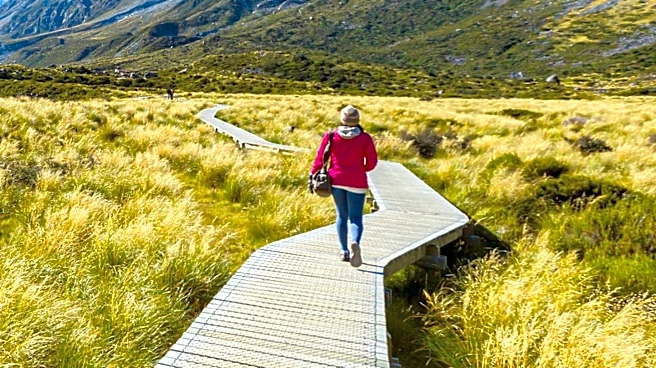
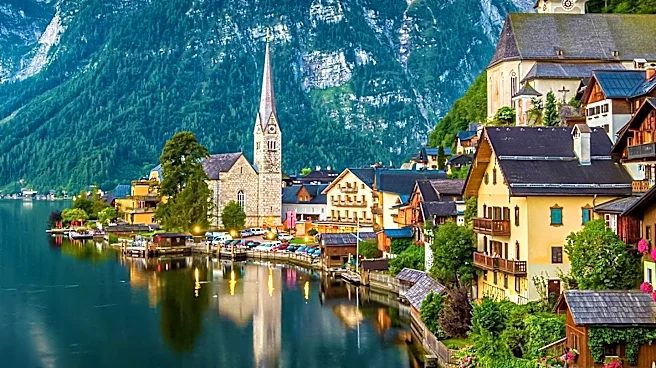
moving away from the hustle and bustle of major cities. The concept is closely linked to 'quietcations' and 'hushpitality,' which emphasize tranquil environments, intimacy, and relaxation. This trend is particularly favored by younger generations, such as Gen Z, who are seeking to counteract corporate burnout and digital fatigue. Instead of crowded attractions and busy schedules, townsizing tourists are looking for destinations that offer a slower pace of life, local traditions, authentic cuisine, and natural landscapes. Traditional villages, secluded guesthouses, historic small towns, and rural destinations are poised to benefit significantly from this evolving preference in travel.
Why It's Important?
The rise of 'townsizing' has significant implications for the U.S. tourism industry and local economies. Large cities, which have historically been major tourist hubs, may see a redistribution of visitor traffic. Conversely, smaller towns and rural areas, often overlooked by mass tourism, stand to gain substantial economic benefits. This trend could lead to increased revenue for local businesses, including small hotels, restaurants, and artisanal shops, fostering economic growth in regions that might otherwise struggle. It also presents an opportunity for these communities to showcase their unique cultural heritage and natural beauty, attracting a new demographic of travelers seeking immersive experiences. However, it also necessitates that these smaller destinations develop sustainable tourism practices to manage potential increases in visitor numbers without compromising their charm or environmental integrity. The shift reflects a broader societal desire for well-being and a break from the constant demands of modern life, influencing how travel destinations market themselves and develop their offerings.
What's Next?
As 'townsizing' continues to grow, destinations across the U.S. are likely to adapt their tourism strategies. Small towns and rural areas will need to enhance their infrastructure and services to accommodate an influx of visitors while preserving their unique character. This could involve developing more boutique accommodations, promoting local culinary experiences, and creating guided tours that highlight regional traditions and natural attractions. Marketing efforts will likely focus on the tranquility, authenticity, and slower pace of life offered by these locations, appealing to travelers seeking 'quietcations' and 'hushpitality.' Furthermore, there may be an increased emphasis on sustainable tourism practices to ensure that the growth in visitor numbers benefits local communities and environments without leading to over-tourism. The hospitality sector, including hotels and guesthouses, will also need to innovate, offering amenities and experiences tailored to guests prioritizing rest, relaxation, and a deeper connection with their surroundings.
Beyond the Headlines
The 'townsizing' trend points to a deeper cultural shift in how individuals perceive leisure and well-being. It highlights a growing disillusionment with the fast-paced, hyper-connected modern lifestyle and a yearning for simplicity and genuine connection. This movement extends beyond mere travel preferences, reflecting a broader societal re-evaluation of priorities, where mental and emotional health are increasingly valued. The ethical implications include the potential for gentrification in charming small towns if not managed carefully, as increased tourism can drive up living costs for local residents. On the other hand, it offers a chance for cultural preservation, as local traditions and crafts gain renewed appreciation from visitors. This trend could also foster a greater appreciation for regional diversity and local economies, encouraging travelers to invest in communities that offer unique, non-commercialized experiences, thereby promoting a more equitable distribution of tourism benefits across different regions.