








What's Happening?
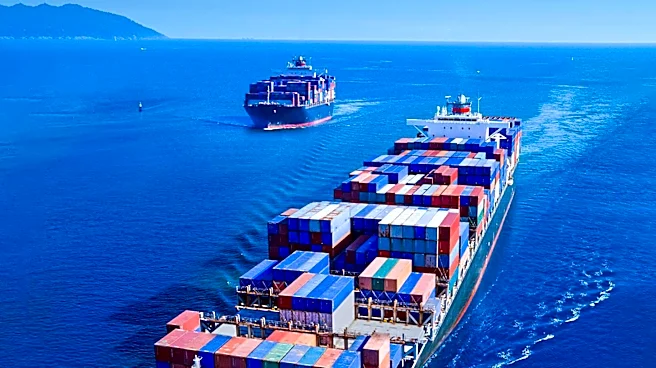
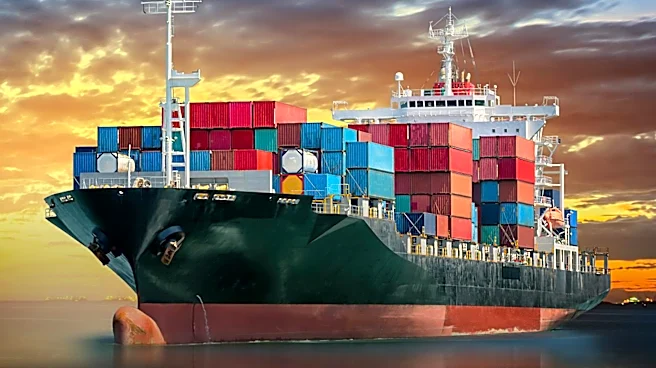
U.S. retailers are bracing for September to be the busiest month of the year for imports, according to the National Retail Federation. This surge is attributed to a strong peak shipping season, compounded by vessel delays in China and draft restrictions
in the Panama Canal. These factors are pushing robust import volumes into the early fall. The maritime sector, particularly trans-Pacific routes, is experiencing significant activity as retailers work to stock shelves. The confluence of these issues suggests a sustained period of high demand and potential strain on port operations and logistics networks. The forecast indicates that the usual peak season, which typically winds down, is extending with considerable momentum, leading to increased pressure on the entire supply chain.
Why It's Important?
This anticipated surge in imports has significant implications for the U.S. economy and consumers. A sustained high volume of goods entering the country can lead to increased congestion at U.S. ports, potentially causing further delays and higher shipping costs. For retailers, this means a continued need to manage inventory carefully and potentially absorb elevated logistics expenses, which could eventually be passed on to consumers through higher prices. The situation also highlights the fragility of global supply chains, demonstrating how disruptions in one region (like vessel delays in China) or chokepoints (like the Panama Canal) can have a cascading effect on international trade and domestic markets. Businesses reliant on timely imports, from electronics to apparel, will need to adapt to these ongoing challenges to maintain product availability and customer satisfaction.
What's Next?
In the immediate future, U.S. ports and logistics providers will need to manage the increased influx of cargo efficiently to prevent severe bottlenecks. Retailers will likely continue to employ strategies such as diversifying sourcing, pre-ordering inventory, and exploring alternative shipping routes to mitigate risks. The ongoing vessel delays and Panama Canal restrictions suggest that these supply chain pressures may persist beyond September, potentially impacting holiday season preparations. Stakeholders will be closely monitoring port efficiency, shipping rates, and consumer demand to adjust their operations accordingly. The situation may also prompt further investment in port infrastructure and domestic logistics capabilities to enhance resilience against future disruptions.
Beyond the Headlines
The persistent challenges in maritime shipping and port operations underscore a broader need for long-term strategic planning in global trade. The reliance on just-in-time inventory systems, while efficient in stable times, proves vulnerable during periods of disruption. This situation could accelerate a shift towards more resilient supply chain models, including nearshoring or reshoring production, and building greater inventory buffers. Furthermore, it highlights the environmental implications of increased shipping activity and potential detours, contributing to higher emissions. The economic impact extends beyond direct costs, affecting labor markets in logistics and retail, and potentially influencing inflation rates. The ongoing situation serves as a critical reminder of the interconnectedness of global economies and the imperative for robust, adaptable trade infrastructure.