


What's Happening?
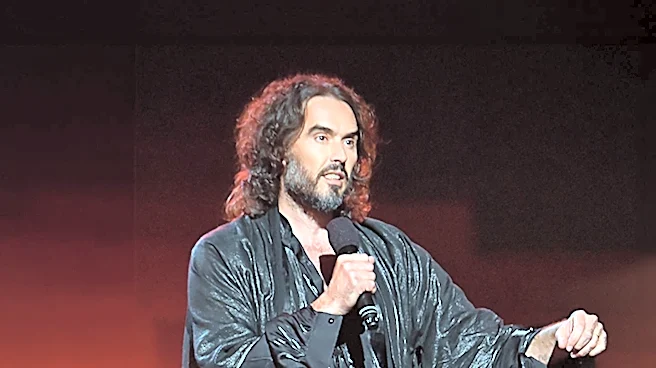
Netflix is facing significant criticism for its decision to keep Russell Brand's stand-up special, 'Russell Brand: Re:Birth,' in its catalog following his conviction for rape and sexual assault. Brand was sentenced to 10 years and six months in prison
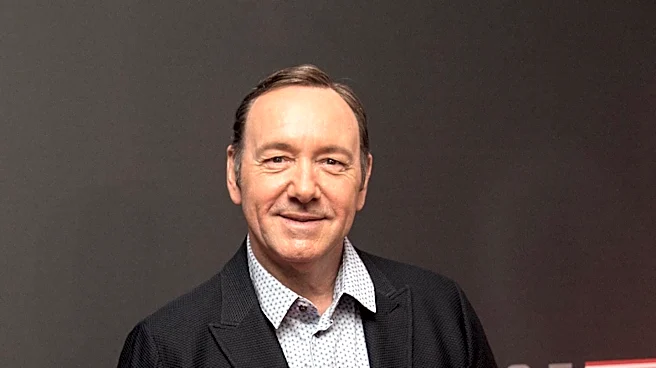
after being found guilty of one count of rape and three counts of sexual assault involving four women between 2004 and 2009. While Netflix has stopped promoting the special and reportedly hidden it from search results, its public title page remains accessible. This decision has sparked a divided reaction among subscribers, with many calling for its complete removal, citing Netflix's past actions regarding other controversial figures. Critics have drawn parallels to Netflix's handling of Kevin Spacey, who was removed from 'House of Cards' and had a film shelved after sexual misconduct allegations surfaced in 2017. Unlike Brand's special, which had been in Netflix's catalog for nearly eight years, Spacey's projects were either in production or post-production when Netflix made its decision.
Why It's Important?
This situation highlights the complex ethical and business challenges streaming platforms face when content creators are involved in serious legal controversies. Netflix's decision to retain Brand's special, even with reduced visibility, raises questions about corporate responsibility, artistic freedom, and the potential for perceived double standards in content moderation. The comparison to Kevin Spacey's case underscores the public's expectation for consistent application of content policies, especially concerning allegations of sexual misconduct. For Netflix, the backlash could impact its brand reputation and subscriber trust, particularly among those who advocate for stricter accountability for individuals convicted of serious crimes. The debate also touches on the broader issue of whether platforms should remove content by convicted individuals, especially if those individuals continue to profit from it through residuals, as some readers have questioned.
What's Next?
The immediate future will likely see continued public debate and pressure on Netflix regarding its content policies. While Netflix has indicated that giving subscribers control over what they watch is a factor in its decision, the ongoing backlash may force the company to re-evaluate its stance or provide further clarification. Other media organizations, such as the BBC, have already taken action by editing out references to Brand from past programs and removing his content from their platforms. This divergence in responses among major media entities could lead to increased scrutiny of industry-wide standards for handling content associated with convicted individuals. Stakeholders, including advocacy groups and subscribers, will likely continue to monitor Netflix's actions and potentially escalate calls for the complete removal of Brand's special.
Beyond the Headlines
This controversy delves into deeper implications concerning the 'cancel culture' phenomenon and the long-term impact of personal conduct on an artist's work and legacy. It forces a re-examination of whether art can or should be separated from the artist, especially when the artist is convicted of severe offenses. The differing approaches by Netflix and other broadcasters like the BBC also highlight a lack of a unified industry standard, which could lead to inconsistent outcomes and public confusion. Furthermore, the discussion around residuals and ongoing financial benefits for convicted individuals from their past work raises ethical questions about profiting from content created by those who have committed serious crimes. This case could contribute to evolving legal and ethical frameworks for content platforms, potentially influencing future decisions on how to manage content from individuals facing or convicted of serious allegations.