






What's Happening?
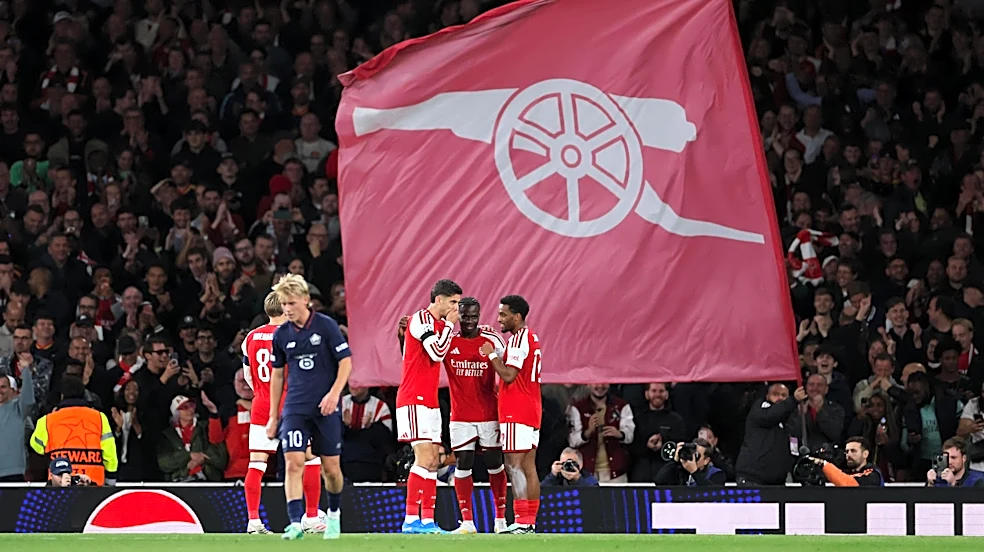
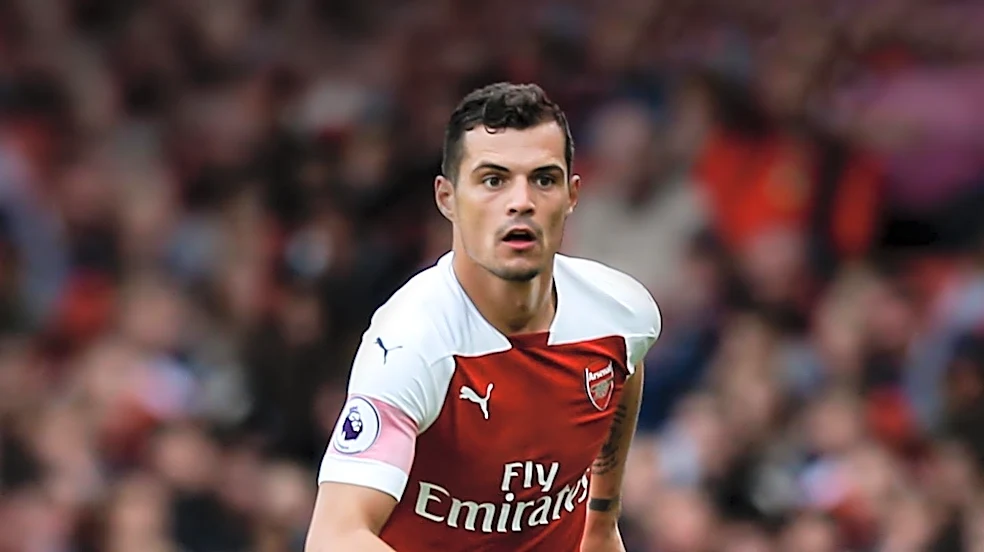
Arsenal has distinguished itself as the Premier League's most hard-working team under manager Mikel Arteta, consistently covering more ground than any other club. According to FotMob data, Arsenal players run an average of 119.4 km per match, nearly a full
kilometer more than the second-highest team. This high-intensity approach is credited as a fundamental aspect of their defensive strength, enabling them to press effectively and rapidly transition into defensive shapes. While this strategy has contributed to their strong defensive record, some analysts suggest it could become a detriment over the course of a long season. Many of Arsenal's top-tier rivals, including Manchester City, Liverpool, Manchester United, Tottenham, and Chelsea, rank significantly lower in distance covered per match, indicating that high mileage does not directly correlate with success among leading clubs. This disparity raises questions about the sustainability of Arsenal's current physical demands on its players.
Why It's Important?
This high-intensity playing style, while currently a strength for Arsenal, carries significant implications for player welfare and long-term team performance. The demanding physical output required each match could lead to increased fatigue and a higher risk of injuries as the season progresses, potentially impacting the team's ability to maintain peak performance in crucial later stages. Historically, teams that push their physical limits extensively can experience burnout, which might explain why Arsenal has faced challenges in sustaining their form throughout an entire season in the past. If key players are sidelined due to exhaustion or injury, it could derail their title aspirations and affect their competitiveness in multiple competitions. For other clubs, Arsenal's approach serves as a case study in balancing tactical intensity with player longevity, prompting a re-evaluation of how physical exertion contributes to overall success versus potential long-term drawbacks.
What's Next?
Mikel Arteta may need to consider adjusting his team's training and match-day strategies to mitigate the risks associated with their high-intensity play. This could involve more rotation of players, strategic resting during less critical matches, or modifying their pressing schemes to conserve energy. The club's medical and sports science departments will likely be under increased scrutiny to monitor player fatigue and recovery rates closely. If Arsenal continues with its current approach, observers will be watching to see if the team can maintain its physical output without succumbing to burnout or a surge in injuries, particularly during the demanding winter schedule and the latter half of the season. The performance of rival teams, which employ less physically demanding styles but still achieve success, might also influence future tactical decisions at Arsenal.
Beyond the Headlines
The debate around Arsenal's high-mileage approach extends beyond immediate results, touching upon modern football's evolving understanding of player physiology and tactical sustainability. It highlights a philosophical divide between managers who prioritize relentless physical output and those who emphasize efficiency and strategic conservation of energy. This situation could spark broader discussions within sports science about the optimal balance between physical exertion and performance longevity in elite football. Furthermore, it raises ethical considerations regarding player welfare, as pushing athletes to their physical limits consistently could have long-term health implications. The outcome of Arsenal's season, whether successful or hampered by fatigue, could influence coaching methodologies across the sport, prompting a re-evaluation of what constitutes a sustainable and effective playing style in the increasingly demanding landscape of professional football.