





What's Happening?
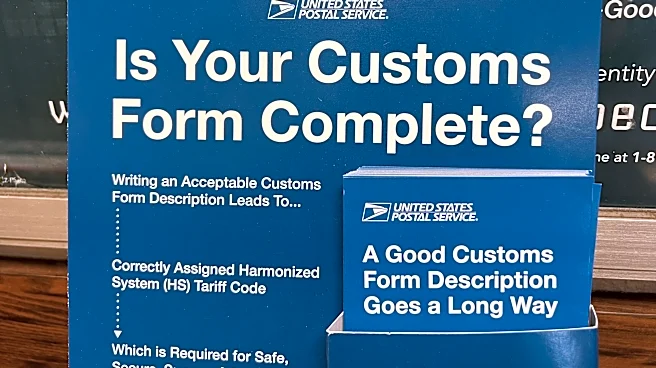
In 2025, the United States implemented significant changes to its 'de minimis' framework, tightening duty-free thresholds for imported goods. This overhaul brings a broader range of cross-border shipments under the formal scope of standard customs and taxation.
Historically, 'de minimis' rules allowed low-value goods to enter the country with minimal customs friction and zero duty, acting as a major catalyst for global e-commerce growth. However, as the volume of low-value parcels surged, regulators worldwide, including in the U.S., began reassessing these frameworks. The shift aims to protect domestic industries, ensure product safety, and address concerns from tax authorities regarding lost duty revenues. This regulatory tightening is not an isolated event but part of a global trend, with similar measures being adopted in the EU and several Asian markets.
Why It's Important?
This policy shift has substantial implications for U.S. businesses and consumers involved in cross-border e-commerce. For many operators, the practical effects include increased costs, longer clearance timelines, and a greater administrative burden. Businesses that built their models around duty-free access are now compelled to fundamentally reassess their logistics and pricing structures. Domestic industries in the U.S. stand to benefit from a more level playing field, as the previous 'de minimis' rules were often seen as creating an unfair competitive advantage for foreign sellers. Consumers may experience higher prices for imported low-value goods and potentially longer delivery times. The move also reflects a broader policy objective to enhance regulatory oversight of cross-border e-commerce, aligning it with consumer protection and compliance standards.
What's Next?
The tightening of 'de minimis' exemptions signals a new era for U.S. e-commerce, where regulatory compliance will be a baseline for market entry rather than duty exemptions. Businesses will need to invest in optimizing their supply chains and developing robust strategies to navigate complex international trade requirements efficiently. This could lead to a consolidation in the e-commerce sector, favoring larger companies with the resources to adapt to these new regulations. Furthermore, the U.S. government may continue to refine its approach to cross-border trade, potentially influencing other nations to follow suit. The long-term impact will likely involve a more standardized global trade environment, with increased scrutiny on the origin and safety of imported goods.
Beyond the Headlines
The shift away from the 'de minimis' era highlights a fundamental re-evaluation of global trade policies in response to the rapid expansion of e-commerce. Beyond economic implications, this move touches upon issues of national sovereignty, fair competition, and consumer protection. It underscores a growing sentiment among governments to reclaim control over their borders and economies in the digital age. The ethical dimension involves balancing the benefits of free trade with the need to protect local businesses and ensure product quality and safety. This regulatory evolution could also spur innovation in logistics and supply chain management as companies seek new ways to maintain profitability and market share under stricter rules, potentially leading to more resilient and transparent global trade networks.