


What's Happening?
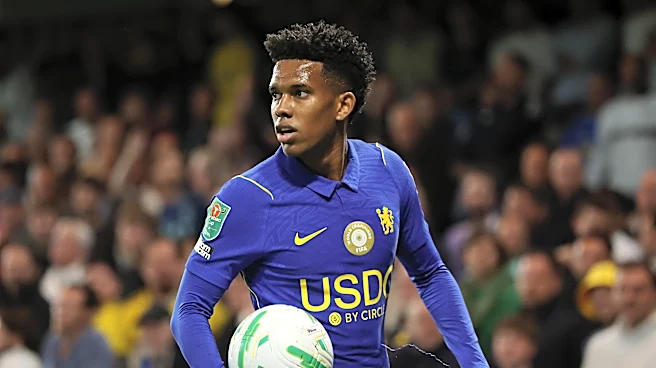
JJ Gabriel, a highly-rated 15-year-old talent in Manchester United's academy, has reportedly reversed his decision to leave the club. Earlier this month, Gabriel had cleared his Instagram account and expressed a desire to terminate his registration with
Manchester United. However, he has since reinstated certain posts to his Instagram profile, indicating a change of heart. Manchester United had previously rejected his request to cancel his registration, as he is too young to sign either a scholarship or a professional contract. Gabriel is set to turn 16 on October 6, at which point he would be free to join another European club if he secured the necessary documentation. Clubs like Barcelona and Real Madrid were reportedly interested in acquiring the young player. This development comes as Manchester United navigates a challenging start to their season, with the first team experiencing mixed results.
Why It's Important?
The decision of a promising young talent like JJ Gabriel to remain with Manchester United is significant for the club's long-term development strategy. Academy products are crucial for a club's identity and future success, both on the field and potentially in terms of transfer value. Losing a player of Gabriel's caliber, especially to a European rival, would have been a blow to United's youth system and its reputation for nurturing talent. His reversal suggests that the club's efforts to retain him, possibly through discussions or assurances about his future pathway, have been successful. This situation also highlights the intense competition among top European clubs to secure young prospects, often leading to complex negotiations and decisions for young players and their families. Retaining such talent is vital for building a sustainable and competitive squad.
What's Next?
With JJ Gabriel seemingly committed to Manchester United, the focus will now shift to his continued development within the club's academy. As he approaches his 16th birthday, discussions about his future contract and pathway into professional football will likely intensify. Manchester United will aim to integrate him further into their youth teams and provide opportunities for growth, potentially leading to a professional contract when he is eligible. The club will also need to manage the expectations surrounding such a highly-touted prospect, ensuring he receives the right balance of training, competition, and support. His decision to stay could also influence other young talents considering their options, reinforcing Manchester United's appeal as a destination for youth development.
Beyond the Headlines
The saga surrounding JJ Gabriel underscores the broader challenges faced by football clubs in retaining and developing young talent in an increasingly globalized and competitive landscape. The allure of top European clubs and the potential for immediate financial gains can often tempt young players away from their initial academies. This situation also brings to light the role of social media in modern football, where players' actions online can quickly become news and reflect their professional decisions. The pressure on young athletes to make career-defining choices at a tender age, often influenced by agents and external interests, raises ethical considerations about their well-being and long-term development. Clubs must not only offer competitive contracts but also demonstrate a clear and compelling vision for a player's future to secure their commitment.