





What's Happening?
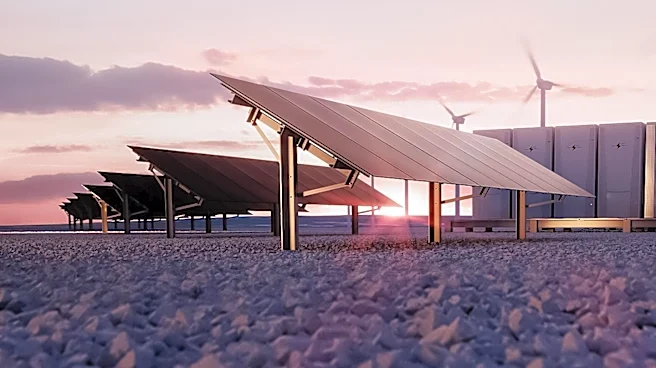
The attractiveness of home solar arrays for U.S. homeowners has diminished due to the expiration of the federal tax credit on energy-efficient installations in 2025. Despite falling panel production prices, the average cost for a modest solar setup in the United
States can exceed $20,000. California, a leading state in solar projects, has already seen reduced returns for homeowners with the implementation of the Net Energy Metering 3.0 scheme in 2023, which lowered prices for midday solar generation to encourage residential battery projects. Furthermore, a new wave of Section 232 tariffs, effective December 4, will impose a minimum sale price of 38 cents per watt on imported finished solar modules, along with a value-added tax of up to 15%. These tariffs, previously applied to steel and other metals, target polysilicon, a crucial component of photovoltaic panels. This could lead to a 20% to 50% increase from current prices at common sources, potentially adding $1,000 to $2,000 to installation costs.
Why It's Important?
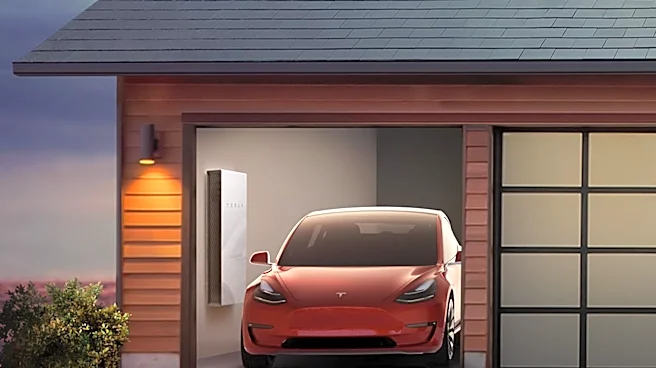
The changes significantly impact the financial viability of residential solar power for U.S. homeowners. The end of the federal tax credit removes a substantial incentive, while the new tariffs directly increase the cost of solar modules. This combination is expected to extend the breakeven period for solar installations, potentially pushing it beyond the typical useful life of the panels, which ranges from 20 to 35 years. This shift could deter new solar adoption, slowing the transition to renewable energy at the residential level. While some states and utilities offer incentives for residential stored power projects, such as those in Massachusetts and Rhode Island, these may not fully offset the federal tax credit loss and increased tariff costs. The focus is now shifting towards integrated solar and battery systems, as battery generation events are increasingly incentivized, making pure solar installations less financially appealing.
What's Next?
Homeowners considering solar installations after December 4 should anticipate longer payback periods due to the new Section 232 tariffs. Installers may attempt to absorb some of the increased costs by reducing their overhead, but a price increase for consumers is still likely. The market is expected to see a continued shift towards solar-plus-battery solutions, as state and utility incentive programs increasingly favor stored power projects. Homeowners will need to carefully evaluate their energy usage and research available state and local incentive programs to maximize their potential returns. The long-term impact on the U.S. residential solar market will depend on how quickly the industry adapts to these new financial realities and whether new federal or state incentives emerge to counter the increased costs.
Beyond the Headlines
The policy changes highlight a complex interplay between federal trade policy, renewable energy incentives, and state-level energy strategies. The imposition of tariffs on polysilicon, a critical component, reflects broader U.S. efforts to protect domestic manufacturing and supply chains, even if it means increased costs for consumers in the short term. This could lead to a re-evaluation of the balance between promoting domestic production and accelerating renewable energy adoption. The emphasis on residential battery projects, particularly in states like California, suggests a strategic move towards grid stability and managing peak demand, rather than solely focusing on solar generation. This could foster innovation in energy storage solutions and create new market opportunities for integrated home energy systems.