






What's Happening?
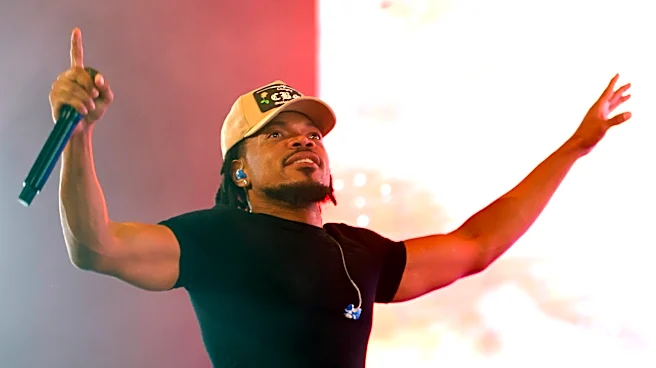
Chance the Rapper, whose real name is Chancellor Bennett, has prevailed in a breach-of-fiduciary-duty case against his former manager, Patrick “Pat” Corcoran. Cook County Circuit Court Judge James E. Hanlon Jr. ruled that Corcoran violated his fiduciary obligations
in multiple instances during their nearly six-year legal dispute. The ruling could require Corcoran to forfeit up to $1.5 million in management fees and merchandise-related compensation, in addition to returning undisclosed vendor commissions. Corcoran and his company, Pat the Manager, LLC, have also been ordered to transfer ownership of ChanceRaps.com to the artist within 14 days. The court found that Corcoran improperly received commissions from merchandise vendors while simultaneously collecting management fees and breached his duty of loyalty regarding an equity request involving UnitedMasters, as well as violating his duty of candor related to the Ramova and We Are the Times ventures. This decision follows a March jury verdict against Corcoran in his separate $3 million lawsuit, which was dismissed, with the jury finding him in breach of contract.
Why It's Important?
This legal victory for Chance the Rapper highlights the complexities and potential pitfalls in artist-manager relationships, particularly when operating without formal written contracts. The ruling underscores the legal expectation for managers to uphold a strict fiduciary duty, prioritizing the artist's interests above their own. The forfeiture of up to $1.5 million in fees and commissions serves as a significant precedent, emphasizing accountability for managers who engage in self-dealing or fail to disclose conflicts of interest. For the music industry, this case reinforces the importance of transparent financial dealings and clear contractual agreements between artists and their representatives. It also signals a potential shift towards greater scrutiny of management practices, encouraging artists to be vigilant about their business affairs and managers to adhere to ethical standards. The outcome could influence future negotiations and legal frameworks within the entertainment sector, potentially leading to more robust protections for artists.
What's Next?
A final hearing is scheduled for November 30 to determine the specific dollar amount Corcoran owes Chance the Rapper. The court has given both parties an opportunity to settle on a dollar amount before this date; if they cannot reach an agreement, the court will make the final determination. Corcoran is also mandated to return the ChanceRaps.com website domain to the artist by October 28. Chance the Rapper has expressed gratitude for the outcome, stating he is eager to share his side of the story. The legal team for Corcoran has indicated that they are pleased the court found no basis for Chance's claim of over $10 million in damages and that it acknowledged Corcoran's valuable work. The ongoing process will focus on quantifying the financial repercussions of the breach of fiduciary duty, particularly concerning merchandise commissions and management fees.
Beyond the Headlines
The case between Chance the Rapper and Pat Corcoran delves into the deeper implications of trust and loyalty within professional relationships in the entertainment industry. Their initial arrangement, based on a handshake deal, reflects a common practice in the early stages of many artist careers, often built on personal friendship and mutual ambition. The eventual breakdown of this relationship and the subsequent legal battles underscore the inherent risks of such informal agreements, particularly as an artist's career scales. The judge's questioning of Corcoran's credibility, noting his testimony 'changed with the audience,' highlights the ethical dimension of professional conduct and the importance of consistent, truthful representation. This situation also brings to light the challenges artists face in navigating complex business ventures, such as equity requests and external investments, while relying on their managers for guidance. The outcome may encourage a broader reevaluation of industry norms, pushing for more formalized structures and legal protections to safeguard artists' interests and prevent similar disputes.