






What's Happening?
Newcastle United Chairman Yasir Al-Rumayyan is overseeing a process where Saudi Arabia’s Public Investment Fund (PIF), the majority owner of Newcastle United, is preparing to dilute its shares by selling up to 25 percent of the club. JP Morgan has been
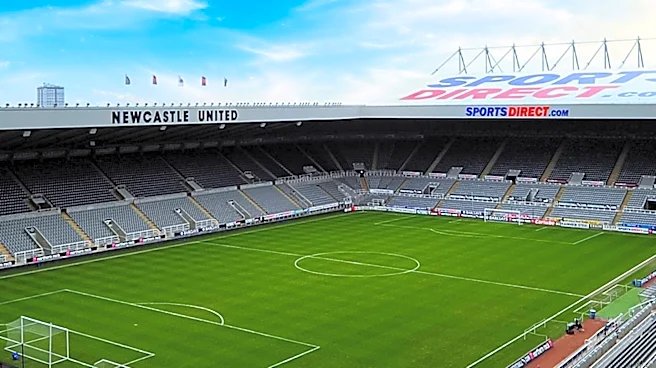
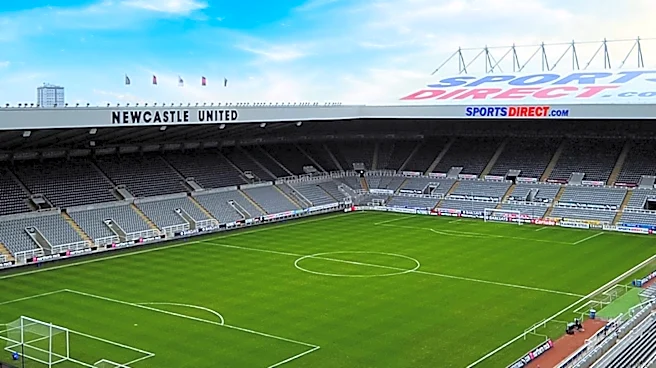
appointed to manage this process. The primary goal of this share issue is to secure outside investment to finance significant infrastructure projects, including the construction of a new stadium. Currently, PIF holds an 84 percent stake in Newcastle, with the Reuben brothers owning the remaining 16 percent. A 25 percent share issue would reduce PIF's holding to 63 percent, while the Reuben brothers would maintain their 16 percent, and new investors would acquire 21 percent of the club. This move comes amidst broader questions regarding PIF’s sports investment portfolio, though sources within PIF insist on a long-term commitment to Newcastle.
Why It's Important?
This development is significant for Newcastle United as it aims to secure substantial funding for critical infrastructure, particularly a new stadium, without PIF completely divesting its ownership. The potential dilution of PIF's shares, while still maintaining majority control, indicates a strategic approach to leverage external capital for growth and development. For the club's fans and stakeholders, this could mean a significant upgrade in facilities and a stronger financial footing for future endeavors. The move also reflects a broader trend in sports ownership where large investment funds seek to optimize their portfolios while ensuring the long-term viability and competitiveness of their assets. The involvement of a major financial institution like JP Morgan underscores the scale and seriousness of this financial restructuring.
What's Next?
The immediate next step involves JP Morgan handling the process of finding and securing outside investors for the 25 percent share issue. While the club has declined to comment on the report, the confirmed direction is a potential minority dilution rather than a complete PIF departure. This process will likely involve negotiations with potential investors and a detailed financial assessment to ensure the best outcome for Newcastle United. The success of this share issue will directly impact the timeline and scope of the planned infrastructure projects, especially the new stadium. Continued scrutiny from fans and external observers is expected, particularly given PIF's recent adjustments to its other sporting investments.
Beyond the Headlines
Beyond the immediate financial implications, this move highlights the evolving landscape of sports club ownership and financing. The decision to seek external investment for infrastructure projects, rather than relying solely on the majority owner, could set a precedent for other clubs with similar ownership structures. It also raises questions about the balance between maintaining majority control and attracting necessary capital for ambitious growth plans. The long-term commitment of PIF, despite the share dilution, will be closely watched as it navigates its broader sports portfolio. This strategy could be seen as a way to de-risk investments while still fostering growth, potentially influencing how other sovereign wealth funds approach their sports assets in the future.