






What's Happening?
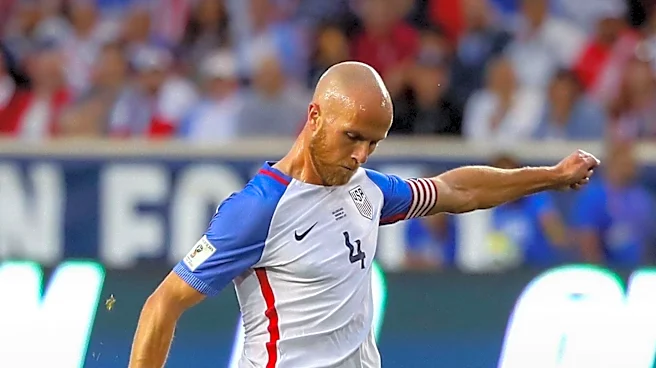
United States striker Folarin Balogun was at the center of controversy during the World Cup after FIFA's disciplinary committee decided to suspend his one-game ban for serious foul play. Balogun, who was dismissed in a match against Bosnia-Herzegovina,
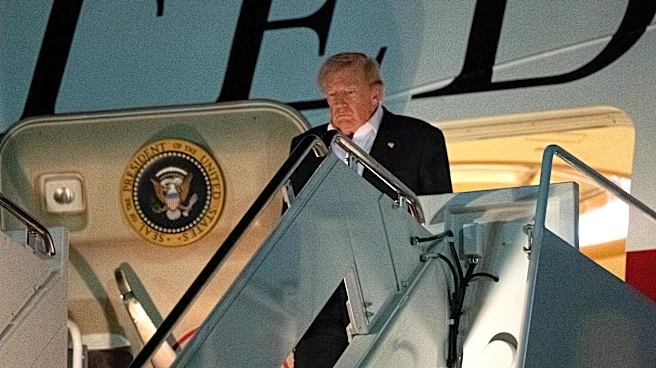
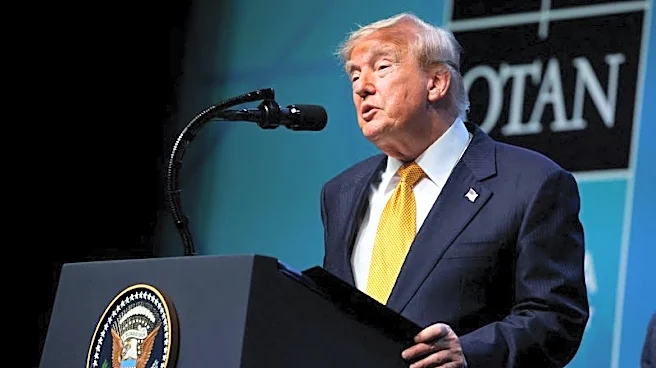
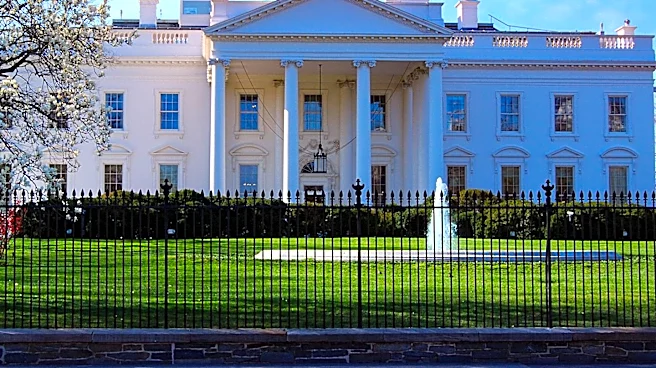
was expected to serve an automatic suspension. However, the ban was waived for a year, allowing him to play in the USA's last-16 match against Belgium. This decision was met with widespread criticism, particularly from UEFA, which labeled it 'unprecedented, incomprehensible, and unjustifiable.' The controversy was further fueled by reports that President Trump and White House officials had lobbied FIFA regarding Balogun's sanction. Despite the uproar, Balogun expressed relief at being able to rejoin his team, although he acknowledged the situation created nerves among his teammates.
Why It's Important?
The decision to suspend Balogun's ban has significant implications for the integrity of sports governance and the influence of political lobbying in international sports. The involvement of President Trump and White House officials in lobbying FIFA raises questions about the fairness and transparency of disciplinary actions in sports. This incident could set a precedent for future cases where political influence might sway decisions in favor of certain players or teams, potentially undermining the credibility of sports governing bodies. For the U.S. team, while Balogun's participation was a short-term gain, the controversy may have affected team morale and focus, as indicated by their subsequent defeat to Belgium.
What's Next?
The fallout from this decision may lead to calls for clearer guidelines and stricter enforcement of disciplinary actions in international sports. FIFA and other governing bodies like UEFA might face pressure to review their processes to ensure decisions are made independently of external influences. Additionally, there could be increased scrutiny on the role of political figures in sports, prompting discussions on the need for boundaries between politics and sports governance. The U.S. team will need to address any internal tensions and focus on rebuilding trust and cohesion as they prepare for future competitions.