

What's Happening?
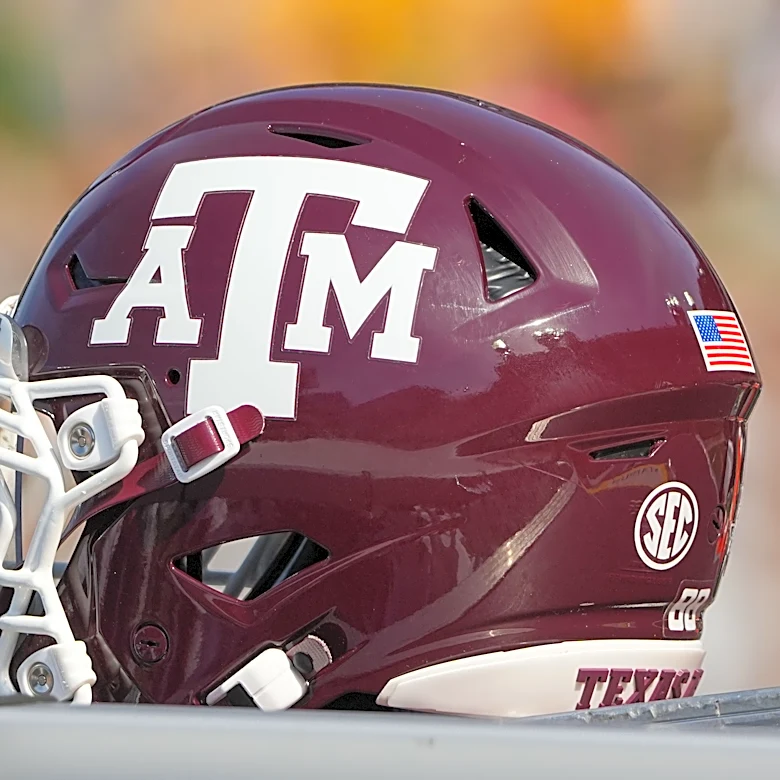
The University of Michigan has agreed to hire Trev Alberts, currently the athletic director at Texas A&M, as its new athletic director. This decision comes as the Michigan Wolverines' football program faces significant challenges, including a 5-5 record
under first-year head coach Kyle Whittingham, who replaced Sherrone Moore. Moore was fired in 2025 following his arrest on home-invasion and stalking charges and allegations of an inappropriate relationship with a staff member. The program also endured NCAA discipline for a sign-stealing scandal during its 2023 national championship season under former head coach Jim Harbaugh. Alberts will succeed Warde Manuel, who is stepping down at the end of 2026 with a $7.14 million exit agreement. Incoming school president C. Cybele Raver reportedly called an emergency board meeting to expedite Alberts' hiring. Alberts brings extensive experience, having served as athletic director at the University of Nebraska Omaha from 2009-21, where he oversaw the transition to Division I, and then at Nebraska for three seasons before moving to Texas A&M in 2024.
Why It's Important?
The appointment of Trev Alberts as athletic director is a critical move for the University of Michigan as it seeks to stabilize its athletic department, particularly its high-profile football program. The Wolverines' football team has experienced a rapid decline in performance and reputation since winning the national championship in 2023, marked by coaching changes, scandals, and a losing record. Alberts' experience in navigating program transitions and managing athletic departments at multiple universities suggests Michigan is looking for a leader capable of restoring order and success. His task will be to address the ongoing issues within the football program, including the job security of head coach Kyle Whittingham and the team's performance, while also overseeing the men's basketball program, which is also undergoing a transition after its head coach left for the NBA. The success or failure of Alberts' tenure will significantly impact Michigan's standing in collegiate athletics, affecting recruitment, fan engagement, and financial stability.
What's Next?
Trev Alberts will assume his new role as athletic director at the University of Michigan, with immediate challenges awaiting him. His primary focus will likely be on assessing the current state of the football program, including the performance and future of head coach Kyle Whittingham, whose job security is already in question. Alberts will also need to address the lingering effects of past scandals and work to rebuild the program's reputation. Beyond football, he will oversee the men's basketball program's transition under new head coach Mike Boynton Jr. Stakeholders, including alumni, fans, and the NCAA, will closely watch Alberts' initial decisions and strategies to see how he plans to steer Michigan athletics back to prominence. His leadership will be crucial in navigating the complex landscape of collegiate sports, including potential future NCAA investigations or sanctions, and ensuring the long-term health and competitiveness of Michigan's athletic programs.
Beyond the Headlines
The hiring of Trev Alberts reflects a broader trend in collegiate athletics where athletic directors are increasingly tasked with navigating complex legal, ethical, and financial challenges in addition to traditional sports management. The University of Michigan's situation, marked by a national championship followed by rapid decline and scandal, highlights the intense pressures and high stakes involved in major college sports programs. The substantial exit agreement for the previous athletic director, Warde Manuel, underscores the financial implications of leadership changes and program instability. Alberts' background as a former College Football Hall of Famer and his extensive administrative experience suggest a strategic choice to bring in a leader with both athletic credibility and management acumen. This appointment could set a precedent for how universities address periods of turmoil, emphasizing the need for strong, experienced leadership to restore institutional integrity and competitive success in an era of heightened scrutiny and rapid change in college athletics.