
What's Happening?
Carson Hocevar, a NASCAR Cup Series driver, was suspended by Spire Motorsports for the final race of the 2026 season at Homestead-Miami Speedway due to his aggressive driving style, particularly following incidents at Martinsville Speedway. Spire co-owner
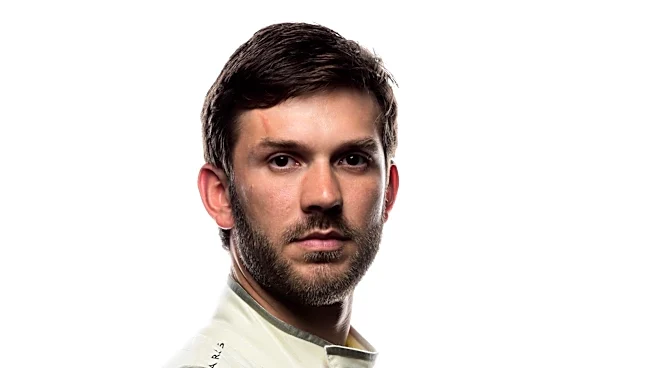
Jeff Dickerson stated that the decision was one of the toughest in his ownership career, emphasizing that NASCAR did not pressure the team into the suspension. Hocevar himself accepted responsibility for his actions in an apology video, acknowledging that he 'forced their decision' and that he was 'the bad guy.' Teammate Daniel Suarez publicly supported the suspension, suggesting it was a necessary measure to prevent Hocevar from potentially damaging his career. Suarez indicated that he had discussed Hocevar's behavior with Dickerson prior to the public announcement, believing that those who disagree with the decision may not fully understand racing or business. Hocevar had a notable 2026 season, securing his first NASCAR Cup Series win at Talladega Superspeedway, but also accumulated several on-track incidents and penalties.
Why It's Important?
This suspension highlights the ongoing tension between aggressive racing, a hallmark of NASCAR, and the need for driver conduct that aligns with team and league expectations. The decision by Spire Motorsports, and the public backing from a veteran driver like Daniel Suarez, underscores a potential shift in how teams manage driver behavior, especially when it crosses a perceived line. For Carson Hocevar, this incident could be a pivotal moment, forcing him to re-evaluate his approach to racing to ensure a long-term career in the sport. For Spire Motorsports, it reinforces their commitment to a certain standard of conduct, potentially influencing how other teams address similar issues with their drivers. The incident also brings into focus the role of team owners in disciplining drivers, even without direct pressure from NASCAR, to protect both the driver's future and the team's reputation. The financial penalty and point deduction further emphasize the seriousness of the violations.
What's Next?
Carson Hocevar is expected to return for the 2027 NASCAR Cup Series season, suggesting that the suspension is viewed as a corrective measure rather than a career-ending one. The immediate consequence was his replacement by Justin Haley for the Homestead finale. Moving forward, Hocevar will likely be under increased scrutiny regarding his on-track conduct, and his performance in the upcoming season will be crucial in demonstrating that he has learned from this experience. Spire Motorsports will continue to monitor driver behavior, and this incident may set a precedent for how they, and potentially other teams, handle similar situations in the future. The public and media will be watching to see if Hocevar's driving style evolves, and if the suspension ultimately serves its intended purpose of maturing his approach to racing.
Beyond the Headlines
The incident raises broader questions about the culture of aggression in professional motorsports and the balance between competitive intensity and responsible conduct. While aggressive driving is often celebrated, there's a fine line where it can become detrimental to a driver's career, team dynamics, and the sport's image. This situation could spark discussions within NASCAR about defining acceptable limits of aggression and the mechanisms for enforcing them. It also touches upon the mentorship aspect within racing, as seen with Daniel Suarez's intervention, suggesting that veteran drivers play a role in guiding younger talent. The decision to suspend Hocevar, despite his recent win, indicates a prioritization of long-term career sustainability and team values over short-term performance, potentially influencing how young, aggressive drivers are managed across the sport.