








What's Happening?
The Nuclear Regulatory Commission (NRC) has proposed a new rule to modernize materials licensing for advanced nuclear fuel infrastructure. This proposal aims to streamline the licensing process by revising several regulatory aspects, including pilot fuel lines,
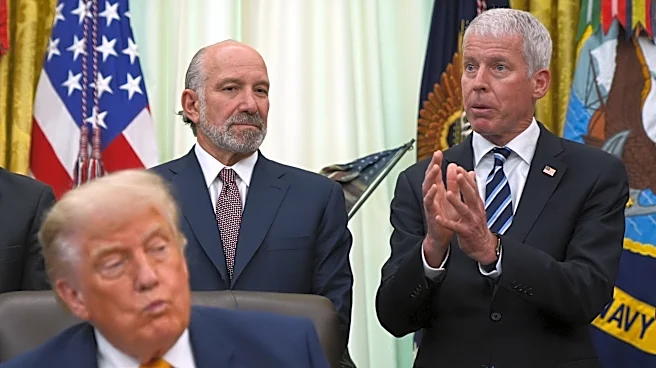
spent fuel reprocessing, and dry storage cask approvals. The rule is part of the NRC's response to an executive order from the Trump administration, which directed a review of nuclear regulations to make them more efficient and technology-inclusive. The proposal seeks to support the development of a domestic nuclear fuel supply chain and address licensing gaps between Department of Energy (DOE) pilot programs and future NRC oversight.
Why It's Important?
The proposed changes are significant as they aim to enhance the U.S.'s leadership in nuclear energy by making the licensing process more predictable and efficient. This could facilitate the development of advanced nuclear technologies and support the country's energy independence goals. By addressing regulatory gaps and streamlining processes, the NRC hopes to encourage innovation and investment in the nuclear sector. The proposal also aligns with congressional directives to modernize nuclear licensing, potentially leading to faster deployment of advanced reactors and fuel technologies.
What's Next?
The NRC is seeking public comments on the proposed rule by August 10, 2026. A public meeting will be held to discuss the rule, which covers various aspects such as construction definitions, reprocessing regulations, and decommissioning funding. The feedback from stakeholders will be crucial in finalizing the rule, which could have long-term implications for the nuclear industry. If implemented, the changes could reduce regulatory burdens and accelerate the development of advanced nuclear projects, contributing to the U.S.'s energy transition efforts.