





What's Happening?
The beauty and wellness market is seeing an expansion in facial sculpting tools and techniques designed to offer improved jawline definition, reduced puffiness, and overall skin revitalization. Among the new offerings are the ANIMERO Lymphatic Brush,
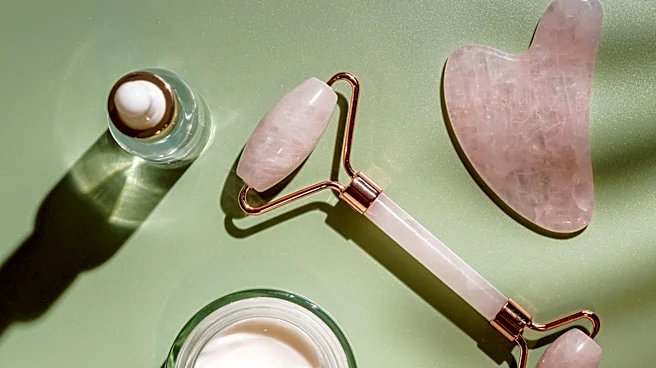
which focuses on lymphatic drainage and facial contouring with soft bristles and an ergonomic grip. MIMIQ facial sculpting techniques are also gaining traction, combining various methods like hand movements, myofascial release, lymphatic drainage, and gua sha, tailored to individual client needs. For those seeking advanced at-home solutions, the SHEFMON Emface EMS Face Sculpting Lifting Microcurrent Device integrates high-intensity facial electrical stimulation with radiofrequency (RF) technology. Additionally, Sarah Creal Beauty has introduced a Dual Contour Brush for precise application of cream formulations to shade, sculpt, and highlight, while Charlotte Tilbury offers a Rose Gold Gua Sha Tool for sculpting and smoothing. These innovations aim to provide both professional and at-home users with diverse options for achieving a more defined and refreshed facial appearance.
Why It's Important?
The proliferation of these facial sculpting tools and techniques signifies a growing consumer demand for non-invasive or minimally invasive aesthetic solutions in the U.S. beauty industry. This trend reflects a broader shift towards self-care and personalized beauty routines, empowering individuals to achieve desired facial contours and skin health without resorting to more intensive procedures. The introduction of devices like the SHEFMON Emface EMS device, which combines EMS and RF, indicates a move towards integrating advanced technologies into consumer-grade products, potentially democratizing access to treatments previously confined to professional settings. For businesses, this means a competitive landscape driven by innovation in product design, material science, and technological integration. Consumers stand to gain from a wider array of choices, allowing them to select products that align with their specific concerns, budgets, and comfort levels, from simple brushes to sophisticated microcurrent devices. This market expansion also highlights the increasing importance of lymphatic drainage and muscle activation in modern skincare, moving beyond traditional topical applications.
What's Next?
The market for facial sculpting tools is likely to continue its rapid evolution, with further advancements in technology and product design. We can anticipate more sophisticated at-home devices that offer a wider range of functionalities, potentially incorporating AI-driven personalization or enhanced connectivity for guided routines. There may also be an increased focus on sustainable and ethically sourced materials for tools like gua shas and brushes. Professional facial sculpting services, such as those offered by MIMIQ, will likely continue to refine their techniques, integrating new scientific understanding of facial anatomy and lymphatic systems. The regulatory landscape for these devices, particularly those involving electrical stimulation or microcurrents, may also evolve to ensure consumer safety and product efficacy. Furthermore, educational content and tutorials on proper usage will become even more crucial as consumers adopt these tools into their daily routines, driving demand for expert guidance and clear instructions.
Beyond the Headlines
Beyond the immediate aesthetic benefits, the rise of facial sculpting tools and techniques points to deeper cultural and psychological implications. The emphasis on 'sculpting' and 'definition' reflects contemporary beauty standards that value sharp facial contours and a youthful appearance. This trend can influence self-perception and body image, potentially fostering both empowerment through self-care and pressure to conform to idealized looks. The integration of traditional practices like gua sha with modern technology also highlights a fusion of ancient wisdom and contemporary science in the wellness industry. Ethically, the marketing of these products will need to navigate claims carefully, ensuring that consumers have realistic expectations about results and understand the difference between non-invasive tools and more significant medical procedures. The long-term impact on consumer spending habits within the beauty sector could be substantial, as these tools become staples in personal care routines, shifting investment from occasional spa treatments to daily at-home maintenance.