






What's Happening?
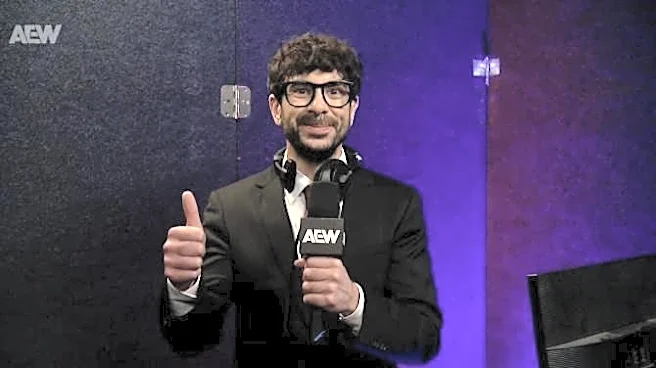
A nationwide ground stoppage issued by the FAA has the potential to impact the upcoming AEW Full Gear pay-per-view event. While many AEW wrestlers had already flown to the event directly from 'Dynamite,' others have not yet departed and are currently
stranded due to the flight restrictions. This situation creates uncertainty regarding the full roster's ability to reach the venue in time for the event. The FAA's decision to ground flights across the nation is a significant logistical challenge for any large-scale event relying on air travel for its participants.
Why It's Important?
This FAA ground stoppage poses a critical logistical challenge for AEW Full Gear, potentially affecting the event's planned match card and overall execution. The absence of key wrestlers due to travel disruptions could force last-minute changes, impacting the quality of the show and potentially disappointing U.S. fans who have purchased tickets or pay-per-view access. For AEW, ensuring all advertised talent can perform is crucial for maintaining credibility and delivering on audience expectations. Such disruptions can also lead to financial losses due to altered production schedules, increased travel costs for re-routing, or potential refunds if the event is severely impacted. The incident highlights the vulnerability of live events to external factors like air traffic control issues, underscoring the need for robust contingency planning in the entertainment industry.
What's Next?
AEW will likely be working to find alternative travel arrangements for its stranded wrestlers, which could include private charters or expedited ground transportation if feasible. The company will need to assess the extent of the impact on its roster and make decisions regarding potential changes to the Full Gear match card. Communication with fans will be crucial to manage expectations and provide updates on any adjustments. The situation may also prompt a review of travel protocols for future major events, emphasizing earlier travel or alternative modes of transport to mitigate risks associated with widespread flight disruptions. The immediate focus will be on getting all necessary personnel to the venue before the event commences.
Beyond the Headlines
Beyond the immediate logistical headache, this FAA ground stoppage underscores the broader fragility of interconnected systems that underpin large-scale events. It highlights how a single point of failure, such as air traffic control, can ripple through various industries, from entertainment to business. For AEW, this incident could serve as a stark reminder of the need for comprehensive risk management strategies that extend beyond typical event planning. It also brings into focus the reliance of modern professional sports and entertainment on efficient air travel, making them susceptible to national-level disruptions. This event could prompt a re-evaluation of how major U.S. events schedule talent travel, potentially leading to more decentralized travel plans or increased use of private transport to bypass commercial airline vulnerabilities.