



What's Happening?
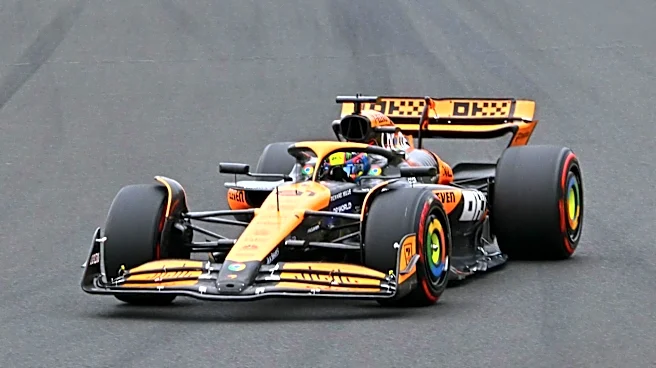
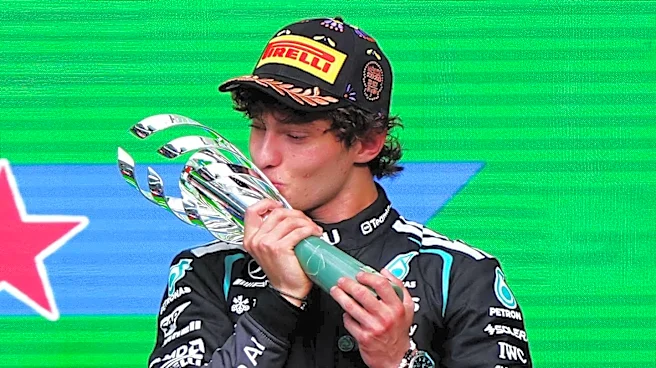
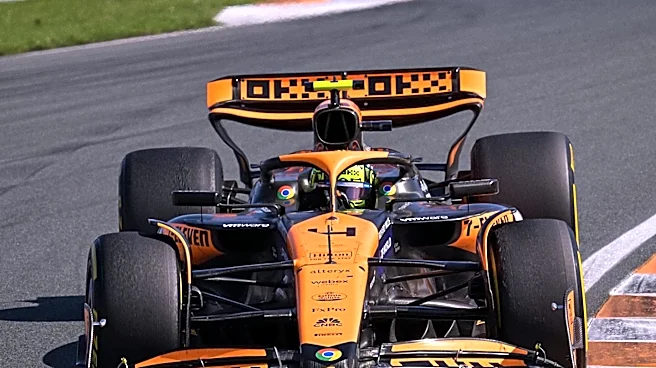
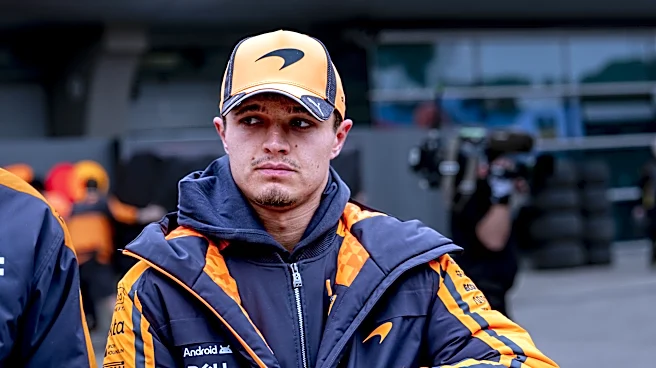
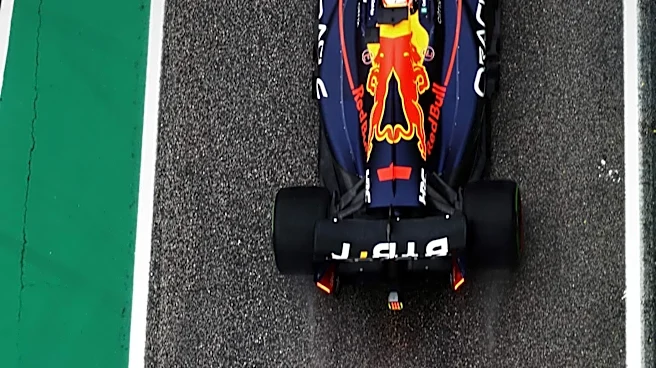
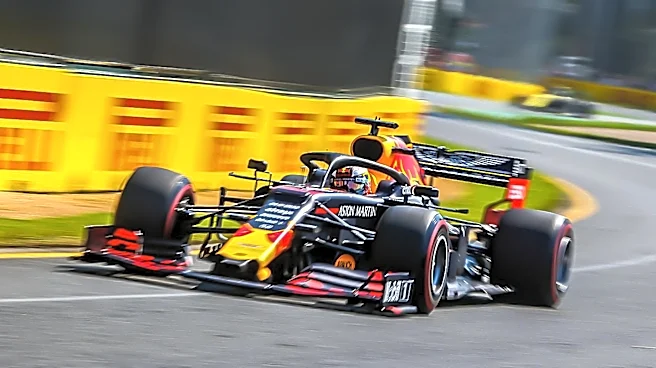
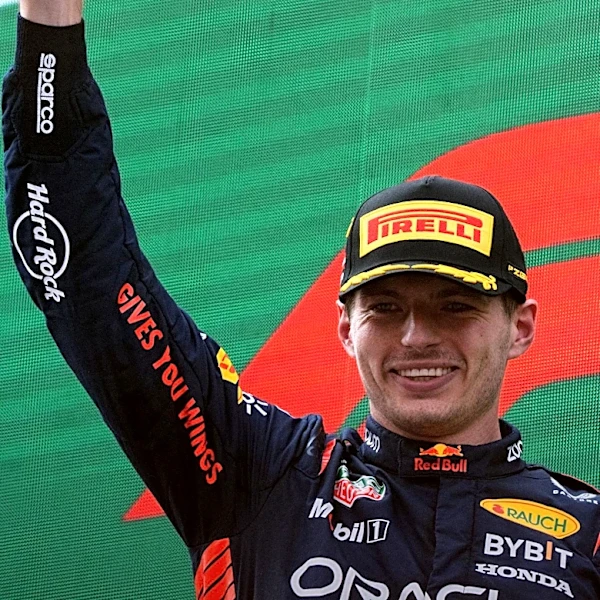
Max Verstappen of Red Bull topped the timesheets in the final practice session for the Sao Paulo Grand Prix, narrowly beating Mercedes’ Kimi Antonelli and McLaren’s Lando Norris. Verstappen recorded a fastest lap of 1:11.622 on soft tires, just 0.025
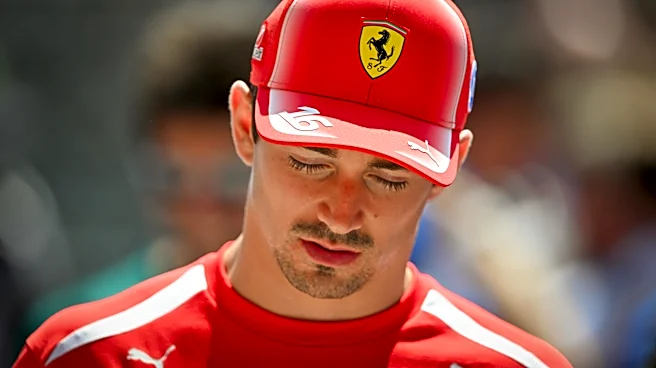
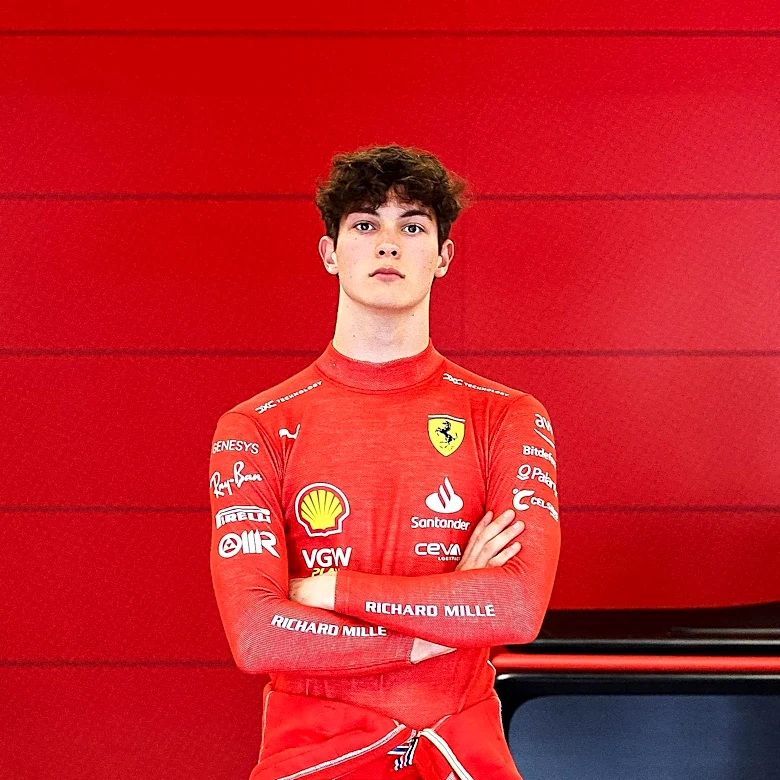
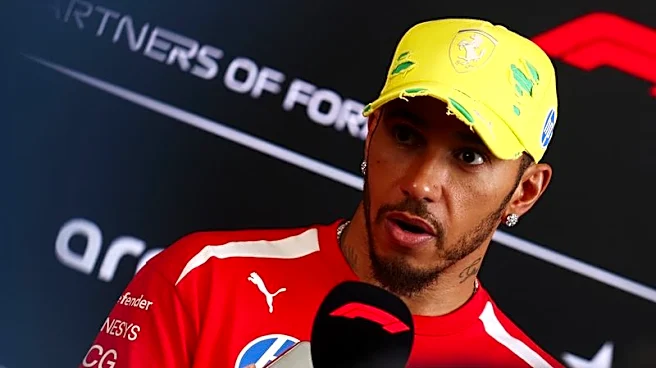
seconds ahead of Antonelli. However, several leading drivers, including Lewis Hamilton, Charles Leclerc, and Verstappen himself, face significant grid penalties for the upcoming qualifying session due to exceeding the season allowance for power unit components. Hamilton and Leclerc each received 10-place drops for new Internal Combustion Engines (ICE). Verstappen accumulated 30 places worth of penalties for exceeding limits on the ICE, Turbo Charger, and Exhaust, resulting in a back-of-the-grid start. Sergio Perez also faces a grid drop for a new Ferrari ICE, Turbo Charger, and Motor Generator Unit-Kinetic (MGU-K). The session also saw issues for Lance Stroll and Lewis Hamilton, who reported power unit problems.
Why It's Important?
The grid penalties for multiple top drivers, including Max Verstappen, Lewis Hamilton, and Charles Leclerc, will significantly impact the starting lineup and overall strategy for the Sao Paulo Grand Prix. Verstappen's back-of-the-grid start, despite leading practice, means he will have to fight through the field, potentially creating an exciting and unpredictable race. For Mercedes and Ferrari, the penalties for Hamilton, Leclerc, and Russell (who also faces a penalty) will reshuffle their competitive positions and force them to adapt their race plans. This situation could open opportunities for other drivers and teams, such as McLaren with Lando Norris and Oscar Piastri, to secure higher starting positions and potentially better race results. The technical issues reported by Stroll and Hamilton also highlight the reliability challenges faced by teams, which can be critical in determining championship outcomes. The threat of rain further adds an element of uncertainty, making strategic decisions even more crucial.
What's Next?
The qualifying session for the Sao Paulo Grand Prix will proceed, with the grid penalties applied to the affected drivers. This will likely result in a significantly altered starting grid compared to the practice session results. Teams will need to finalize their race strategies, considering the starting positions, potential weather changes, and tire management. The main race will then take place, where drivers like Verstappen will attempt to recover positions from the back of the grid, while others will aim to capitalize on their improved starting spots. The performance of Kimi Antonelli, who showed strong pace in practice, will be closely watched as he aims to convert his speed into a strong race finish. The outcome of the Grand Prix will have implications for the drivers' and constructors' championships, influencing team standings and future development decisions.
Beyond the Headlines
The prevalence of grid penalties due to power unit component changes underscores the stringent regulations in Formula 1 aimed at controlling costs and promoting reliability. While these rules ensure a level playing field and prevent excessive spending on new parts, they also introduce a strategic element where teams must balance performance gains with the risk of penalties. This situation can lead to dramatic shifts in race dynamics, making the sport more engaging for viewers. The technical challenges faced by teams, such as power unit issues, highlight the cutting-edge engineering and constant innovation required in Formula 1. The sport serves as a proving ground for advanced automotive technologies, with lessons learned often trickling down to road car development. The unpredictable nature of races, influenced by penalties, weather, and mechanical failures, reinforces the idea that success in Formula 1 is a complex interplay of driver skill, team strategy, and technological prowess.