









What's Happening?
The global protein confectionery market is experiencing significant growth, now valued at over $2.3 billion and expanding at a Compound Annual Growth Rate (CAGR) of 7.73%. This surge is attributed to a convergence of health, snacking, and indulgence trends,
as consumers increasingly seek products that offer both enjoyment and functional benefits. Protein, once primarily associated with sports nutrition, has permeated various food and beverage categories, including confectionery. According to Julia Buech, senior analyst of consumer foods at RaboResearch Food & Agribusiness, protein adds a sense of purpose to treats without requiring consumers to abandon indulgence. While protein confectionery is not expected to overtake traditional sweets, it is becoming an increasingly visible and commercially relevant segment, driving innovation in ingredients and formulations.
Why It's Important?
This trend is important because it reflects a fundamental shift in consumer preferences towards healthier, yet still enjoyable, food options. The integration of protein into confectionery addresses the growing demand for functional foods that support fitness, weight management, and general well-being, especially with the rise of GLP-1 medications. For the U.S. food industry, this means new opportunities for product development and market expansion. Companies like Mars, Hershey, Mondelēz International, Nestlé, and Ferrero Group are already adapting by extending their brands into high-protein formats or acquiring protein-focused companies. This shift impacts ingredient suppliers, manufacturers, and retailers, necessitating innovation in protein sources (dairy, collagen, plant-based) and formulation techniques to balance taste, texture, and nutritional value. The success of this segment hinges on delivering products that are both functional and genuinely enjoyable, moving beyond the 'clinical' perception of early protein products.
What's Next?
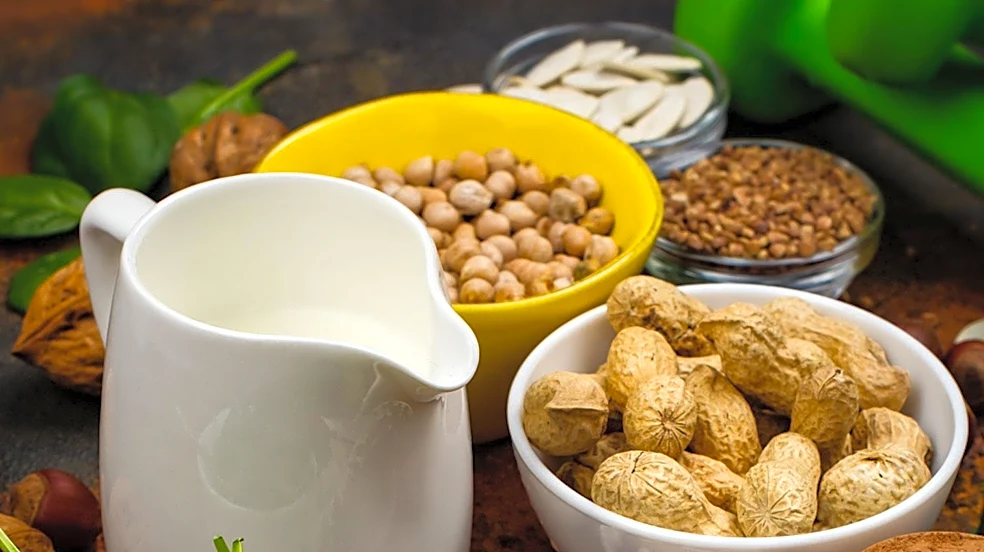
The protein confectionery market is expected to continue its expansion, with future innovation focusing on blending different protein sources to optimize nutrition, taste, texture, cost, and sustainability. Manufacturers will explore new ingredients like crisps, coatings, nut butters, and soft fillings to create more appealing and 'confectionery-like' experiences. The industry's objective will shift from merely adding protein to making products genuinely enjoyable. While bars remain the most popular format, other formats like filled bites, wafers, cookies, and gummies are gaining traction. Brands that successfully combine functionality with indulgence will define the next phase of growth. This will require ongoing research and development in food science to overcome challenges related to taste and texture, ensuring that protein-enhanced treats meet consumer expectations for both health benefits and sensory pleasure.
Beyond the Headlines
The protein confectionery boom signifies a broader cultural evolution in how consumers perceive food and health. It challenges the traditional dichotomy between 'healthy' and 'indulgent' foods, suggesting a future where these categories increasingly merge. This trend also highlights the power of consumer education; protein's benefits are intuitively understood, making it an easier sell than other functional ingredients. Furthermore, it underscores the adaptability of major food corporations to evolving health trends, demonstrating their capacity to innovate within established product lines. The focus on plant-based proteins and sustainable sourcing also points to a growing ethical dimension in consumer choices, pushing the industry towards more environmentally conscious practices. Ultimately, this trend reflects a desire for holistic well-being, where even treats contribute positively to health.