






What's Happening?
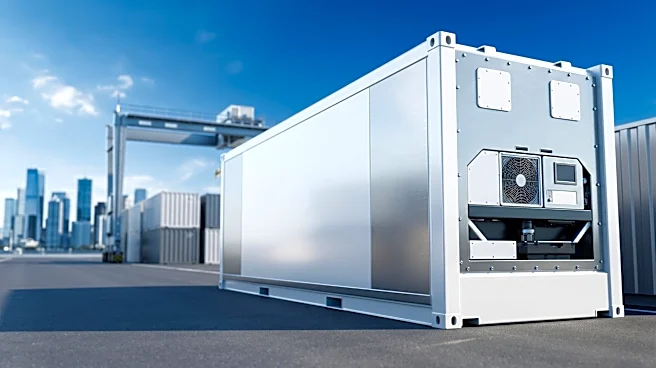
Landstar System, Inc., a transportation management solutions provider, has outlined the distinctions between temperature-controlled and temperature-validated transportation services. The company emphasizes that while temperature-controlled transportation maintains
a specified temperature range for freight, temperature-validated transportation (TVAL) goes further by providing documented evidence and traceability that these conditions were consistently maintained throughout transit. This distinction is crucial for shippers whose products require stringent compliance and audit-ready documentation. Temperature-controlled services are typically used for general perishables and non-regulated goods, focusing on maintaining conditions without formal documentation. In contrast, TVAL involves engineered and qualified configurations, documented thermal mapping, calibrated monitoring devices, and defined Standard Operating Procedures (SOPs) for pre-conditioning, loading, and handling. These rigorous processes ensure audit-ready records, including formal documentation of any temperature excursions with timestamps and corrective actions. Landstar agents assist clients in evaluating their specific shipment requirements to determine the appropriate level of cold chain execution needed.
Why It's Important?
This detailed differentiation in cold chain logistics is vital for U.S. industries, particularly those dealing with highly sensitive and regulated products such as pharmaceuticals, biologics, vaccines, and specialty chemicals. The increasing complexity of supply chains and stricter regulatory environments, especially in healthcare and life sciences, necessitate precise control and documentation of transportation conditions. For companies in these sectors, choosing the correct level of cold chain service directly impacts product integrity, regulatory compliance, and ultimately, public safety. Failure to meet these standards can result in significant financial penalties, product recalls, and damage to brand reputation. Landstar's ability to provide both temperature-controlled and temperature-validated options allows businesses to mitigate risks associated with temperature-sensitive shipments, ensuring that products arrive in optimal condition and meet all necessary legal and quality assurance requirements. This also highlights a growing trend in the logistics industry towards specialized, high-assurance services.
What's Next?
As regulatory scrutiny and consumer expectations for product safety continue to rise, the demand for sophisticated cold chain solutions like temperature-validated transportation is expected to grow. Landstar and other logistics providers will likely continue to invest in advanced technologies and training to enhance their capabilities in this specialized area. This could include further development of real-time monitoring systems, predictive analytics for temperature management, and blockchain technology for immutable record-keeping. Businesses that rely on these services will need to conduct thorough assessments of their supply chain partners to ensure they can meet evolving compliance standards. Furthermore, there may be increased collaboration between logistics companies, pharmaceutical manufacturers, and regulatory bodies to establish industry-wide best practices and potentially new certifications for validated transportation, ensuring a more robust and secure cold chain infrastructure across the U.S.
Beyond the Headlines
The emphasis on temperature-validated transportation reflects a broader shift towards greater transparency and accountability within global supply chains. Beyond the immediate concerns of product integrity and regulatory compliance, this trend has significant ethical and societal implications. For instance, the reliable transport of vaccines and life-saving medications to remote or underserved areas depends heavily on the integrity of the cold chain. Any failure can have dire public health consequences. Moreover, the detailed documentation and traceability inherent in TVAL services contribute to a more ethical supply chain by reducing the risk of counterfeit products entering the market and ensuring that goods are handled responsibly from origin to destination. This level of precision also fosters consumer trust, as individuals can be more confident in the safety and efficacy of the products they receive, particularly in critical sectors like healthcare. The evolution of cold chain logistics is thus not just a business imperative but a critical component of modern public health and consumer protection.