







What's Happening?
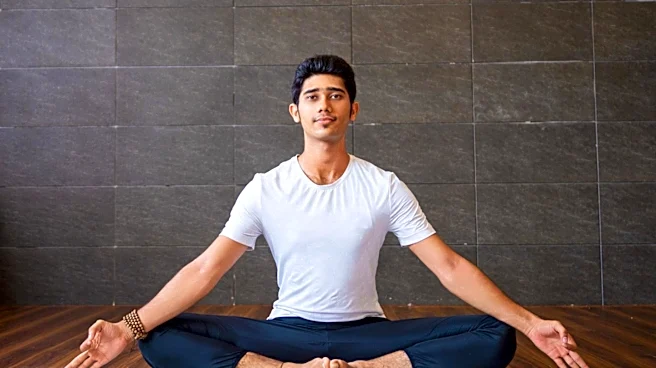
An 8-day personalized integrative wellness lifestyle reset program in India, offered by Yukah, is focusing on traditional Indian practices such as Ayurveda, yoga, and meditation. The program, named Parivartan, aims to provide participants with a balanced
lifestyle by integrating Hatha Yoga, Raja Yoga, meditation, and sound healing. It emphasizes the relationship between food, daily rhythm, and overall well-being. The meals provided are traditional, seasonal, and locally sourced, avoiding restrictive diets and promoting practical food knowledge. The program's approach is designed to be integrative, allowing participants to explore various aspects of wellness, including breathwork, somatic practices, and nervous-system regulation. It seeks to empower individuals with tools and understanding to make wiser choices for their well-being, rather than fostering dependency on specific routines or teachers. The program is rooted in India’s yogic and Ayurvedic wisdom, adapted for modern life.
Why It's Important?
This program highlights a growing global interest in holistic wellness approaches, particularly those originating from India. The emphasis on personalized, integrative practices like Ayurveda and yoga offers an alternative to conventional, often symptom-focused, health interventions. For individuals in the U.S. seeking natural and preventive healthcare solutions, such programs provide an opportunity to engage with ancient wisdom traditions that prioritize overall balance and well-being. The focus on practical food knowledge and non-restrictive diets could influence dietary habits and promote a more mindful approach to eating. Furthermore, the program's aim to reduce apprehension and improve psychological well-being aligns with increasing awareness of mental health and stress management, offering methods that could be integrated into daily life beyond the retreat setting. This trend could also impact the wellness tourism industry, drawing more U.S. citizens to India for such experiences.
What's Next?
The increasing popularity of such holistic wellness programs in India suggests a continued trend of individuals seeking alternative health and lifestyle solutions. Participants returning from these programs may integrate practices like Hatha Yoga, Raja Yoga, meditation, and mindful eating into their daily routines, potentially influencing their communities and workplaces. This could lead to a greater demand for similar integrative wellness offerings within the U.S., prompting the development of more localized programs or the expansion of existing ones. The emphasis on practical food knowledge and locally sourced ingredients might also encourage a shift towards more sustainable and traditional dietary practices. Furthermore, the success of such programs could inspire further research into the efficacy of traditional Indian wellness practices, potentially leading to their broader acceptance and integration into mainstream healthcare discussions.
Beyond the Headlines
The holistic Indian wellness influence, as exemplified by programs like Parivartan, extends beyond physical health to encompass ethical and cultural dimensions. It promotes a deeper understanding of the interconnectedness of mind, body, and environment, challenging the often fragmented approach of Western medicine. The program's rejection of 'one-size-fits-all' wellness prescriptions and its focus on individual patterns reflect a philosophical shift towards personalized care and self-empowerment. This approach encourages individuals to become active participants in their own healing journey, fostering self-awareness and resilience. Culturally, it represents a global exchange of knowledge, where ancient Indian wisdom is being reinterpreted and applied to address contemporary health challenges. This could lead to a broader appreciation for diverse healing traditions and a more inclusive understanding of well-being in the U.S. and globally.