





What's Happening?
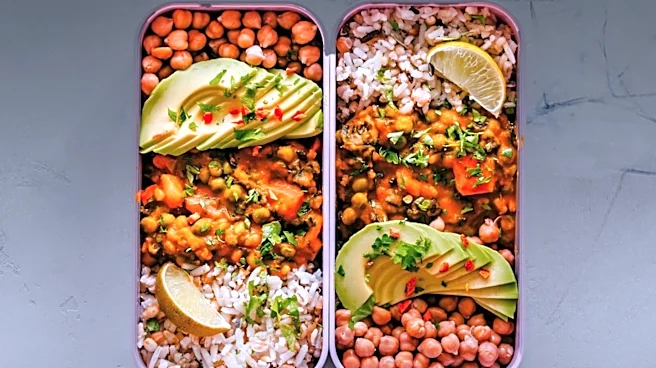
The market for vegan meal delivery kits is expanding rapidly, offering consumers a wide array of plant-based options that prioritize both nutrition and convenience. Companies like Splendid Spoon, Purple Carrot, and FireRoad Foods provide various services,
from pre-portioned ingredients for home cooking to fully prepared, heat-and-eat meals. These kits cater to different needs, including those seeking quick meal solutions, athletes requiring high-protein plant-based diets, and individuals looking to transition to a more plant-based lifestyle. Notable offerings include Kimchi Fried Quinoa and Meatball Marinara Noodles from Splendid Spoon, globally inspired dishes from Purple Carrot, and athlete-focused frozen meals from FireRoad Foods. The services aim to simplify meal preparation, reduce food waste, and introduce consumers to diverse vegan cuisines, making plant-based eating more accessible and enjoyable.
Why It's Important?
The growth of vegan meal delivery kits signifies a significant shift in the U.S. food industry, reflecting increasing consumer demand for convenient, healthy, and ethically sourced food options. This trend impacts various sectors, from agriculture and food manufacturing to logistics and retail. For consumers, these services offer a practical solution to dietary challenges and busy lifestyles, potentially improving public health by encouraging greater consumption of plant-based foods. Economically, the expansion of this market creates new business opportunities and jobs, while also fostering innovation in plant-based food technology and culinary development. The emphasis on convenience and diverse flavors helps to destigmatize veganism, making it a more mainstream and appealing choice for a broader demographic, including omnivores looking to incorporate more plant-based meals into their diet.
What's Next?
The vegan meal delivery kit market is expected to continue its growth trajectory, with companies likely to further diversify their menus, incorporate more organic and locally sourced ingredients, and enhance customization options to meet evolving consumer preferences. We may see increased competition leading to more affordable pricing and broader availability across different regions of the U.S. Additionally, there could be a greater integration of technology to personalize meal plans and streamline delivery logistics. As more consumers become aware of the environmental and health benefits of plant-based diets, these services are poised to become an even more integral part of the modern food landscape, potentially influencing traditional grocery stores and restaurant chains to expand their own vegan offerings.
Beyond the Headlines
Beyond the immediate convenience, the rise of vegan meal delivery kits has deeper implications for food culture and sustainability in the U.S. These services challenge conventional eating habits by making plant-based meals a default, rather than an alternative, choice. This shift can contribute to a more sustainable food system by reducing reliance on animal agriculture, which has significant environmental impacts. Ethically, it aligns with growing concerns about animal welfare. Culturally, it promotes culinary exploration, introducing diverse flavors and ingredients to a wider audience. The accessibility of these kits could also play a role in addressing food deserts and promoting healthier eating in underserved communities, provided that affordability and distribution challenges are met. This trend represents a broader societal movement towards conscious consumption and a re-evaluation of our relationship with food.