
What's Happening?
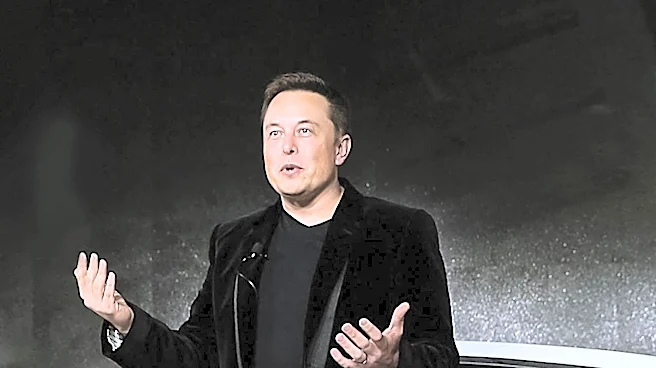
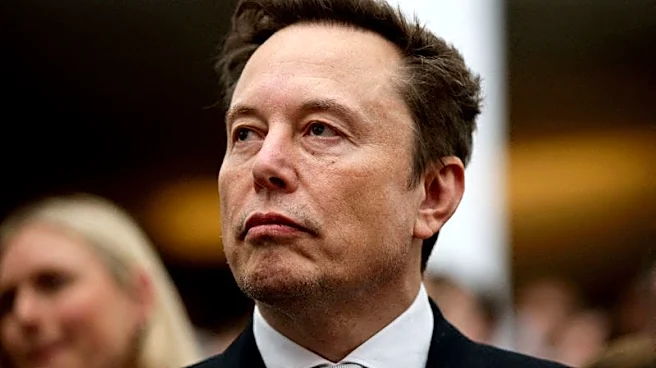
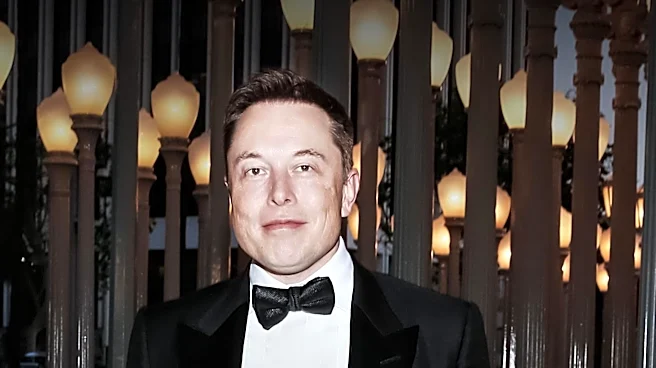
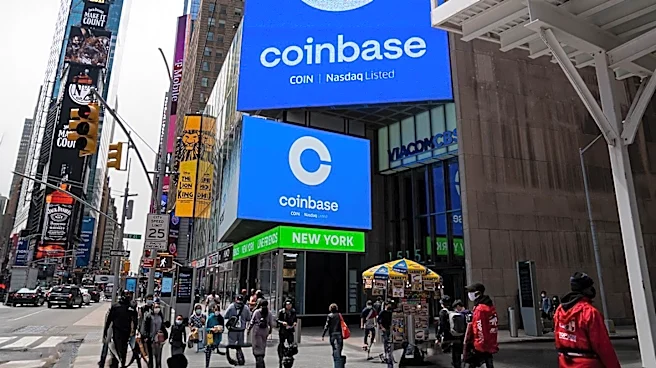
Coinbase, a cryptocurrency exchange, successfully prevented customers from transferring $4.7 million to scammers who utilized an AI-generated deepfake of Elon Musk. The fraudsters promoted a fake Tesla
cryptocurrency giveaway on YouTube, attracting over 500,000 viewers. The livestream, designed to mimic a real Tesla event, featured an AI-generated Elon Musk alongside cryptocurrency wallet addresses and a QR code, promising to double any cryptocurrency sent to the address. Hundreds of Coinbase customers attempted to transfer millions of dollars to the scammers within approximately two hours. Coinbase's AI-powered fraud prevention system identified the scam and automatically blocked 91% of these attempted transfers without human intervention. The company has not disclosed the total amount stolen or how many transfers ultimately reached the scammers.
Why It's Important?
This incident highlights the growing sophistication of cryptocurrency scams and the critical role of advanced AI in combating financial fraud. The use of deepfake technology adds a new layer of credibility to impersonation schemes, making it harder for individuals to distinguish legitimate promotions from fraudulent ones. For U.S. consumers, this means an increased risk of falling victim to scams that leverage convincing AI-generated content. For cryptocurrency exchanges like Coinbase, it underscores the necessity of investing in robust, AI-driven fraud detection systems to protect customer assets and maintain trust in the digital asset ecosystem. The ability of AI to intervene automatically and prevent significant financial losses demonstrates its potential to safeguard the broader financial market against evolving cyber threats.
What's Next?
As AI technology becomes more accessible, the frequency and sophistication of deepfake-powered scams are likely to increase. Cryptocurrency exchanges and financial institutions will need to continuously update and enhance their AI-powered fraud detection systems to stay ahead of these evolving threats. Regulators may also consider developing new guidelines or policies specifically addressing the use of AI in fraudulent activities and the responsibilities of platforms in preventing such scams. Consumers will need to exercise extreme caution and skepticism regarding any cryptocurrency giveaways or promotions, especially those featuring celebrity endorsements, and verify information through official channels. Educational campaigns on identifying deepfake scams will become increasingly important to protect the public.
Beyond the Headlines
The incident raises deeper questions about the ethical implications of AI and its potential for misuse. While AI offers significant benefits, its capacity to create highly realistic but fabricated content poses a challenge to truth and authenticity in the digital age. The ease with which an AI-generated Elon Musk could deceive hundreds of individuals underscores a broader societal vulnerability to synthetic media. This development could lead to a 'trust deficit' where individuals become increasingly skeptical of online content, impacting everything from news consumption to online commerce. Furthermore, it highlights the ongoing arms race between AI developers creating protective measures and malicious actors exploiting AI for illicit gains, pushing the boundaries of cybersecurity and digital forensics.