



What's Happening?
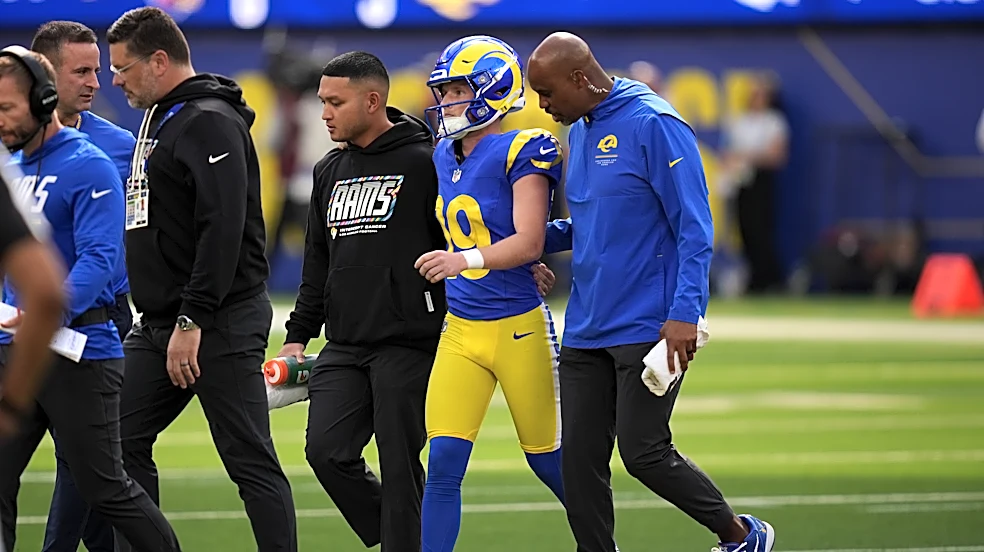
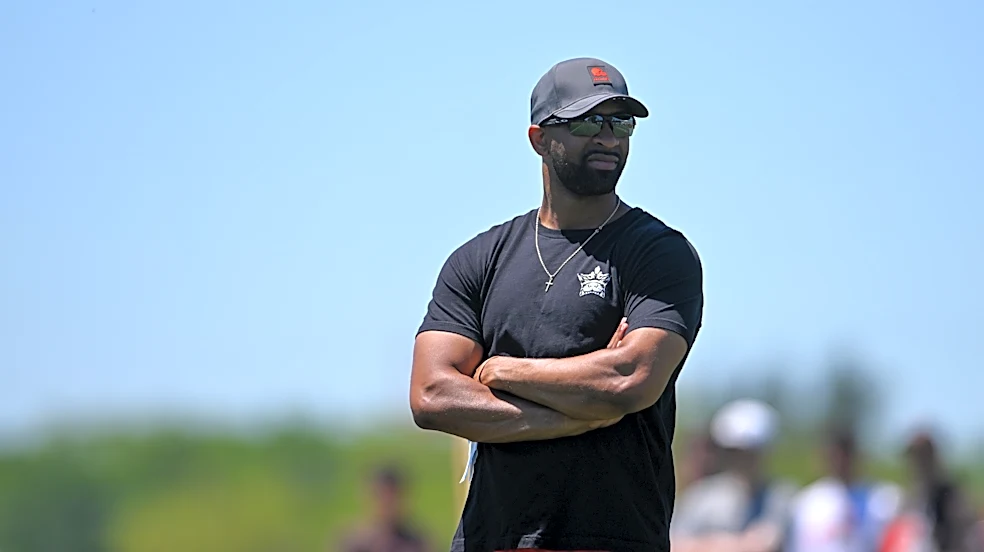
NFL teams' communications departments are typically headed by a Vice President or Senior Director of Communications, with specific titles varying by club. These leaders, such as Artis Twyman of the Los Angeles Rams and Doug Miller of the New Orleans Saints,
oversee media relations, game-day press operations, and player and coach interviews. Entry-level positions, like communications coordinator, often require two to three years of prior sports public relations experience. Daily tasks for these departments include producing media information, scheduling interviews, managing press operations on game days, coordinating media at practice, producing injury reports, and overseeing quote transcription. The workload significantly increases during events like the Super Bowl, where staff manage thousands of press members and extensive media obligations for players and coaches.
Why It's Important?
The high experience requirements for NFL communications jobs, even at entry-level, underscore the demanding and specialized nature of sports public relations. This structure ensures that teams maintain consistent and professional communication with the media and public, which is crucial for brand management, player relations, and crisis communication. The extensive responsibilities highlight the strategic importance of these departments in shaping public perception and managing information flow in a high-stakes environment. For aspiring professionals, it signals a competitive landscape where practical experience in sports communications is paramount. The long tenure of many NFL communications leaders also indicates a career path that values deep institutional knowledge and established relationships within the league and media.
What's Next?
Individuals aspiring to NFL communications roles should focus on gaining practical experience in the specific tasks outlined in job listings, such as writing game notes, transcribing press conferences, and managing credentials for college or minor league teams. Job postings frequently ask for experience with tools like the NFL Online Media Guide and knowledge of football statistics and social media platforms. The demanding nature of the job, which often includes working every home game and traveling with the team, requires candidates to be prepared for a 365-day commitment. The continued evolution of media, including social media and analytics, suggests that future roles may increasingly require proficiency in digital communication strategies and data analysis.
Beyond the Headlines
The rigorous demands and high experience bar for NFL communications roles reflect a broader trend in professional sports where public relations has become a critical component of organizational success. Beyond managing media, these departments play a vital role in shaping narratives around players, coaches, and the team itself, influencing fan engagement and sponsor relationships. The need for seasoned professionals also highlights the potential for high-pressure situations, including crisis management, where effective communication can mitigate reputational damage. The career paths of NFL communications leaders, often starting as interns and progressing over decades, illustrate the value of loyalty, continuous learning, and deep immersion within the sports industry. This specialized field requires a unique blend of journalistic acumen, strategic thinking, and interpersonal skills.