







What's Happening?
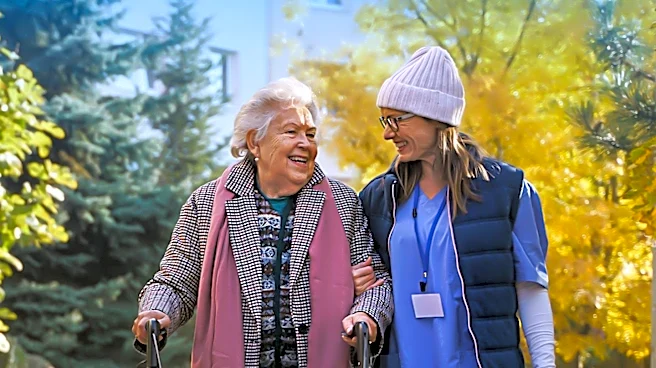
Tai chi walking, a modified form of walking incorporating tai chi principles, is gaining recognition as a beneficial exercise for seniors. This method emphasizes slow, controlled steps, deliberate weight shifting, and maintaining soft knees and tall posture.
Unlike everyday walking, each step in tai chi walking involves a moment of standing on one leg, transforming a common movement into a balance practice. It can be performed in various directions—forward, backward, or sideways—and requires minimal space, making it suitable for indoor environments like hallways or living rooms. Research on tai chi generally supports its effectiveness in improving balance and reducing the risk of falls in older adults. While tai chi walking specifically has been studied less, it utilizes the same slow weight shifting fundamental to broader tai chi programs. The U.S. National Center for Complementary and Integrative Health notes that tai chi can help prevent falls, and a 2023 meta-analysis indicated a significant reduction in fall risk among older adults who practice tai chi regularly.
Why It's Important?
The increasing adoption of tai chi walking among seniors is significant due to its potential to address critical health concerns in the aging population, particularly balance issues and fall prevention. Falls are a leading cause of injury and disability among older adults, often leading to reduced mobility, loss of independence, and increased healthcare costs. By offering a gentle, low-impact exercise that can be performed at home without special equipment, tai chi walking provides an accessible solution for seniors to maintain physical activity and improve their stability. This can lead to a better quality of life, reduced fear of falling, and potentially lower healthcare expenditures associated with fall-related injuries. Furthermore, its joint-friendly nature makes it suitable for individuals with conditions like knee osteoarthritis, improving walking function and posture control. The emphasis on mindful movement also contributes to overall body awareness, which is crucial for maintaining physical autonomy as people age.
What's Next?
As awareness of tai chi walking's benefits grows, it is likely that more structured programs and resources will become available for seniors. This could include increased offerings in community centers, senior living facilities, and online platforms providing guided routines. Healthcare providers may also begin to recommend tai chi walking as a preventive measure or a rehabilitative exercise for patients at risk of falls or those recovering from injuries. Further research specifically on tai chi walking could provide more detailed insights into its efficacy and optimal practice guidelines, potentially leading to its broader integration into public health initiatives aimed at promoting active aging. The development of accessible instructional materials, such as video tutorials and step-by-step guides, will also be crucial in enabling more seniors to adopt this beneficial practice safely and effectively.
Beyond the Headlines
Beyond its immediate physical benefits, tai chi walking embodies a broader shift towards holistic approaches to senior health and wellness. It highlights the value of mindful movement and the integration of ancient practices into modern health regimens. The emphasis on slow, deliberate movements encourages a deeper connection between mind and body, fostering not just physical balance but also mental clarity and stress reduction. This practice challenges the conventional view of exercise as solely high-intensity activity, demonstrating that gentle, consistent movement can yield substantial health improvements. Culturally, it promotes self-care and proactive health management among older adults, empowering them to take an active role in their well-being. The accessibility of tai chi walking also addresses health equity concerns, as it requires minimal resources, making it available to a wider demographic regardless of socioeconomic status or access to specialized fitness facilities.