


What's Happening?
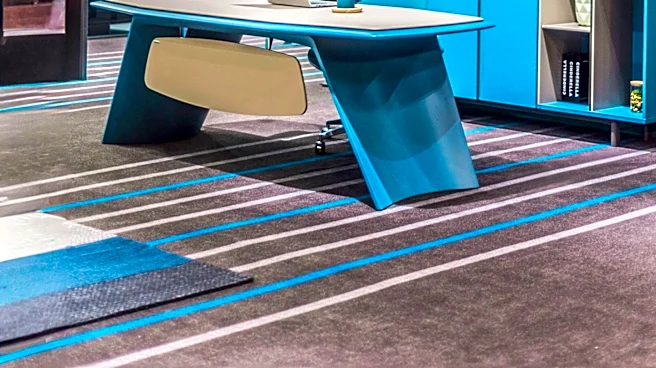
Mara, a furniture brand, is showcasing a new ecosystem of flexible office furniture at Orgatec 2026, a trade fair dedicated to workplace design. This initiative aims to cater to the changing demands of dynamic, remote-friendly workspaces. The brand is presenting
several new collections and evolutions of existing lines. Key introductions include an expansion of the Aera collection, designed by Marcello Ziliani, which now features a writing tablet for conference versions and a new swivel version with a five-star base and casters for collaborative spaces. The Otto collection of height-adjustable tables, designed by Christophe Pillet, is also expanding with new fixed-height options. Additionally, Mara is reintroducing Aera Metal, an all-metal version of its classic Aera line, designed for both indoor and outdoor use, leveraging the brand's sixty years of metalworking experience. The Elle collection, designed by Ferruccio Laviani, is evolving into a multifunctional storage and architectural solution with Elle Boxes and Elle Wardrobe. These developments reflect a broader trend in workplace design, adapting to digitalization, remote work, and the rise of digital nomads, which have reshaped traditional office environments.
Why It's Important?
The unveiling of Mara's new flexible office furniture at Orgatec 2026 is significant for U.S. businesses and the broader economy as it directly addresses the ongoing transformation of the American workplace. With the increasing prevalence of remote and hybrid work models, companies are seeking furniture solutions that offer versatility, adaptability, and durability. Mara's focus on flexible and modular designs, such as the Aera collection's new configurations and the Elle collection's architectural solutions, can help U.S. companies optimize their office spaces to support diverse work styles and foster collaboration. This shift impacts commercial real estate, office furniture manufacturing, and interior design industries, as demand moves away from traditional, rigid office setups towards more agile and multi-functional environments. Businesses that adopt these flexible solutions stand to gain from improved employee well-being, enhanced productivity, and more efficient use of space, while traditional furniture manufacturers may need to innovate to remain competitive. The emphasis on durable and recyclable materials also aligns with growing corporate sustainability goals, influencing procurement decisions across various sectors.
What's Next?
Following its presentation at Orgatec 2026, Mara will continue to showcase its innovations at the 'DESIGNING IN-BETWEEN' installation from November 19 to December 9, 2026, at the Gabriel showroom in Milan. This installation will immerse visitors in contemporary living across various settings, including office, meeting, lounge & hospitality, and contract & outdoor spaces, featuring the latest products from Orgatec. The brand is also participating in the Innovation Award Architecture+ Office 2026 installation with its Typo Lounge Chair & Ottoman and furnishing shared seating areas in Hall 6.1 with its Aera chairs, Typo tables, Follow Break, and Typo Lounge Chair & Ottoman. These continued exhibitions and participations suggest Mara's strategy to further integrate its flexible furniture solutions into diverse environments and gain broader industry recognition. The market will likely observe how these new designs are adopted by U.S. businesses and how they influence future office design trends and procurement decisions in the coming years.
Beyond the Headlines
The evolution of office furniture, as exemplified by Mara's offerings at Orgatec 2026, reflects a deeper societal shift in the understanding of work and the workplace. The move towards flexible, adaptable, and durable furniture is not merely about aesthetics or comfort; it signifies a fundamental re-evaluation of how physical spaces can support dynamic work relationships, flatter organizational structures, and the integration of remote teams. This trend has ethical implications regarding employee well-being, as ergonomic and versatile furniture can contribute to healthier work environments. Legally, it may influence building codes and accessibility standards for modern offices. Culturally, it challenges the traditional notion of a fixed, individual workspace, promoting a more fluid and collaborative approach to office life. The emphasis on recyclable materials also highlights a growing consciousness about environmental responsibility within the manufacturing sector, pushing for more sustainable practices across the supply chain. This long-term shift suggests that offices will increasingly become hubs for collaboration and social interaction, rather than just places for individual task completion, impacting urban planning and the design of commercial spaces.