





What's Happening?
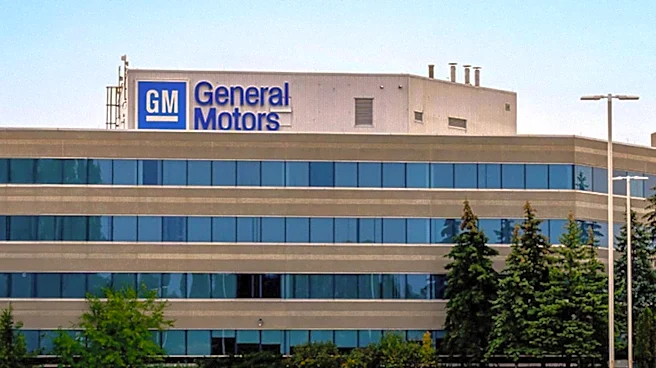
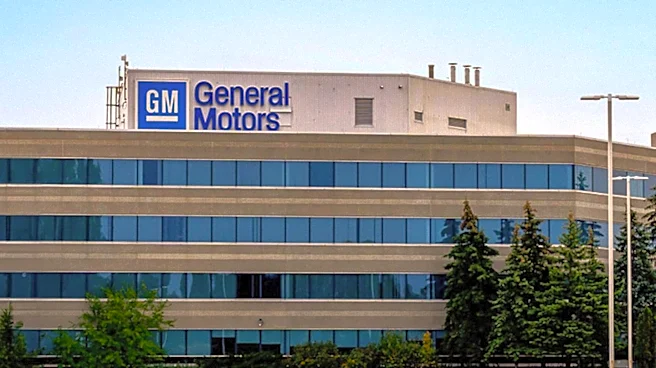
General Motors is actively recruiting a Senior Designer for Engine and Propulsion systems at its Warren Tech Center in Michigan. This hybrid role requires the selected candidate to work on-site at least three days per week. The position is crucial for developing
mathematical design solutions that meet complex system and subsystem requirements within GM's product teams. The Senior Designer will apply advanced design and engineering expertise, creativity, and independent judgment to resolve issues, leading cross-functional teams with minimal direction. Key responsibilities include mentoring team members on GM CAD tools and data management systems, developing and refining criteria and typical sections, and applying design standards and best practices. The role also involves incorporating manufacturability and integration considerations into designs, leading design reviews, and supporting CAE studies to improve designs. This initiative underscores GM's commitment to innovation in vehicle design and propulsion systems, aiming to enhance safety, intelligence, and connectivity in future transportation.
Why It's Important?
This hiring initiative by General Motors is significant for several reasons. Firstly, it highlights the ongoing demand for specialized engineering talent within the automotive industry, particularly in critical areas like engine and propulsion systems, which are central to vehicle performance and efficiency. The focus on advanced design and engineering expertise indicates GM's drive to maintain a competitive edge in a rapidly evolving market, characterized by advancements in electric vehicles and autonomous technologies. By investing in top-tier design talent, GM aims to accelerate the development of next-generation hardware, battery systems, and intuitive vehicle designs. This role's emphasis on leadership and mentorship also suggests a strategic effort to cultivate internal expertise and ensure knowledge transfer within the company, strengthening its long-term innovation capabilities. The successful candidate will directly contribute to shaping the future of GM's product lineup, impacting the company's market position and its ability to meet consumer demands for safer, smarter, and more connected vehicles.
What's Next?
General Motors will proceed with the recruitment and selection process for the Senior Designer position, aiming to fill the role with a highly qualified individual who can immediately contribute to its engine and propulsion design teams. Once onboard, the new Senior Designer will be tasked with leading critical design projects, mentoring junior staff, and collaborating with various engineering disciplines to integrate advanced solutions into GM's vehicle development pipeline. This will likely involve working on upcoming vehicle models, focusing on innovations that align with GM's vision of 'Zero Crashes, Zero Emissions, and Zero Congestion.' The company will continue to emphasize human-centered design processes to create vehicles that offer both aesthetic appeal and functional excellence. Future developments may include further investments in design software, simulation tools, and training programs to support its design and engineering workforce, ensuring they remain at the forefront of automotive innovation.
Beyond the Headlines
The recruitment for a Senior Designer in engine and propulsion systems at General Motors reflects broader trends within the automotive sector. It underscores the industry's continuous push for innovation in powertrain technologies, even as the transition to electric vehicles gains momentum. While electric propulsion is a key focus, traditional engine design expertise remains vital for hybrid vehicles and for optimizing the efficiency of internal combustion engines in markets where they continue to be prevalent. This role also highlights the increasing complexity of vehicle design, requiring professionals who can integrate diverse technical requirements—from mechanical engineering to software and data management—into a cohesive product. The emphasis on 'human-centered design' suggests a strategic shift towards creating vehicles that are not only technologically advanced but also intuitively user-friendly and emotionally resonant, indicating a deeper understanding of consumer needs and experiences in the future of mobility.